



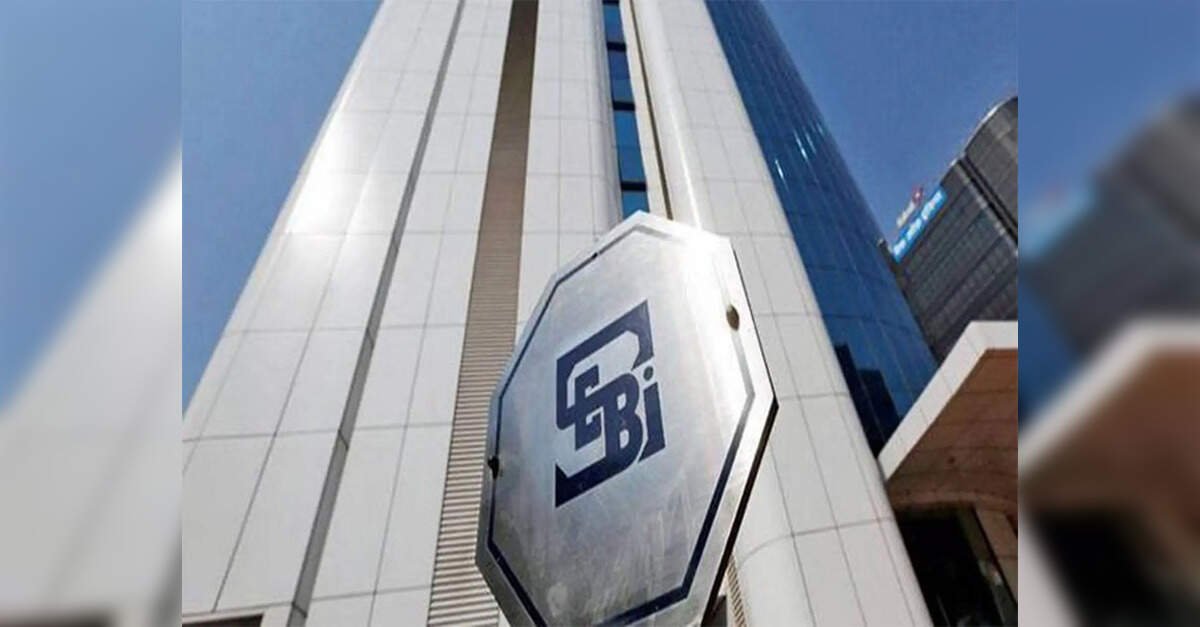
Mumbai (Maharashtra) [India], May 22 (ANI): Aiming to overhaul the price discovery mechanism for Initial Public Offerings (IPOs) and re-listed companies during their Pre-open Call Auction Sessions, the Securities and Exchange Board of India (SEBI) has released a consultation paper on Thursday.
The market regulator’s proposal addresses growing concerns that current trading frameworks–specifically dummy price bands and base price setups–are distorting initial trading values.
SEBI said in its consultation paper that “representations have been received by SEBI stating that the dummy price band and the mechanism for base price in case of re-listed scrips are leading to situations of artificially suppressed price discovery”.
This suppression has historically triggered immediate, persistent buying pressure in the normal trading market, causing affected shares to repeatedly hit upper circuits and enter restrictive surveillance measures.
A primary focus of the consultation paper is the re-evaluation of base price calculation for re-listed scrips.
Under the current system, if a company’s trading suspension is revoked after more than a year, its base price often defaults to a meagre Rs 10 because it relies on the lower of the face value or the older book value.
The apex market regulator intends to substitute this with a more realistic, market-reflective approach.
The new proposal dictates that if a revocation occurs within six months of suspension, the latest closing price on the stock exchange will be used.
If the suspension exceeds six months, or if historical prices are unavailable, the base price will be determined using fresh valuation certificates–not older than three months–issued by two independent chartered accountants or valuation agencies.
Furthermore, SEBI plans to introduce automation and relax restrictions regarding the flexible execution of dummy price bands. Currently, no adjustments to price bands are permitted within the final minutes leading up to a system-driven random market session closure.
The proposed changes will allow automated price band extensions of 10 per cent to function dynamically even during this critical random closure window, preventing system freezes.
Additionally, to validate true market liquidity, a call auction session will only be deemed successful if it registers orders from at least five unique, PAN-verified buyers and sellers.
The public and market stakeholders have been invited to submit their comments on these structural changes by June 11. (ANI)


