



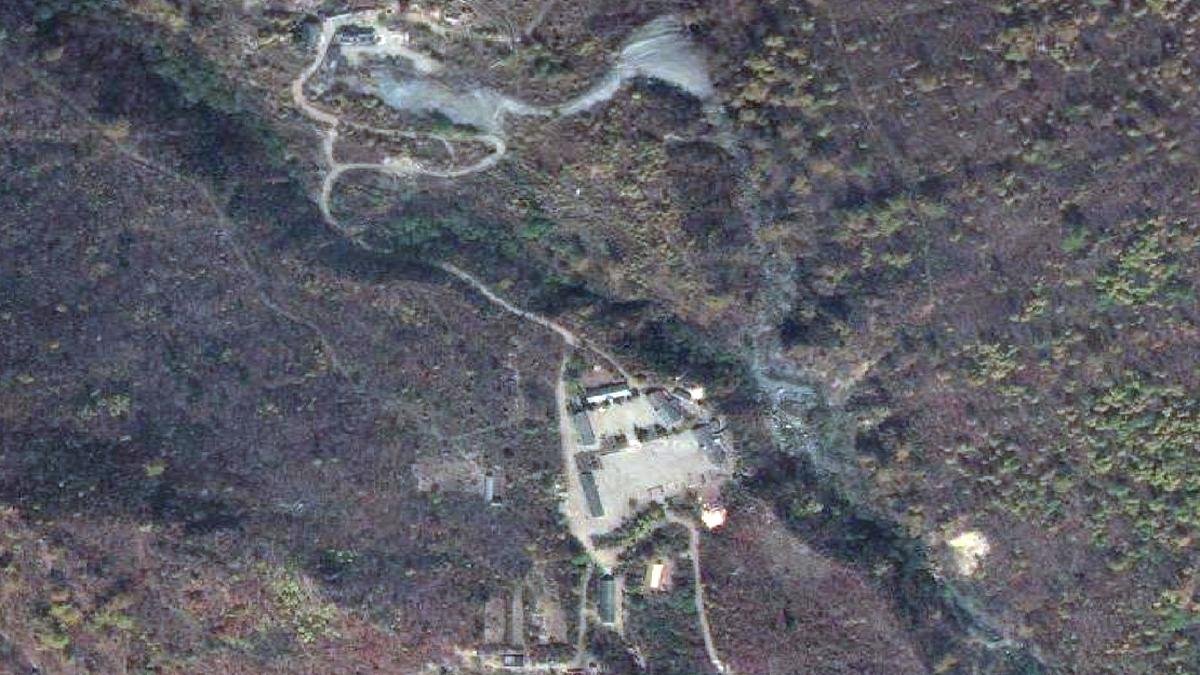
A U.S. Geological Survey poster showing the Punggye-ri nuclear test site in North Korea in 2013.
| Photo Credit: USGS
North Korea’s nuclear tests reawakened sleeping faults
While underground nuclear explosions usually set off brief aftershocks fading in weeks, North Korea’s tests at Mt. Mantap did the opposite, causing earthquake activity intensifying over years after testing ceased, new data show. Analysing 17 years of regional seismic records, scientists spotted 1,400 small quakes around the Punggye-ri test site. After the final, largest blast in 2017, quake rates and energy release grew, with tremors aligning along two previously dormant faults, reactivating them over time.
Regular exercise helps: molecular study shows how in detail
By comparing the blood profiles of habitually active and sedentary adults, scientists found regular exercise enhanced the body’s ability to break down fats for energy. Active adults’ blood also carried more antioxidant metabolites that shielded cells from oxidative stress. Exercise induced epigenetic reprogramming also primed immune cells for defense, with CD8+ T cells and natural killer cells being preactivated to destroy abnormal cells. Overall, regular physical activity strengthened immune surveillance and suppressed chronic inflammatory pathways.
Amoeba became brain-eater as it became a better hunter
Scientists have figured out how Naegleria fowleri amoebae go from the nose to the brain, with N. gruberi as a proxy. The team found they actively seek out and enter tight spaces, and once inside, they use a technique allowing them to travel in a straight line over millimeter distances. The team proposed these traits evolved to hunt bacteria in pond silt. In a human host, the same behaviour inadvertently guided the amoebae swiftly into the brain.
Published – September 21, 2026 08:00 am IST
