






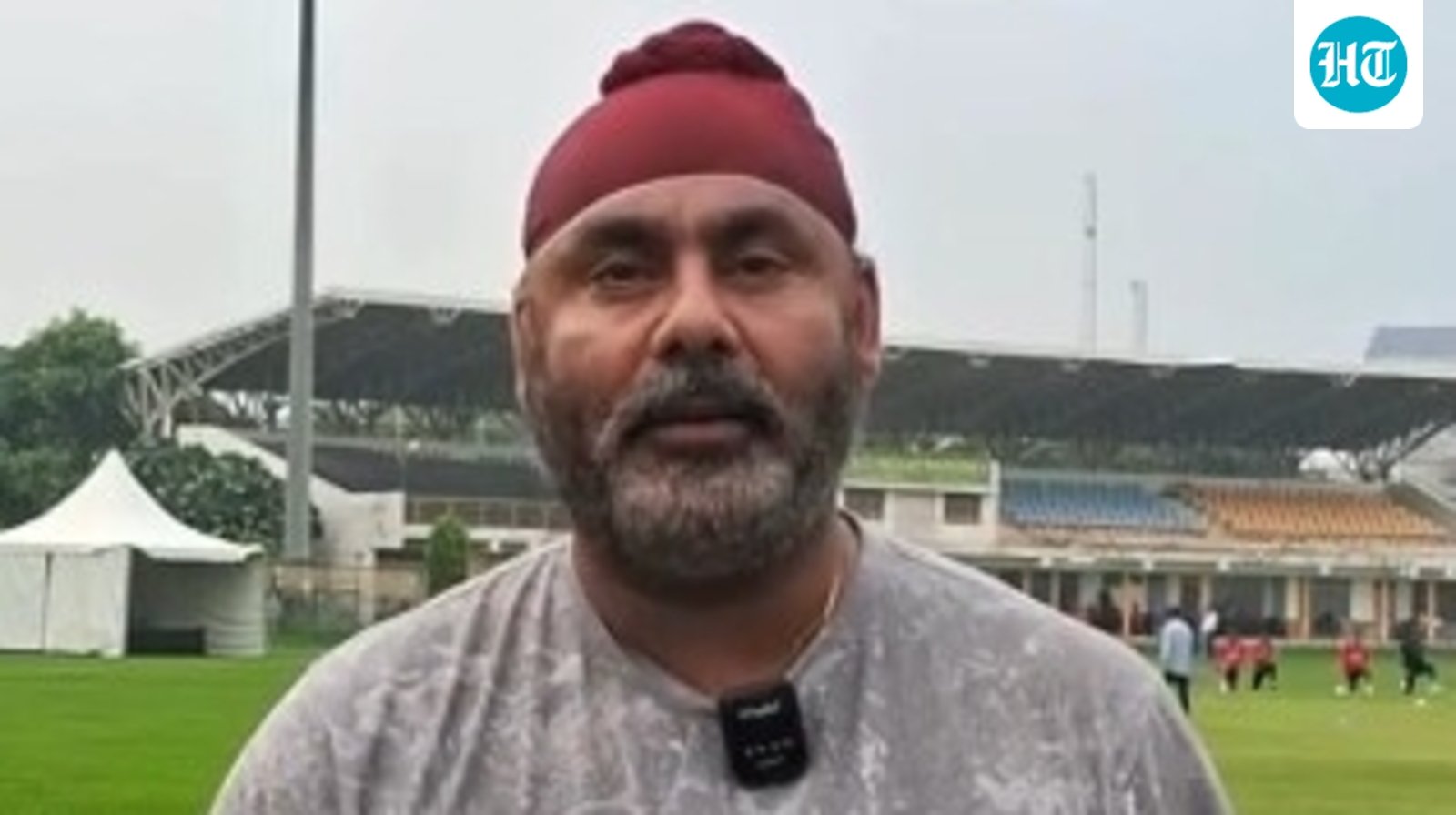
Delhi & District Cricket Association (DDCA) Cricket Advisory Committee chairman Sarandeep Singh has defended the process by which Manu Nayyar and Varun Sood were appointed to key roles, after the association’s joint secretary, Amit Grover, raised questions about their eligibility. Nayyar was named in the three-member selection committee, while Sood was appointed assistant coach of the Under-19 side.
In an email to the CAC, Grover raised questions over the eligibility of both appointments, although he did not specify why he felt the two did not meet the prescribed criteria. He also questioned the logic behind retaining two members of the selection committee — K.P. Bhaskar and Nayyar — following Delhi’s poor showing in the last domestic season. Praveen Gupta replaced Yashpal Singh as the third member of the panel.
Sarandeep has now responded to Grover, firmly backing the CAC’s decision-making process. Hindustan Times has accessed a copy of the email, dated September 26, 2026.
The former India cricketer said the CAC had conducted the entire exercise “independently, objectively and with the utmost fairness”, adding that it had considered the candidates’ qualifications, experience, credibility and suitability.
“The Committee has considered the relevant qualifications, experience, credibility and suitability of the individuals under consideration, keeping the interests of Delhi cricket as the sole consideration,” Sarandeep wrote.
He specifically defended Nayyar and Sood, describing them as “senior and accomplished persons” with established credibility in the cricketing fraternity. He also said the CAC was prepared to consider any specific and substantiated objection relating to eligibility or prescribed criteria.
“While we welcome genuine inputs and are always prepared to consider any specific, substantiated issue concerning eligibility or prescribed criteria,” he wrote.
The CAC chairman also pushed back against what he perceived as an attempt to influence the committee’s decisions, noting that communications seeking reconsideration or cautioning the CAC about candidates during the process could be viewed as interference with an independent selection process.
Sarandeep further stressed that the CAC had a mandate to exercise its own judgment on cricketing appointments.
He pointed to the experience of its members across playing, coaching, administration and other professional roles, saying they were well placed to assess cricketing credentials and suitability.
The response also drew a distinction between the CAC’s role and that of elected DDCA office-bearers.
“The CAC would therefore be expected to exercise its professional and independent judgment rather than be guided by the views of elected office-bearers who may have a different institutional role and mandate,” Sarandeep wrote.
Sarandeep’s email did not specifically address Grover’s concerns over the retention of Bhaskar and Nayyar. He reiterated, however, that the CAC had acted according to its mandate and would continue to operate independently.
“The CAC has no personal or other interest in favour of any individual,” he wrote, adding that its objective was to ensure deserving and credible people were given responsibilities in Delhi cricket.


