



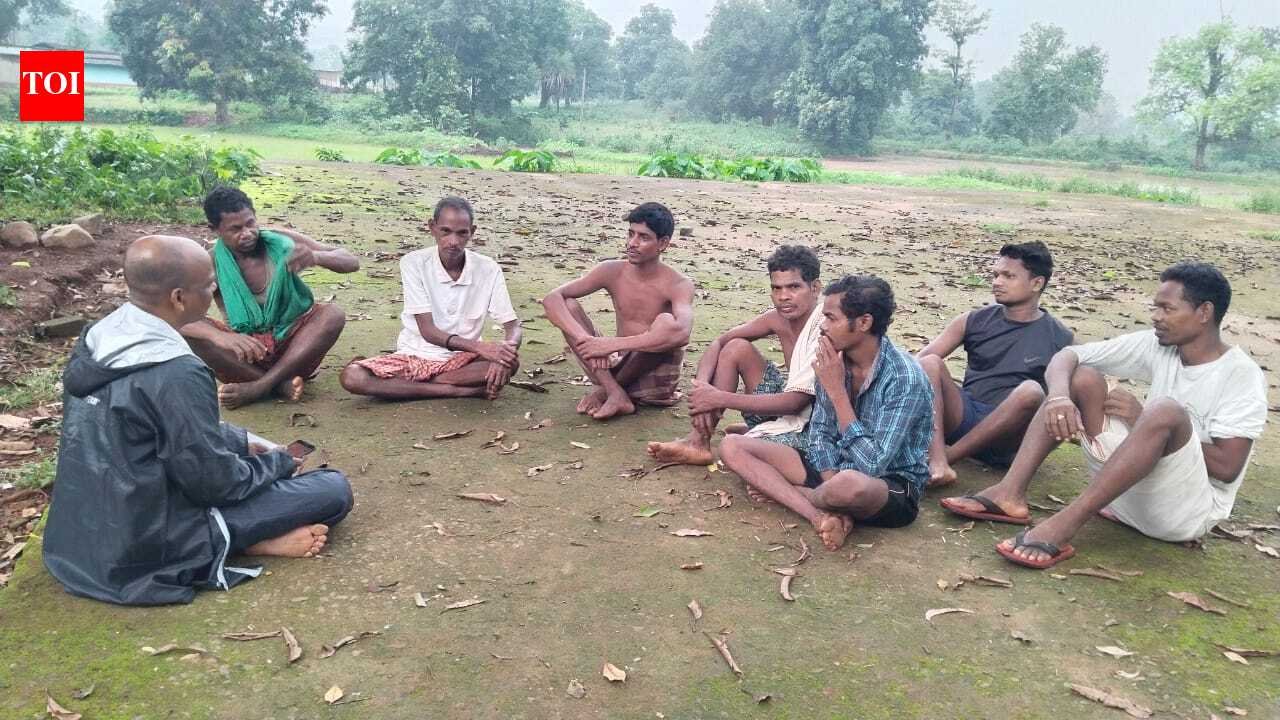
Sambalpur: Traditional medicinal oils used by tribal communities in western Odisha’s forests may soon come under the lens of modern science, with Sambalpur University launching a study to document, preserve and scientifically validate their medicinal properties.The university’s Regional Development and Tribal Studies Centre of Excellence, in collaboration with the department of anthropology, is researching medicinal oils traditionally used by the Paudi Bhuyan, Kisan and Munda communities in the Phuljhar region along the Sundargarh-Deogarh border.Arun Kumar Acharya, professor of anthropology and director of the centre, is leading the project. According to Acharya, the study aims to document indigenous knowledge systems, preserve traditional methods of preparing medicinal oils and assess their therapeutic properties through scientific inquiry. “We are studying varieties of oils prepared, ingredients used, methods of preparation and ailments for which they are traditionally prescribed. We also plan to collaborate with the university’s biotechnology department for advanced scientific analysis,” he said.A research team spent nearly a month in Phuljhar area of Bonai subdivision in Sundargarh district, interacting with tribal communities and documenting traditional healthcare practices. Researchers said tribal communities in western Odisha have long relied on medicinal oils, herbs and other natural products to treat a range of ailments, including skin disorders, hair loss, epilepsy and stomach ailments.During the field study, the team also encountered local claims that some oils are used for serious illnesses such as cancer and tuberculosis, besides being believed to enhance breast milk production and treat other conditions. However, researchers stressed that these claims remain unverified and will be scientifically examined as part of the study.Research scholar Archana Panda said the team visited several Paudi Bhuyan-dominated villages and collected samples of traditional oils and honey for further analysis. Among the samples gathered in the first phase were oils locally associated with tiger fat, pig fat, karanja, japangi, tol, kusum and neem, among others.“These oils serve different purposes. Some are consumed, some are applied for pain relief, while others are used before entering forests as a traditional safeguard against insects and snakes,” Panda said.Another researcher, Payal Naik, said the study also seeks to preserve traditional healthcare practices that are gradually fading amid rapid modernisation. “We conducted fieldwork for nearly a month in Phuljhar and neighbouring villages along the Deogarh border and collected several varieties of oils. The research will continue in the coming months,” she said.Research assistant Banshiraj Mahatto said the team is examining where the oils are produced, how they are prepared and whether their medicinal claims have a scientific basis.“If these traditional practices can be scientifically validated, they could contribute to healthcare research. Equally important is the conservation of medicinal plants used in preparing these oils,” he said. The researchers said the findings will be compiled into a comprehensive report aimed at preserving tribal knowledge systems and creating a valuable reference for future generations.
