



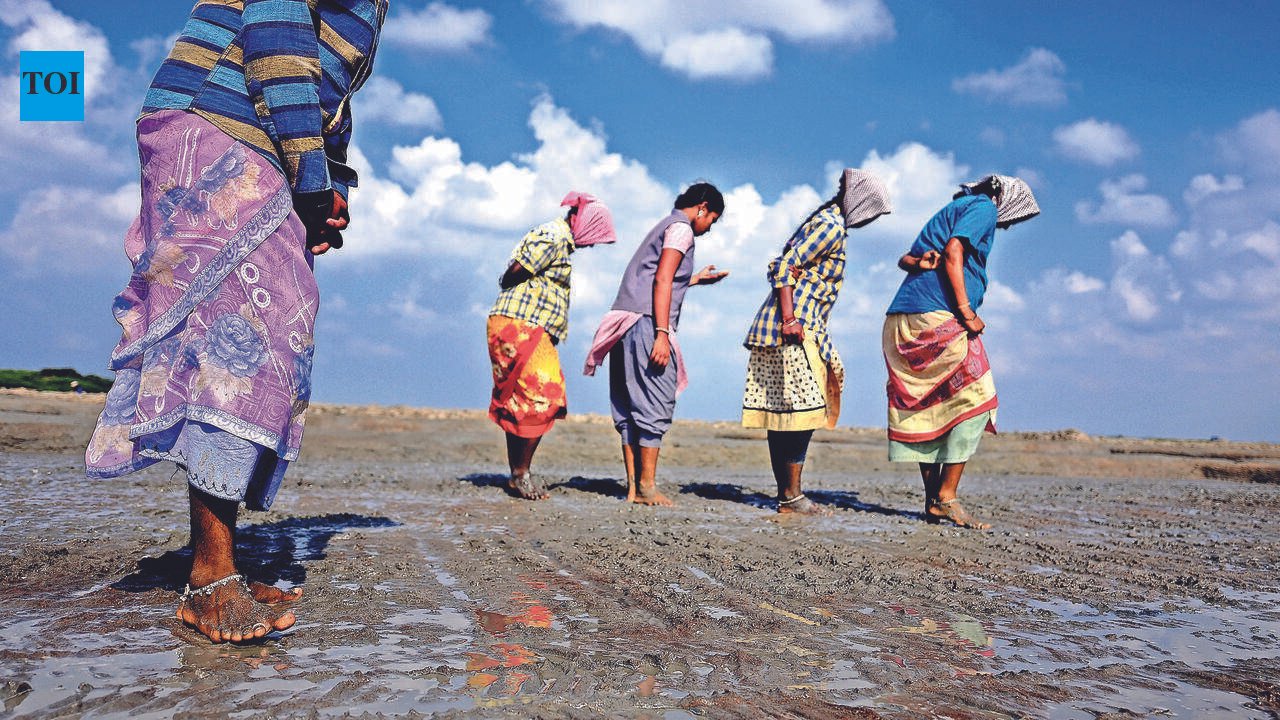
Pregnant women in rural Tamil Nadu who are exposed to excessive heat face a higher risk of miscarriage and other adverse pregnancy outcomes than women in urban areas, says a recent study published in BMC Pregnancy and Childbirth, which followed 680 pregnant women in six districts of Tamil Nadu between 2018 and 2021.Many studied worked in agriculture, salt pans and brick kilns, often with limited access to shade, drinking water or cooled spaces. The study also found that rural women were more likely to report heat-related symptoms, dehydration and signs that their bodies were struggling to cope with high temperatures during pregnancy.Compared with urban women, rural women exposed to heat above recommended limits were nearly twice as likely to have adverse pregnancy outcomes and more than three times as likely to have adverse birth outcomes. These include miscarriage, premature birth, stillbirth, low birth weight, restricted fetal growth and birth defects.Rural women exposed to high heat during the first trimester had four times the risk of miscarriage compared with urban women, although researchers say the estimate had a wide range of uncertainty.“The findings underscore the need for targeted interventions to protect pregnant women from heat exposure, especially in rural and occupational settings,” says author and scientist Rekha Shanmugam from the department of environmental health engineering at Sri Ramachandra Institute of Higher Education and Research.The analysis accounted for differences in age, education, income, type of work, weight and anaemia.Researchers measured heat levels at homes and workplaces using wet-bulb globe temperature, which accounts for temperature, humidity, sunlight and wind. At least 55% of rural women were exposed to heat above recommended limits, compared with 45% of urban women.Rural participants were also more likely to do physically demanding work. Nearly 48% had heavy workloads, compared with 36% of urban participants.About 84% of rural women reported symptoms such as thirst, sweating, dizziness, headaches and fatigue, compared with 71% of urban women. Three in 10 rural participants showed signs of physiological heat strain, including raised body temperature or dehydration, compared with one in five urban women.“Heat can add to the physical stress of pregnancy, especially for women who work outdoors or live in poorly ventilated homes. Limited access to health care, safe water, rest and cooling may further increase the risks for rural women,” says the study’s co-author professor Vidhya Venugopal.She says the observational study could not establish that heat directly caused the pregnancy outcomes. “Nutrition, pollution and workplace conditions may also have contributed, but the findings strengthened the case for protecting pregnant women during hot weather.”The authors have called for heat-risk screening during antenatal visits, improved access to water and shade, rest breaks for pregnant workers and stronger public-health planning for extreme heat.


