






Over 12 years in office,The Modi-led BJP has rolled back several decisions on previous occasions, only to return better prepared and stronger.
The first major example came in 2015, when the government proposed amendments to the Land Acquisition Act to ease norms for acquiring land for infrastructure projects. Facing stiff opposition from farmers, political parties and social activists, the government withdrew the amendments. In March 2018, the SC diluted certain provisions of the SC/ST (Prevention of Atrocities) Act. The changes triggered protests from the SC/ST community, NDA allies and then Union minister Ram Vilas Paswan. Sensing the potential political fallout, the government first brought an ordinance and later restored the original provisions through Parliament. The move, however, angered sections of the upper-caste community, and BJP suffered defeats in the assembly elections in MP, Rajasthan and Chhattisgarh in November 2018.
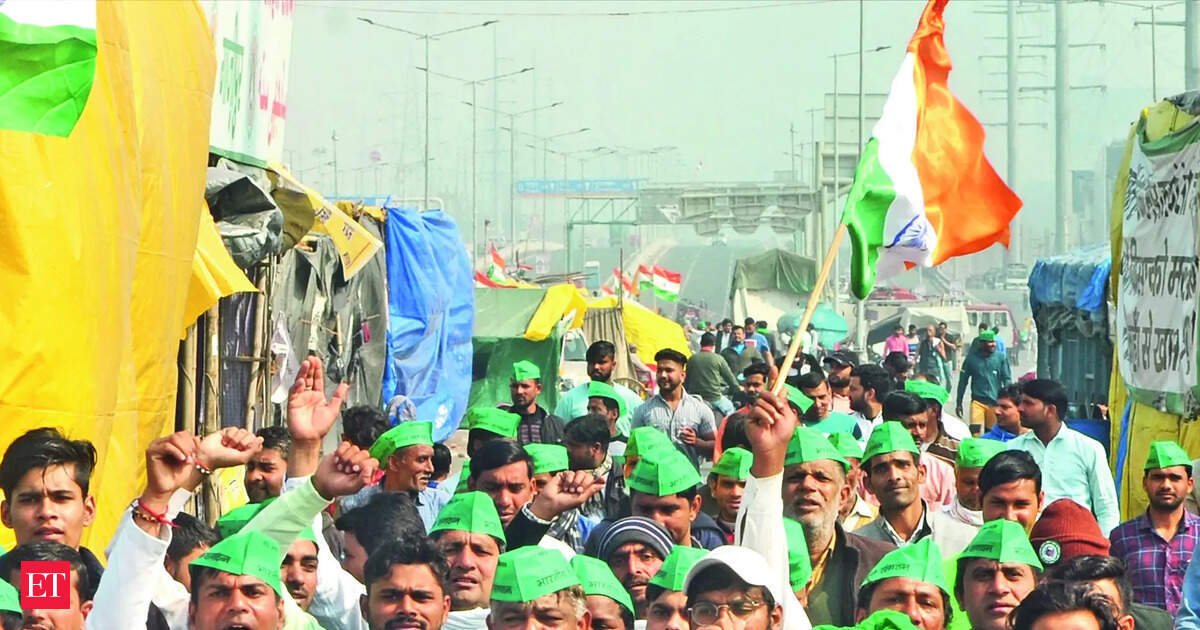
The government’s next major retreat came over the three farm laws introduced in 2020. The legislation triggered widespread protests, with farmers from Punjab, Haryana and Uttar Pradesh camping at Delhi’s borders for nearly a year. In November 2021, PM Narendra Modi announced the repeal of the three farm laws, bringing the protests to an end. Senior BJP leaders then moved quickly to contain the political fallout, particularly in western Uttar Pradesh and Uttarakhand. The party retained power in both states, though it remained a marginal player in Punjab after parting ways with the Shiromani Akali Dal, winning just two seats.
In August 2024, the government announced lateral recruitment for Joint Secretaries and Directors. The proposal was opposed by NDA ally Chirag Paswan. The government rolled back the move without delay.
Pradhan’s resignation fits into this pattern of political recalibration. While such reversals are often portrayed as setbacks, BJP has shown that tactical rollbacks are not necessarily defeats. Instead, they have served as opportunities for the party to recalibrate its political strategy in response to changing public sentiment and electoral realities.


