



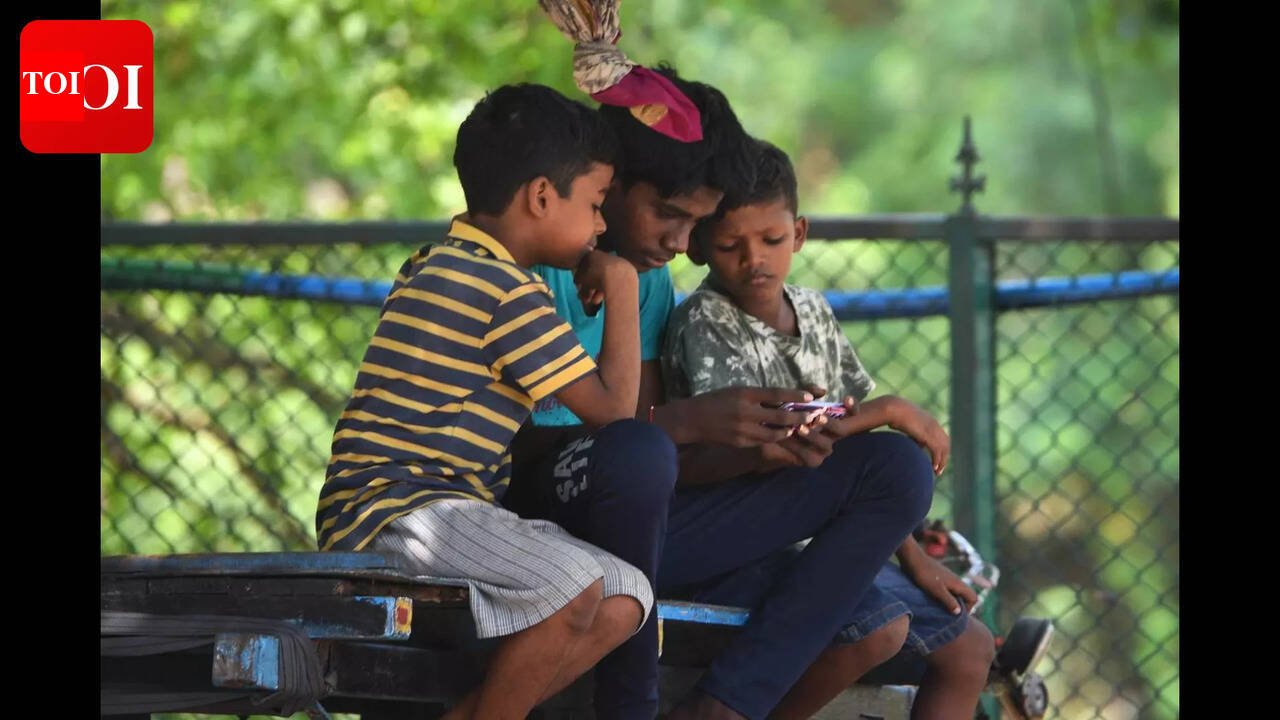
Ranchi: Rising screen time is leading to an increase in eye problems among children, with even four- to five-year-olds now requiring glasses. Eye specialists in Ranchi warn that if the trend continues unchecked, India could become a “myopic hub” in the next 15–20 years.According to Dr Sunil Kumar, head of the department, Regional Institute of Ophthalmology, Rims, nearly 30 out of every 100 children are developing myopia (minus eye power), largely due to excessive screen exposure.“Physical activity, outdoor play, and at least an hour of sunlight exposure are essential for children. A balanced diet including leafy vegetables and yellow fruits such as papaya and mango is also important,” Dr Kumar said on Tuesday.He emphasised that junk food lacks essential nutrients and advised parents to encourage healthy eating habits alongside limiting screen time. “Children who insist on watching mobile phones while eating should not be encouraged. They may skip a meal initially, but will eventually eat when hungry. Parents need to be firm to break this habit,” he added.Dr Kumar also recommended pre-school eye check-ups for children, followed by annual examinations.Echoing similar concerns, Dr Preetish Pronoy, an eye specialist at Sadar Hospital, said screen dependency has increased significantly since the Covid-19 period.“Even though the pandemic is over, children remain hooked to screens — mobiles, computers and laptops. This is contributing to a rise in myopia. Recently, about 10% of my patients were found to be myopic,” he said.Dr Pronoy added that prolonged screen exposure can cause redness, dryness, reduced concentration and mental fatigue. “Children are also missing out on physical activity by staying indoors,” he said. He recommended counselling for both children and parents to reduce screen time. For students and professionals who require prolonged screen use, he advised taking breaks every 20 minutes to rest the eyes and reduce muscle strain.Experts warn that without timely intervention, increasing screen dependence could significantly worsen eye health outcomes in the coming years.


