



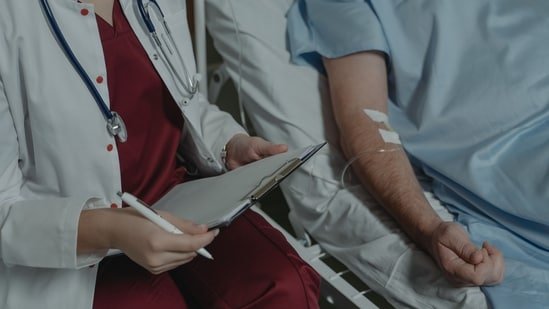
Every few minutes, another family in India hears the words no one is prepared for: “You have cancer.” While that conversation has become more common, the bigger question is whether our healthcare system is prepared for what comes next. Cancer is no longer a future public health challenge. It is one of India’s defining health care realities.
According to the Indian Council of Medical Research (ICMR), India is seeing approximately 15 lakh new cancer cases every year. As the population gets older, life expectancy continues to rise, and more people develop lifestyle-based risk factors, the incidence of new cancer cases is going to increase. One out of every nine people in India is expected to develop cancer at some point during their lifetime.
The real burden of cancer extends far beyond these numbers. Every new diagnosis triggers a chain reaction. It demands specialists, operating theatres, pathology laboratories, advanced imaging, chemotherapy units, radiotherapy facilities, intensive care beds, rehabilitation services, counsellors, nurses, nutritionists, and long-term follow-up. Cancer is perhaps one of the few diseases that tests every part of a health care system simultaneously.
This is where India’s greatest challenge lies. Our cancer burden is rising faster than our capacity to deliver specialised care.
Recent estimates suggest that India has only a few thousand oncology specialists serving a population of over 1.4 billion. As the number of patients grows, shortages of surgical oncologists, medical oncologists, radiation oncologists, oncology nurses, pathologists, radiologists, and allied healthcare professionals are becoming increasingly apparent.
The consequence is visible every day.
Patients often travel hundreds of kilometres to reach tertiary cancer centres. Waiting times increase. Many cancers are diagnosed at advanced stages, when treatment becomes more complex, more expensive, and less effective. Although modern oncology has made remarkable advances from robotic surgery and molecular diagnostics to immunotherapy and precision medicine the benefits of these innovations remain unevenly distributed.
The paradox is striking. India possesses world-class cancer expertise, yet access to that expertise remains deeply unequal.
The next decade must, therefore, focus not only on building more hospitals but on building a stronger cancer ecosystem.
We need more trained specialists, greater investment in district-level cancer services, expanded screening programmes, robust pathology networks, multidisciplinary tumour boards, digital health platforms, and referral systems that connect patients to the right expertise without unnecessary delays.
Equally important is prevention.
Prevention of cancer is largely dependent on reducing preventable risk factors such as tobacco, obesity, alcohol, infectious diseases such as HPB and hepatitis B, and delays in screening. The success of reducing future cancer burden will depend equally on both public health interventions as well as new treatment modalities.
Technology will increasingly have an important role in this considering the advancements in work technology. The use of Artificial Intelligence can assist in imaging, pathology, and clinical decision support. Tele-oncology will close geographic gaps in health care. Digital tumour boards will connect specialists across cities. Robotics and minimally invasive surgery will allow for faster and greater quality of life following surgery.
However, technology alone cannot solve a workforce shortage. Healthcare is ultimately delivered by people – right from our mausi to the nurses to pathologist, to doctors.
Without investment in people, even the most advanced infrastructure will remain underutilised. The rising cancer burden should therefore be viewed not merely as an epidemiological trend but as a national capacity challenge.
How we respond today will determine whether millions of future patients receive timely diagnosis and expert treatment or face delays that cost lives.
India has demonstrated its ability to build large-scale public health programmes, from vaccination campaigns to digital health initiatives. Cancer now requires a similar national commitment.
The question before us is no longer whether cancer cases will increase. They almost certainly will.
The real question is whether our health care system will evolve quickly enough to meet them. The future of cancer care will not be measured only by the medicines we discover or the technologies we invent. It will be measured by whether every patient, regardless of geography or income, can access the right care at the right time. That is the challenge before us and it is one we cannot afford to delay.
(The views expressed are personal)
This article is authored by Dr Sanket Mehta, founder & lead surgical oncologist, SSO Cancer Hospital.


