



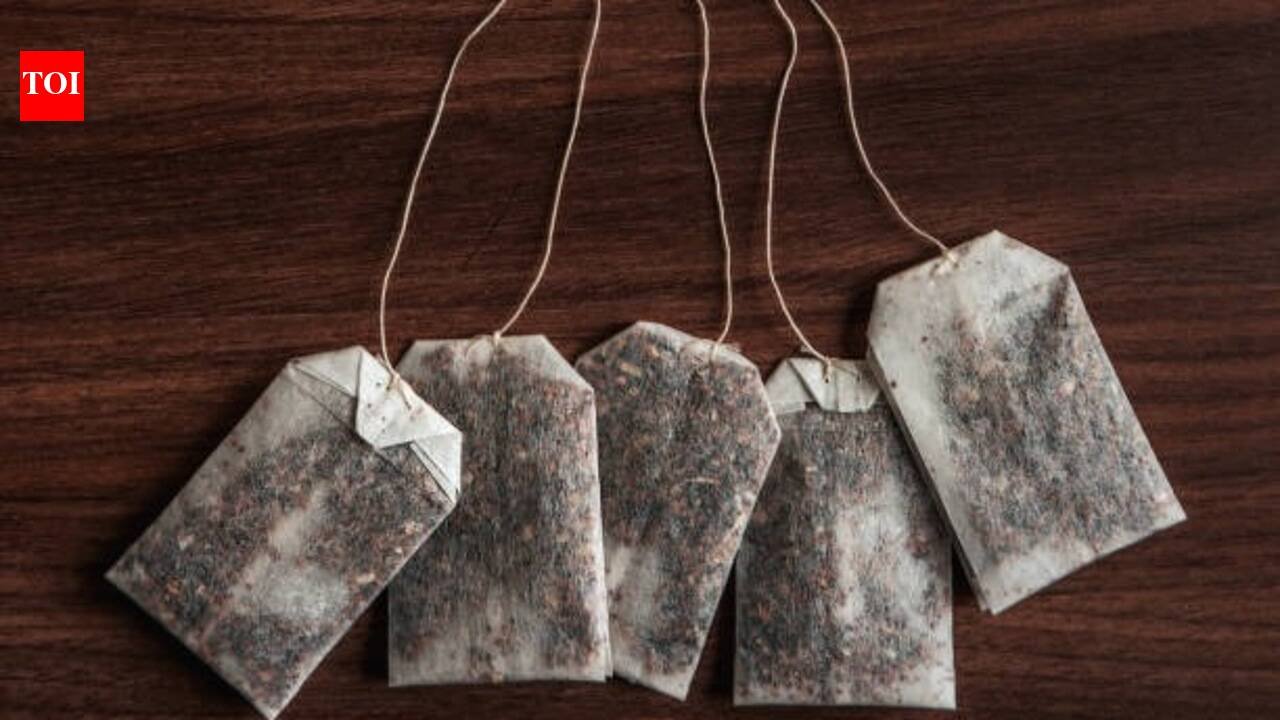
That used tea bag sitting in your sink after your morning cup isn’t quite done working yet. Most of us toss it without a second thought, but tea leaves are packed with tannins, antioxidants, and mild acids that make them surprisingly useful well beyond the cup, from the garden to the cleaning cupboard. It’s a small, no-cost habit that cuts down on daily waste while solving little household problems you probably didn’t think tea could fix. Here are seven practical ways to squeeze more use out of a tea bag before it finally goes in the bin.
Natural fertiliser for plants
Used tea leaves are rich in nitrogen, tannic acid, and other nutrients that plants genuinely benefit from, making them a simple, free addition to your gardening routine. Just tear open the bag and mix the damp leaves into the soil around potted plants, or scatter them directly into garden beds. It works especially well for acid-loving plants like roses and ferns. Over time, this small habit improves soil texture too, helping it retain moisture better during hot, dry spells.
Deodorising the fridge or shoes
Dried-out used tea bags are excellent at absorbing odours, working much like a natural, fragrance-free version of baking soda. Leave a few dried bags in the back corners of the fridge to neutralise lingering smells from strong foods, or tuck one into each shoe overnight to tackle odour after a long day. It’s a quiet, passive fix, no sprays, no chemicals, that just sits there doing its job until you swap it out for a fresh one.
Soothing tired, puffy eyes
This is probably the most well-known reuse trick, and for good reason. Chilled, used tea bags placed over closed eyes for 10 to 15 minutes can help reduce puffiness and that tired, heavy look, thanks to the mild astringent properties of tannins along with the cooling effect itself. Green tea and chamomile bags tend to work particularly well for this. It’s a simple, low-effort way to look a little more awake after a rough night’s sleep.
Streak-free glass and mirror cleaner
Tea’s natural tannic acid makes it an unexpectedly effective glass cleaner. Brew a strong cup, let it cool completely, and use a soft cloth dipped in the cooled tea to wipe down mirrors and windows, finishing with a dry cloth for a streak-free shine. It cuts through the light grime and fingerprints that build up on glass surfaces without leaving behind the chemical smell of standard glass cleaners, and it’s gentle enough for daily use.
Polishing wooden furniture
The same tannins that make tea useful for cleaning glass also work wonders on wood. Wipe down wooden furniture, floors, or cabinets with a cloth dampened in cooled, strongly brewed tea, and the natural pigments help restore a bit of shine while subtly masking small scratches and dull patches. It’s a good product for darker wood finishes, the tea color will blend in well and not look fake as some polishes do.
Cutting grease on dishes and pans
Tannic acid isn’t just good for polishing, it’s genuinely effective at breaking down grease too. Rubbing a used tea bag over particularly greasy pots and pans before washing helps loosen stubborn residue, making the actual scrubbing that follows noticeably easier. It works particularly well on cast iron and other pans where you want to avoid harsh, abrasive scrubbers that can strip a well-seasoned surface.
How to keep garden pests out
Spread dried tea leaves around the base of garden plants. This will help nourish the soil and create a mild barrier that many common pests will avoid due to the strong scent and tannin content. It’s not a complete substitute for proper pest control if you’ve got a serious infestation, but as a low-cost, everyday deterrent worked into routine gardening, it adds up over time.
Disclaimer:
This article is intended for general informational purposes only and is not a substitute for professional advice. Results may vary depending on the type of tea, surface, or plant involved, and it’s advisable to test cleaning or gardening methods on a small area first. Individuals with sensitive skin or eye conditions should exercise caution when using tea bags near the eyes and discontinue use if irritation occurs.


