



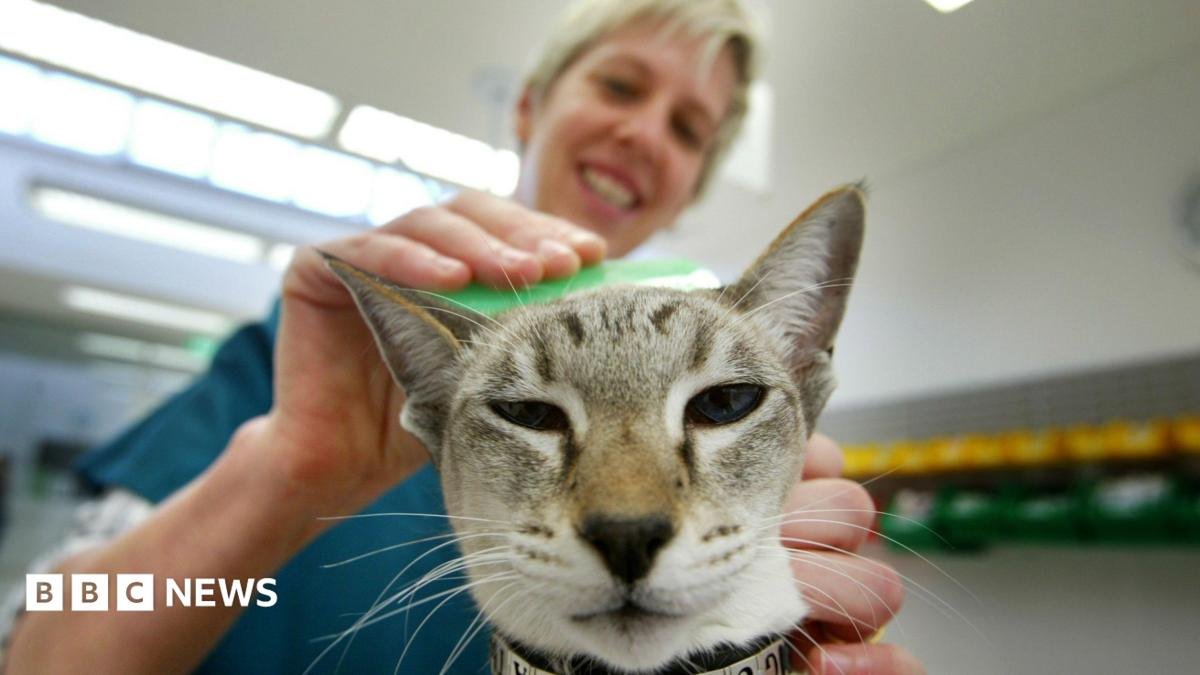
Pet flea treatments should be banned from general sale, a Lords committee has urged, after an inquiry raised concerns about their impact on their environment.
Spot-on treatments to prevent parasite infestations in fur and on skin are currently widely available for pet owners to buy in supermarkets and online.
But the House of Lords environment committee said their sale should be restricted, adding widespread use posed a potential threat to natural ecosystems.
The government said it was continuing to assess the availability of the treatments in order to ensure “correct usage by owners”.
Currently, dog and cat owners are frequently advised to use preventative spot-on treatments every month to avoid parasite infestations.
But in a series of evidence sessions, the committee heard such blanket usage is not supported by robust scientific evidence and is likely to be harming the environment.
Many vets do not treat their own pets monthly, the committee heard, instead regularly checking their pets’ fur with flea combs and restricting use to when fleas were spotted.
The committee heard that high volumes of fipronil and imidacloprid, common active ingredients in spot-on treatments, have been found in UK streams and rivers, killing off aquatic life, with a knock-on effect on wildlife higher up the food chain.
These chemicals have already been banned for use as agricultural pesticides because of their impact on wildlife such as bees, while the committee said “very little is known” about the impacts of newer chemicals such as isoxazolines.
In a report, the cross-party committee recommended that only vets, pharmacists and other qualified professionals should be able to sell such treatments, with pet owners advised to take a precautionary approach to using them.


