



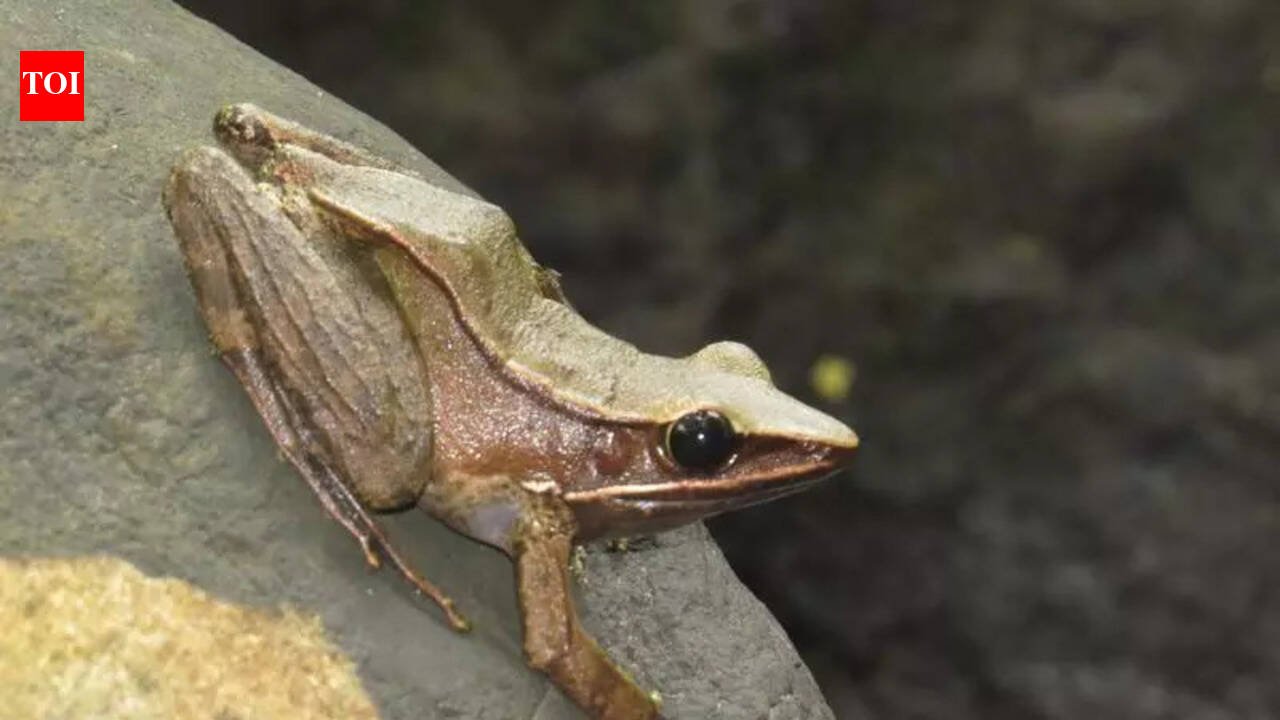
Chennai: From a jumping spider to a damselfly and unique snails, nine species were recently discovered during a faunal survey by Zoological Survey of India (ZSI) at Megamalai Wildlife Sanctuary.The findings, published by ZSI’s southern regional centre in Chennai, are based on field surveys conducted between 2018 and 2022, and highlight the ecological significance of the sanctuary in the southern Western Ghats.K A Subramanian, officer-in-charge of the centre, said the study documented 977 species across 21 faunal groups, reflecting the sanctuary’s status as a major biodiversity hotspot. Of these, 511 are vertebrates — 286 bird species, 97 reptiles, 77 mammals, 36 amphibians, and 15 fish species. The 466 invertebrate species recorded include butterflies, spiders, land snails, and aquatic insects.Subramanian said, “Among the findings, the most significant ones are the identification of nine new species belonging to less-known invertebrate groups. These include a jumping spider (Stenaelurillus megamalai), two mayflies (Edmundsula meghamalaiensis), and a damselfly (Thraulus vellimalaiensis – Protosticta sholai), which is endemic to the Megamalai–Periyar landscape. Scientists also described new species of bark lice and cockroaches, including Allacta vellimalai and Lachesilla vellimalai.“The sanctuary serves as a refuge for endemic and threatened species. The survey found that nearly 82% of the 69 recorded land snail species are endemic to the Western Ghats. Similarly, 43 of the 97 reptile species documented are regionally endemic, including the Megamalai rock gecko (Hemidactylus vanam).The landscape supports several globally threatened species listed by the International Union for Conservation of Nature. Critically endangered species recorded historically include Griet’s Bush Frog and the elusive Malabar Civet, which was not reported in recent decades. Researchers said that many of the documented species, particularly mayflies, dragonflies, damselflies, and amphibians, act as bio-indicators that reflect water quality and habitat stability.The sanctuary forms part of the Srivilliputhur–Megamalai Tiger Reserve, notified in 2021, and spans about 1,016sqkm. The reserve protects a mosaic of ecosystems ranging from montane shola forests and grasslands to tropical wet evergreen forests.ZSI scientists said similar faunal diversity studies are underway in other protected landscapes in Tamil Nadu, including Sathyamangalam Tiger Reserve, Anamalai Tiger Reserve, Mudumalai Tiger Reserve, and Kalakkad–Mundanthurai Tiger Reserve.


