





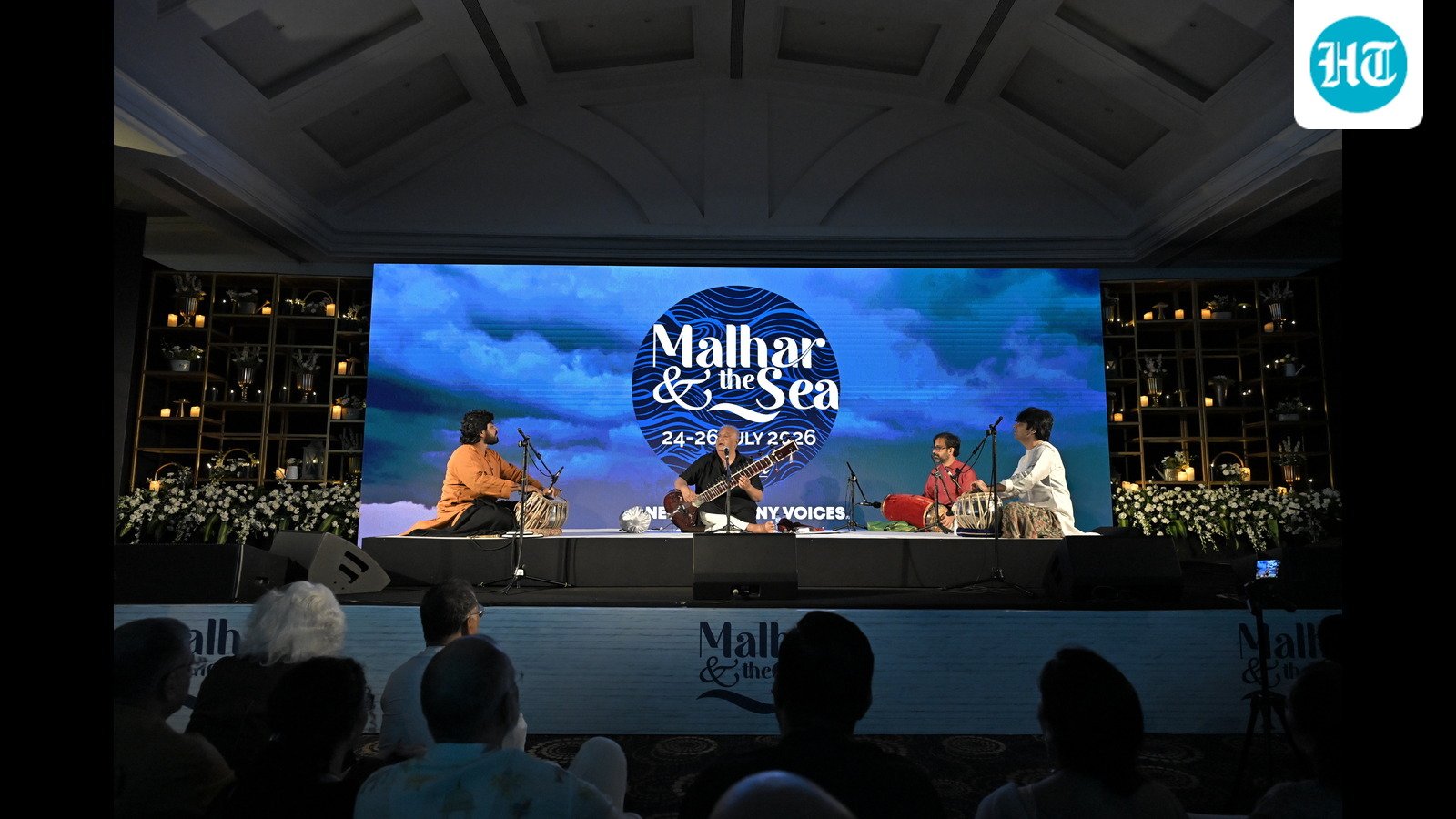
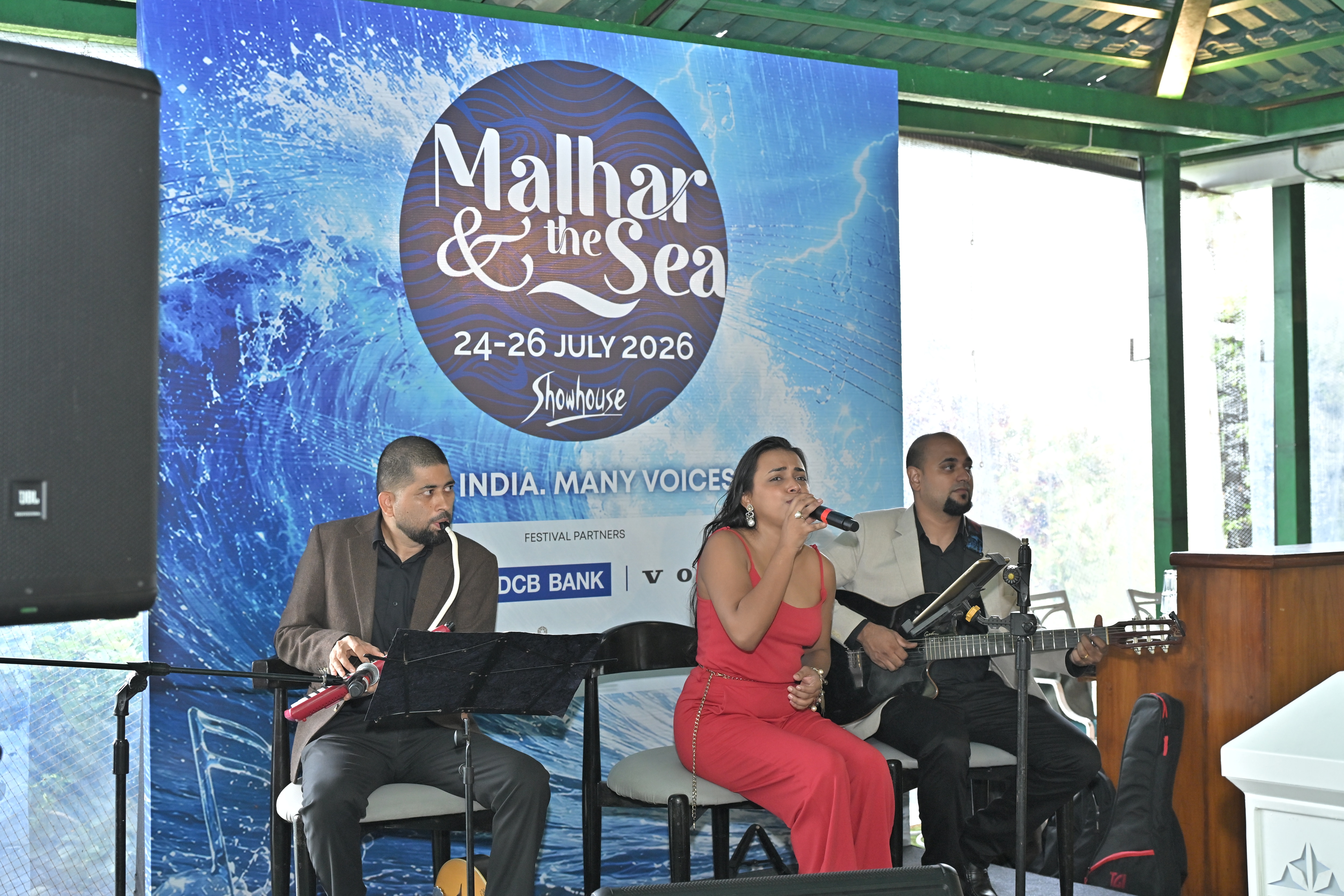
The Goan monsoon formed the ideal backdrop for the third edition of Malhar and the Sea, held from July 24 to 26 at the Taj Exotica Resort & Spa. A tribute to the season which arrives in the seaside state like a raga, the two-and-a-half day festival treats attendees to a vibrant mix of musical genres, ranging from Hindustani classical, Carnatic, Sufi, bhajans and ghazals to retro-pop. “We want to showcase Goa as the perfect destination for Malhar, so we are promoting Goa to the world as a monsoon destination,” said Omer Haidar, Chairman and Managing Director of Showhouse, which organised the event.

The programme opened on a soulful note with Ustad Wasifuddin Dagar enthralling audiences with Dhrupad, the oldest surviving form of Hindustani classical music. He was accompanied by Mohan Shyam Sharma on the pakhawaj. “Dhrupad has 52 fundamental principles. Its roots go back to the Sama Veda and the Natya Shastra,” Dagar explained after his performance.

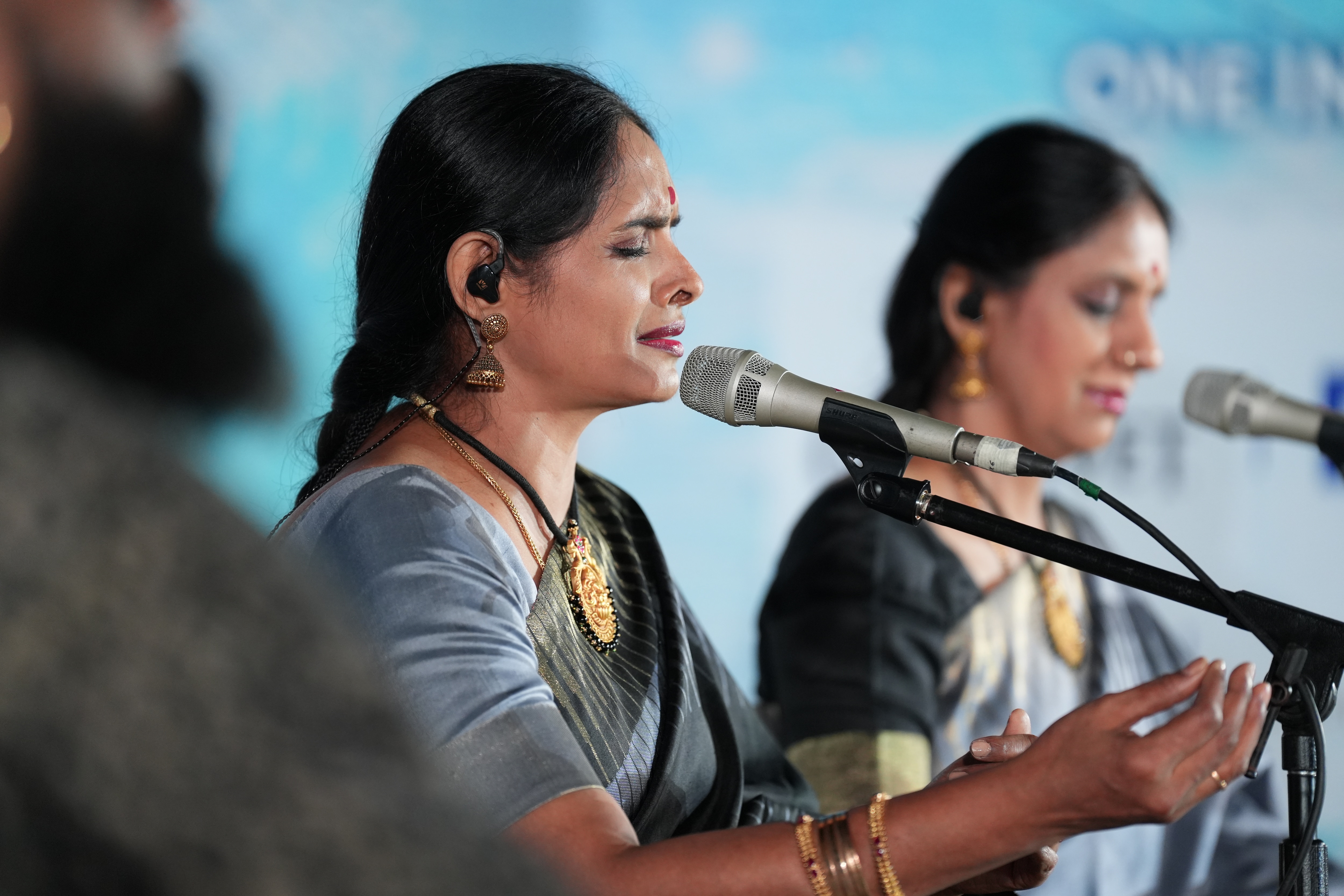
This was followed by a melodious recital by Ranjani and Gayatri, popularly known as the RaGa Sisters. The duo began with Amruthavarshini, a beautiful raga from the Carnatic tradition whose name means “shower of nectar” — an ode to the monsoon. “This raga is offered as a prayer to bring down showers,” they said. Their second piece was a popular abhang immortalised by Lata Mangeshkar, reflecting the yearning associated with the monsoon. “After summer, people yearn for drops of nectar to fall from clouds pregnant with rain,” they elaborated. This was followed by a composition by Saint Thyagaraja in Raga Khamaj, expressing romance and devotion. “It is the most evocative expression of devotion to Lord Rama and his large-heartedness,” they said. The recital also featured Meerabai’s bhajan Barse Badariya Sawan Ki and a Marathi abhang, concluding with the audience joining in a chorus of Vitthala chants.
After high tea and canapés, audiences were treated to Hoshruba Repertory’s musical play, Main Pal Do Pal Ka Shayar Hoon, directed by film and theatre actor Danish Husain. An ode to Sahir Ludhianvi, the production was interspersed with live renditions of some of his timeless film songs, including Sar Jo Tera Chakraye, Kabhi Kabhi Mere Dil Mein and Abhi Na Jao Chhod Kar. “Every performance is a reflection of the time in which it is written. Given the enigmatic person Sahir was, I thought it would be interesting to hear what others thought of him. So, I wrote the screenplay accordingly,” Husain explained.
The day’s finale was an uplifting evening of Sufi qawwalis by Shivam Bhardwaj and the Tasawwur Ensemble. After presenting traditional kalams such as Kanhaiya Yaad Hai Kuch Bhi Hamari and Kiven Mukhre Ton Nazran Hatawan, they moved on to audience favourites like Allah Hoo, Chaap Tilak, Mast Kalandar and Mera Piya Ghar Aaya, prompting enthusiastic singing and clapping from the audience.
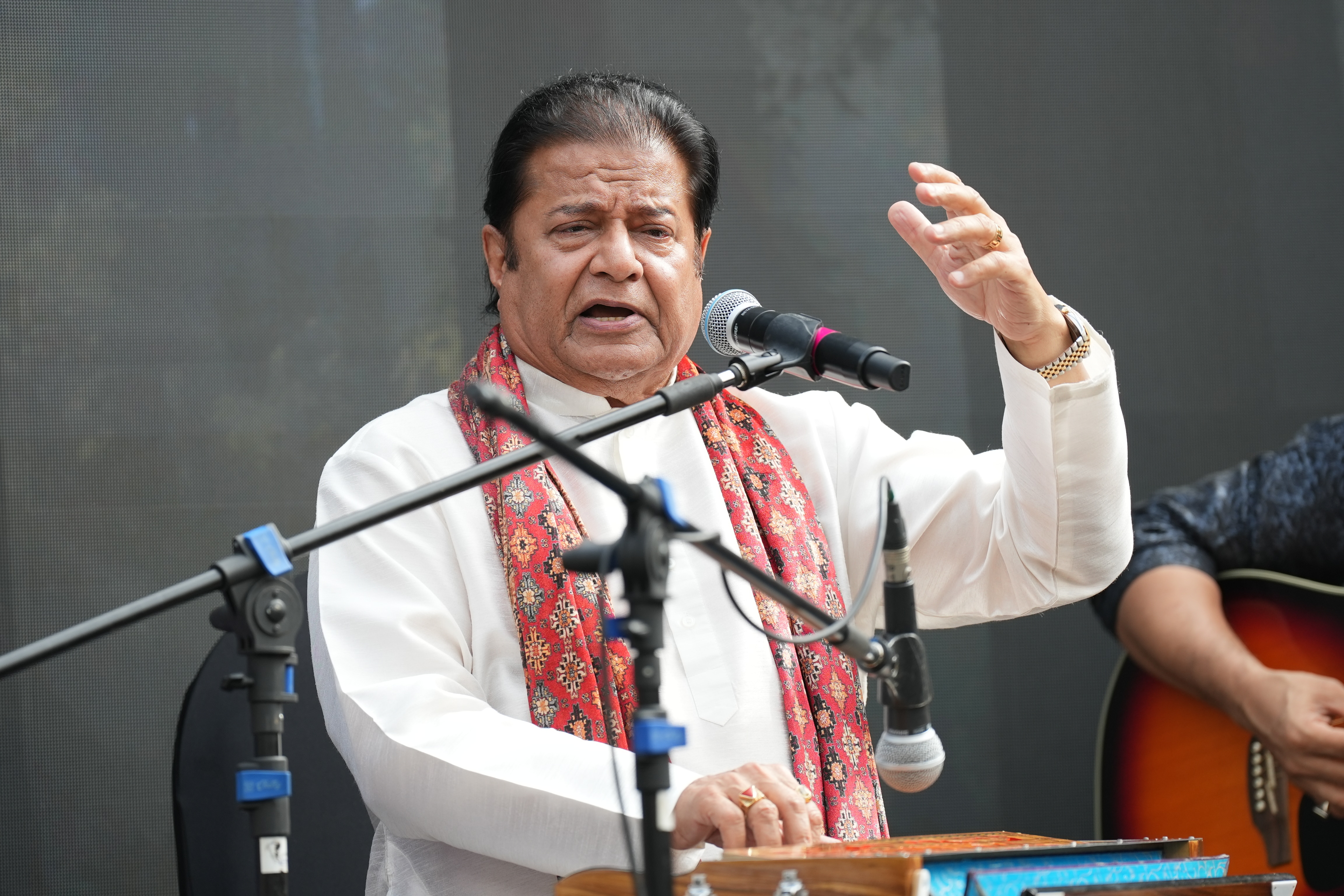
Day two began after breakfast with Anup Jalota, accompanied by his disciple Shweta Pandit. Jalota opened with devotional favourites including Aisi Lagi Lagan, Achyutam Keshavam, Ram Khade Hain Liye Dhanush, Yashomati Maiya Se Bole Nandlala, Shyam Teri Bansi Pukare and Woh Kala Ek Bansuri Wala. He then transitioned to beloved classics such as Itni Shakti Humein Dena Data, Ae Malik Tere Bande Hum, Tum Itna Jo Muskura Rahe Ho and Hothon Se Chhu Lo Tum. The audience hummed along throughout much of the performance, while Jalota kept the atmosphere light with his trademark humour between songs.
Next up was classical vocalist Ronkini Gupta, who evoked the spirit of the monsoon through khayal and thumri. Her opening bandish, an original composition, described a koel singing in the rains, while the second attempted to capture the essence of falling raindrops. She concluded with a tarana incorporating both Hindi and Persian words. “A tarana is like a toothbrush for the tongue because of the massage effect it creates,” she quipped.
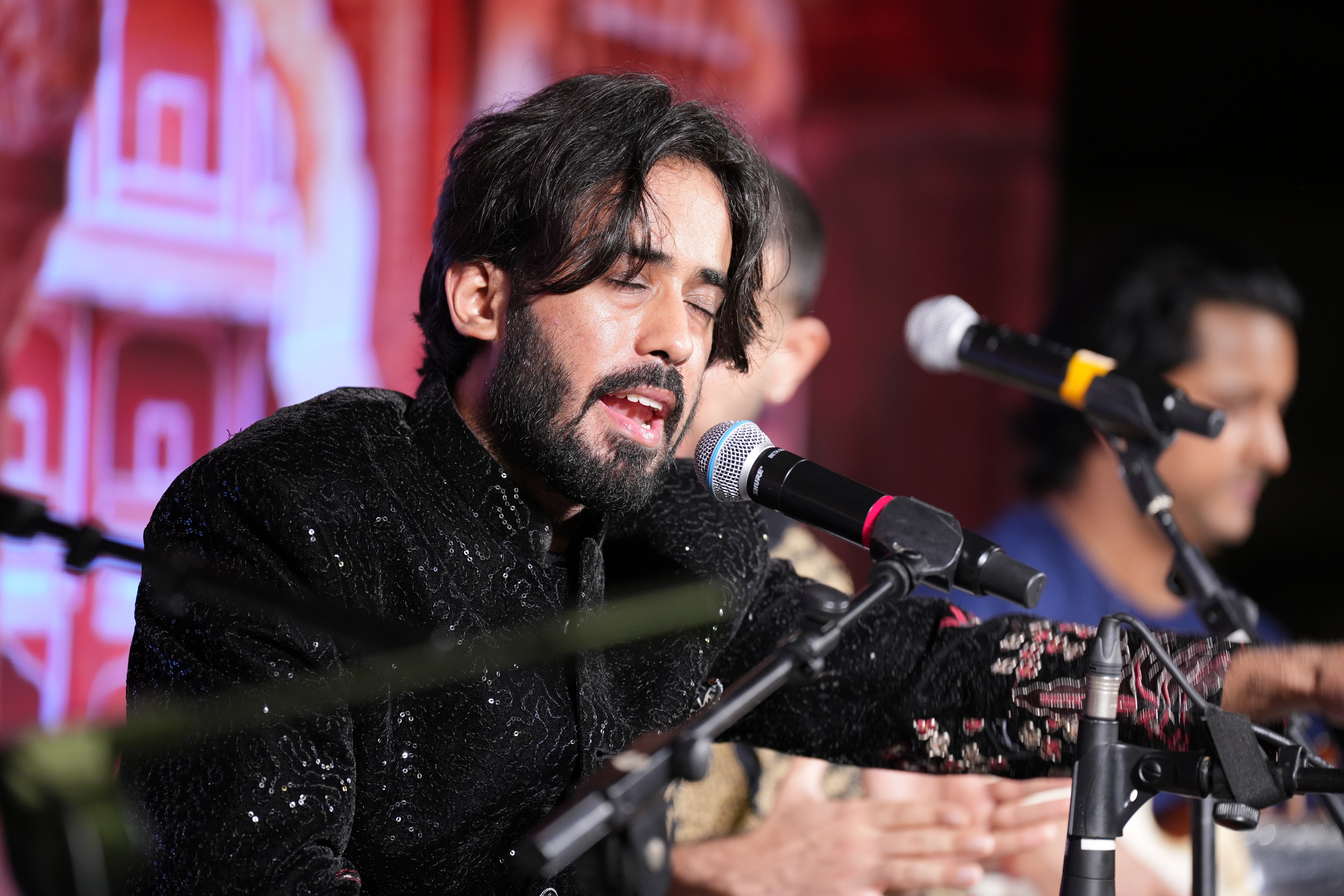
Later that evening, Ustad Shujaat Husain Khan delivered a mesmerising sitar recital. His opening piece built towards a percussive crescendo that vividly evoked the sound of rain. Towards the end of his performance, Khan also sang several popular compositions, including Haath Khali Hain Tere Sheher Se Jaate Jaate by Rahat Indori, Kal Chaudhvin Ki Raat Thi, Dil Mein Ek Lehr Si Uthi Hai, Yeh Jeevan Hai and Chura Liya Hai Tumne, before performing his own composition, Zindagi Se Badi Saza Hi Nahi, and concluding with Rangi Saari Gulabi Chunariya.
Priyanka Barve followed with an engaging set of ghazals and Bollywood classics, including Uzr Aane Mein Bhi Hai by Begum Akhtar, Mohabbat Karne Wale Kam Na Honge by Mehdi Hassan, Agar Mujhse Mohabbat Hai by Lata Mangeshkar and Hamri Atariya Pe. She concluded with a medley of Bollywood songs based on Raga Pahadi. “Goa has this ability to slow one down, which is so needed in these times. Combined with music, it creates a truly one-of-a-kind experience,” she remarked.
After dinner, audiences were regaled by an energetic tribute to The Beatles by classic rock and blues band Wanted Yesterday. Led by veteran adman Subhash Kamath, the band performed timeless hits such as Hey Jude, Love Me Do and I Want to Hold Your Hand, keeping the audience dancing well into the night.
Lilting Goan music over a leisurely Sunday breakfast at the coffee shop provided a fitting finale to the immersive festival. One of India’s last remaining fadista artists, Nadia Rebelo introduced audiences to Fado, the Portuguese musical tradition of longing and nostalgia that dates back to the early nineteenth century. Many of her songs celebrated the sea and Lisbon — its midnight charm, picturesque coastline and changing times.
Running alongside the festival was Rain Dogs, a Cannes award-winning photography exhibition by Rohit Chawla. Shot during the pandemic, it featured pictures of dogs on Goa’s deserted beaches. Proceeds from the sale of the photographs were donated to various dog welfare charities.
While Malhar and the Sea will return to Goa next year, Haidar revealed that the festival will soon expand to international destinations, including Sri Lanka and the Maldives.
A freelance writer based in New Delhi, Neha Kirpal writes primarily on books, music, films, theatre and travel


