



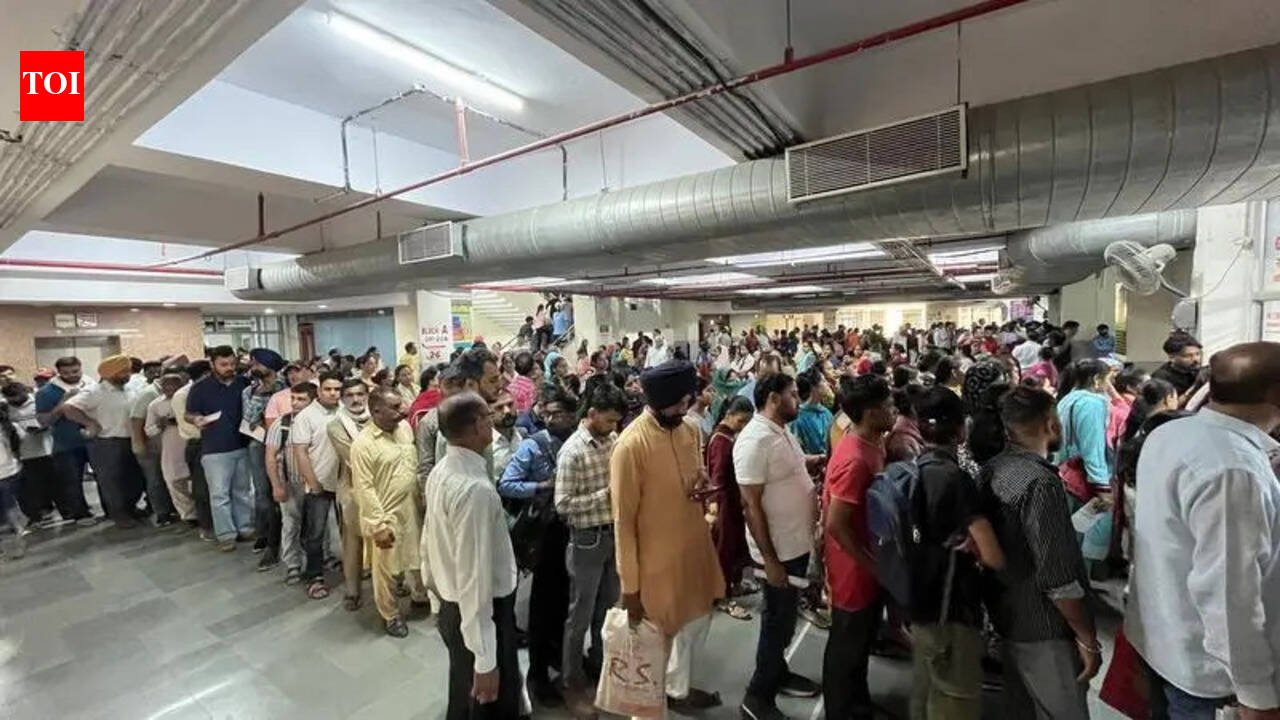
Chandigarh: The Union ministry of health and family welfare has directed the PGI to reconsider its memorandum of understanding (MoU) with the Centre for Development of Advanced Computing (C-DAC) for the implementation of the Hospital Information System (HIS) 2.0. This intervention comes after the project stalled for over two years, significantly hindering the institute’s digitalisation efforts and critical tasks such as data mining and clinical research. Despite HIS 2.0 being a recurring agenda item in three separate Standing Finance Committee (SFC) meetings held under the union health secretary, the project has yet to be operationalised.Sources inform that the contract was originally allotted to C-DAC on a single-tender basis without inviting competing bidders, a move that has drawn scrutiny from the ministry. In the most recent SFC meeting this February, the committee again tasked PGI with reworking the MoU. The delay is primarily attributed to a massive expansion in the project’s scope, which now includes 19 modules, a web portal, mobile applications, a Queue Management System and integration with the Ayushman Bharat Digital Mission. This increased complexity led C-DAC to express concerns over potential penalties for missing original timelines, even prompting it to serve an exit notice from the current agreement.In response to these challenges, C-DAC has submitted a revised proposal featuring a total cost of Rs 60 crore 50 lakhs. This new proposal includes the provisioning of essential cloud infrastructure, a disaster recovery site and facility management services. While C-DAC has offered squeezed timelines to expedite the work, the ministry’s latest directive to review the MoU further complicates the timeline. For now, the region’s premier healthcare institute remains reliant on the outdated HIS 1.0, leaving patients and faculty waiting for the modernised digital ecosystem promised years ago.The lack of a modern digital framework is severely affecting data mining and clinical research. Without the electronic medical records (EMR) promised in HIS 2.0, researchers are unable to efficiently analyse patient outcomes or trends across the institute’s massive database. Essential features like QR-code-based appointments, integrated mobile apps and a Queue Management System (QMS) remain in limbo, forcing thousands of daily patients to navigate manual, paper-based systems. The absence of a unified digital payment system and integrated billing continues to pose risks, with the administration previously noting that a digital upgrade is essential to prevent financial leakages and fraud.


