



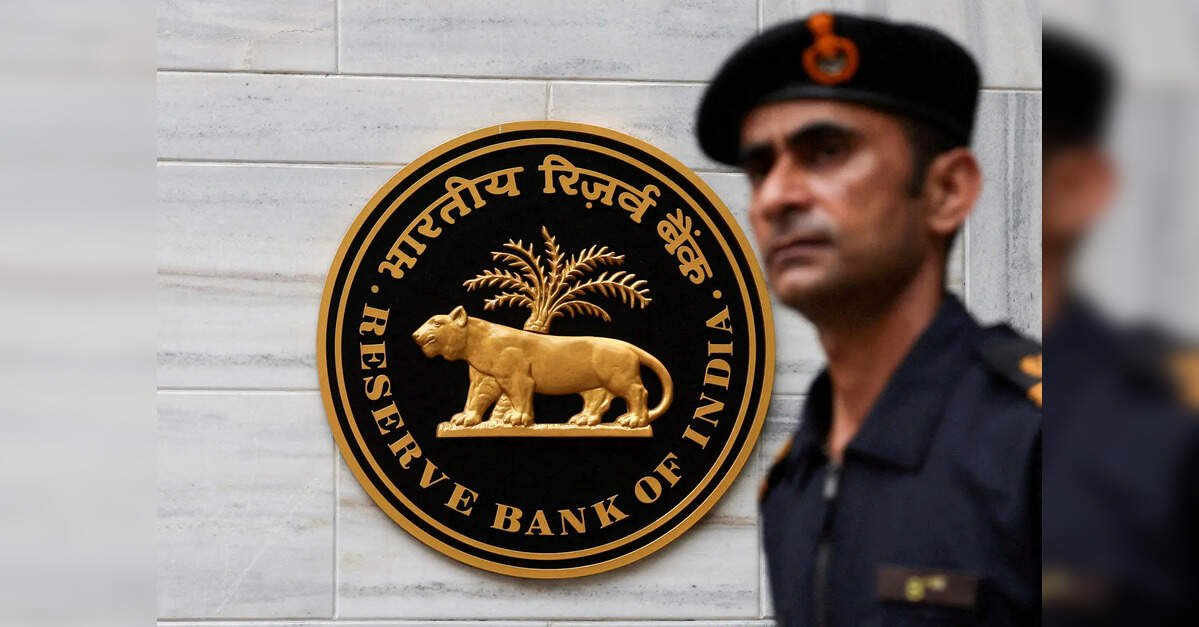
Mumbai, The Reserve Bank on Wednesday rejected all bids for treasury bills offered at auction, as investors demanded yields that were 0.05-0.10 percentage points higher than those seen in previous auctions amid tight liquidity conditions in the banking system, market participants said.
The central bank did not accept any investor bids for 91-day, 182-day and 364-day T-bills. The RBI announced the auction of short-term government securities on February 21.
“Tight liquidity in the banking system has prompted investors to bid 0.05-0.10 per cent higher cut-off yields at the auction, which the RBI rejected,” said Balasubramanian R, head of treasury at Dhanlaxmi Bank.
The Government of India issues treasury bills (T-bills) as money market instruments that function as promissory notes, guaranteeing repayment at a later date.
Typically, banks, primary dealers, retail investors, and institutional investors participate in these auctions.
Treasury bills are short-term borrowing instruments with maturities of up to 364 days and are issued at a discount to their face value, carrying no periodic interest payments.
Over the past three weeks, the cut-off yields on treasury bills have risen by about 0.03 percentage points each for the 91-day and 182-day tenures, and by 0.06 percentage points for the 364-day tenor, reflecting persistent tightness in systemic liquidity.
Liquidity conditions in the banking system have been strained in recent weeks due to outflows related to advance tax and goods and services tax (GST) payments. In response, the RBI has injected transient liquidity through variable rate repo (VRR) auctions to support the system, which has slipped into deficit.
The central bank has infused a transient liquidity amounting to Rs 2.08 lakh crore into the banking system through VRR auctions of various tenures.
Market participants expect the RBI to conduct additional VRR auctions in the coming days to ease liquidity pressures and stabilise short-term interest rates.


