



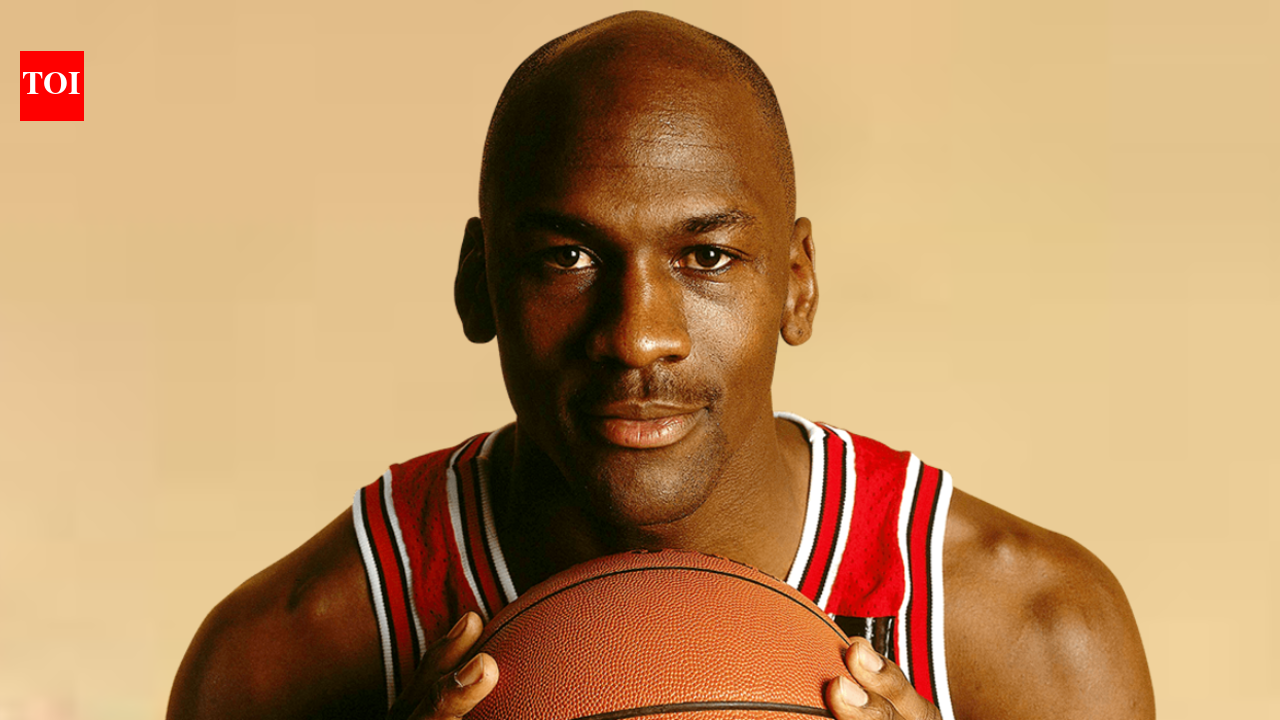
When people repeat the quote today, they often leave out the details that make it powerful. Jordan once pointed out that he missed more than 9,000 shots during his career. He lost nearly 300 games. Twenty-six times, he was trusted to take the game-winning shot and missed. Those are repeated, public failures under enormous pressure, the kind that millions of people remember instantly. And yet the same player went on to win six NBA championships with the Chicago Bulls, collect five MVP awards and become one of the most influential athletes the sport has ever seen.That is where Michael Jordan’s mentality becomes interesting. Every missed shot stayed in his memory, every late-game mistake, playoff loss, and poor performance didn’t just fade away; it became a data point, a form of feedback he used to improve in the next training session, the next season, and the next important moment.
The rejection that shaped Jordan
One of the defining stories from his life came long before the NBA championships and worldwide fame. As a sophomore at Laney High School, Jordan was cut from the varsity basketball team. For most teenagers, that kind of rejection can sit in the back of their mind for years. Jordan later admitted he would think about that cut list during exhausting workouts whenever training became mentally difficult. That moment stayed attached to him throughout his career, and that idea connects with ordinary life more than people sometimes realise. Somebody spends months preparing for a driving test and fails because of one mistake in the final few minutes. A young chef burns dishes during a packed dinner shift while everybody around them is moving faster. A university student freezes during a presentation after practising it alone all week. Somebody launches a small clothing brand online, gets almost no orders, then has to wake up the next morning and continue posting anyway. Those moments feel personal while they are happening. They stay in your head afterwards too. Jordan’s quote speaks directly to that feeling. The embarrassment. The frustration. The quiet replaying of mistakes afterwards when you are lying awake thinking about what should have gone differently.
Why the quote still matters in 2026
What separated Michael Jordan was his ability to keep returning to those situations with the same aggression and belief. Twenty-six missed game-winners still did not stop him from demanding the ball again in the next big moment. This highlights the concept of “clutch resilience”. To succeed at a high level, you must be willing to put your reputation on the line. That mindset becomes harder as people get older because failure starts carrying consequences. Careers, money, reputation and public criticism all become attached to mistakes. A missed opportunity at work can affect promotions. A failed business can leave somebody with debt. Athletes get criticised by millions online within seconds. Musicians, actors and creators release projects knowing people will publicly tear them apart if they fall short. Jordan understood that pressure better than almost anybody. Even in 2026, younger athletes and entrepreneurs still talk about him in that way. His career showed that setbacks, criticism and disappointment can become part of somebody’s competitive edge when they are processed properly over time.
The lasting meaning behind the quote
The reason the quote still feels relevant decades later is because it reflects how progress actually looks in real life. Most meaningful things involve repetition, frustration, awkward mistakes and periods where improvement is almost invisible. Jordan’s career became a symbol of persistence through repetition. The missed shots, the losses and the setbacks kept stacking up alongside the championships, the trophies and the iconic moments. Together, they formed the full picture of who he became.


