


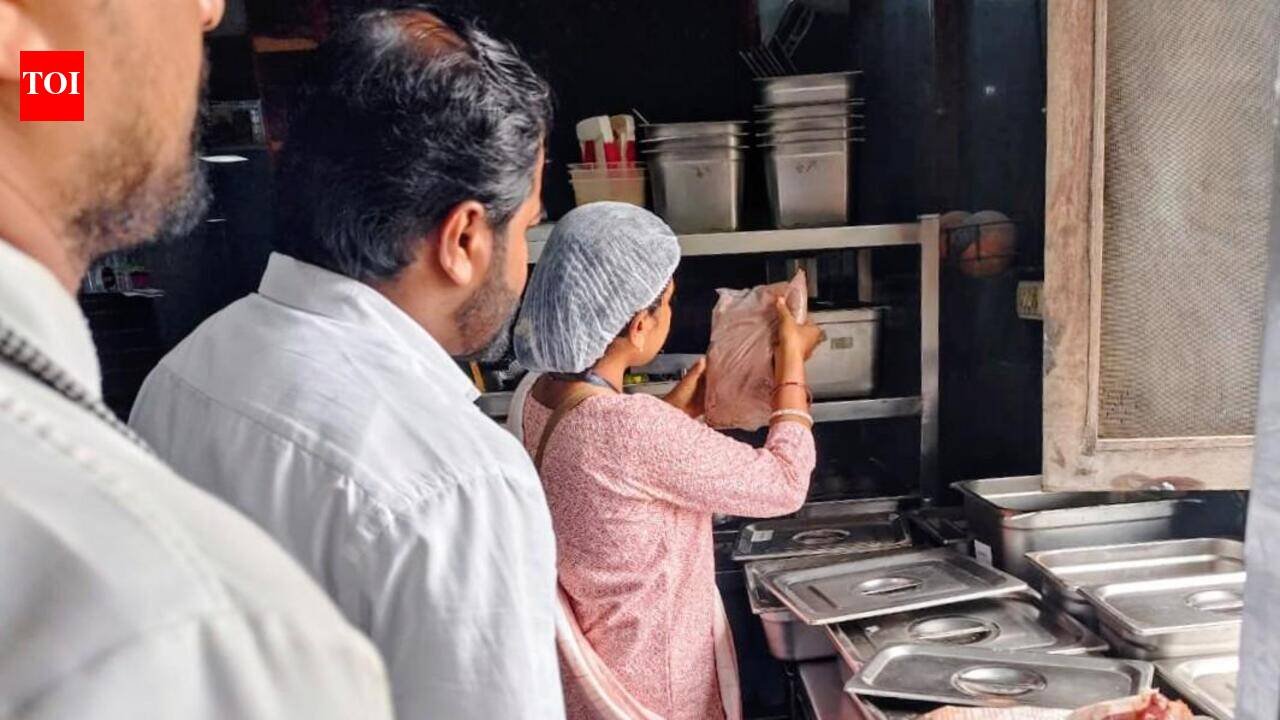
Pune: A year after the Food and Drugs Administration (FDA) announced a dedicated laboratory in Moshi to serve the Pune division, the facility remains non-operational. Despite an original completion target of March this year, the lab—intended to test suspected food and drug samples for adulteration—is yet to open its doors.The delay has created a logistical bottleneck for the Pune division’s five districts: Pune, Satara, Sangli, Solapur, and Kolhapur. Currently, officials are forced to send samples to state laboratories in Mumbai, Chhatrapati Sambhajinagar, and Nagpur.Santosh Kamble, joint commissioner, FDA, stated that the infrastructure is ready but pending equipment. “We already have an FDA office at Moshi, and the upper floors have been reserved for the laboratories.
CJP Jantar Mantar Protest Updates
We have placed orders for the necessary equipment, and they are expected to arrive soon,” Kamble said.Last year, officials reported significant backlogs at existing state facilities, particularly in Mumbai, where a heavy workload often pushes test turnaround times to several weeks.These delays hamper prompt enforcement and allow potentially harmful or substandard products to remain on the market longer, posing a direct threat to public health. Once operational, the Moshi lab is expected to drastically shorten reporting times and improve regulatory response.The lack of a local facility also affects manpower. Girish Hukare, joint commissioner, FDA (Pune division), said, “Currently, food and drug samples from across the division must be sent to the three state-run labs in Mumbai, Chhatrapati Sambhaji Nagar, and Nagpur.”Further, because some districts lack independent drug inspectors, officers from Pune must travel long distances for enforcement actions. Officials believe that a functional Moshi lab will streamline this process, making seasonal campaigns against adulteration more effective and timely.The three operational state laboratories are currently stretched thin. Mumbai processes 2,700 drug and 2,500 food samples annually. Chhatrapati Sambhajinagar processes 2,200 drug and 2,000 food samples annually. Nagpur processes 500 drug and 1,700 food samples annually.The FDA’s food safety division is tasked with ensuring high-quality food availability under the Food Safety and Standards Act, 2006. Simultaneously, the drug section regulates the licencing of manufacturers, blood banks, and the safety of medical devices and cosmetics. The Moshi facility is seen as a critical pillar in upholding these standards for western Maharashtra.
