



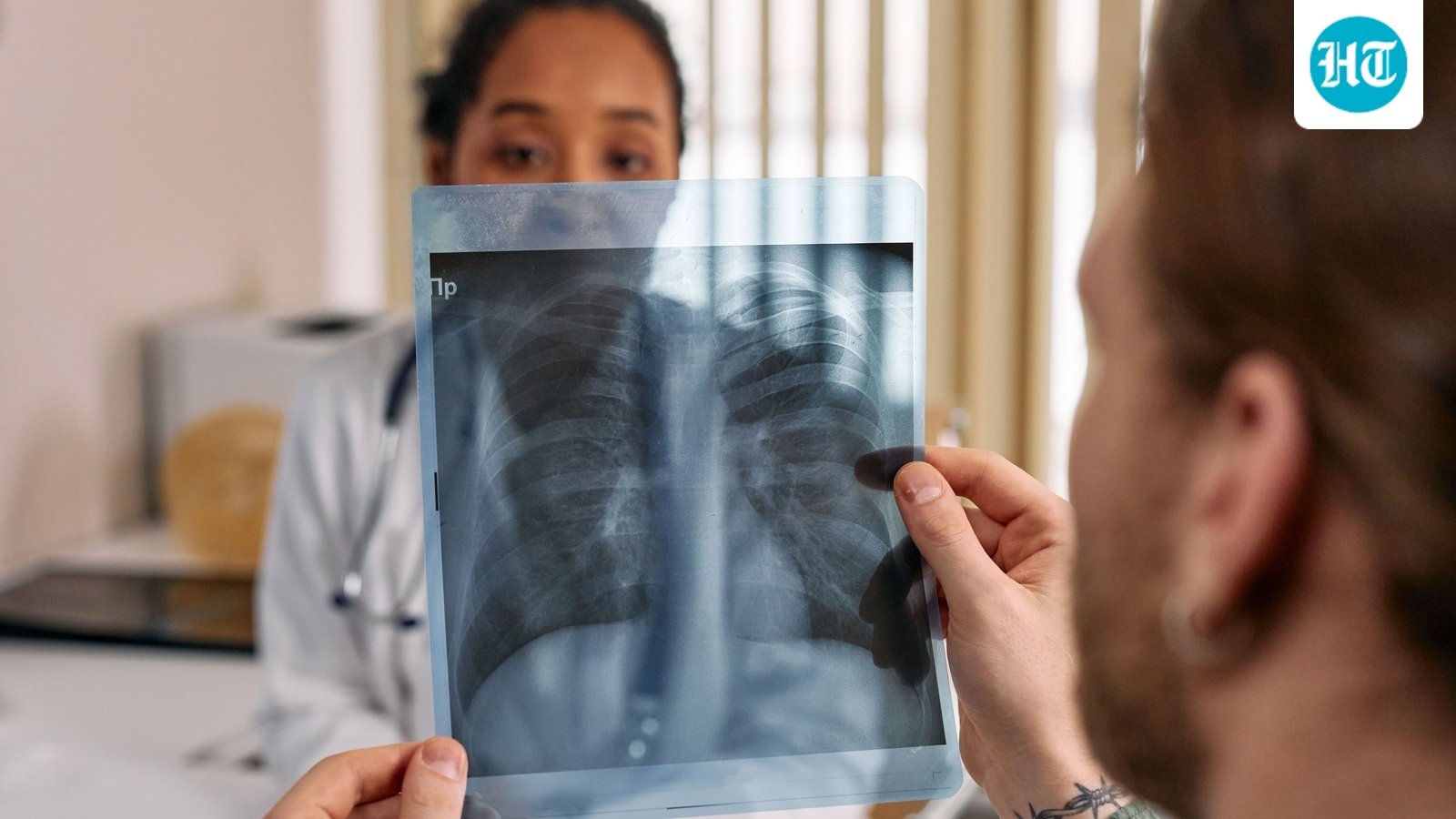
Lung cancer is frequently associated with a chronic cough or coughing up blood, but its early signs are often far more subtle.
Also Read | Gastroenterologist Dr Joseph Salhab says he doesn’t drink chia water: Here are 5 ways he takes them instead
In an interaction with HT Lifestyle, pulmonologist Dr Harish Kumar Verma revealed that many lesser-known symptoms closely mimic everyday physical strain, ageing, or routine lifestyle complaints, leading people to dismiss them until the disease progresses.
Recognising these quiet warning signs is critical for early detection and starting treatment in time. The ones that Dr Verma shared are presented as follows.
1. Unexplained shoulder and upper back pain
While shoulder discomfort is usually chalked up to poor posture, desk work, or a mild workout injury, it can sometimes point to a specific type of lung cancer known as a Pancoast tumour.
“Located at the top of the lungs, these tumours can press on nearby nerves, causing severe, radiating pain down the shoulder, upper back, and inner arm rather than traditional respiratory symptoms,” stated Dr Verma.
2. Slowly worsening breathlessness
It is easy to blame feeling winded after climbing stairs on lack of exercise, weight gain, or getting older. However, persistent or gradual shortness of breath during routine activities can indicate a tumour obstructing an airway or fluid buildup around the lungs (pleural effusion).
“If stamina decreases without a clear change in activity levels, it warrants medical attention,” cautioned the pulmonologist.
3. Recurrent chest infections
Frequently catching bronchitis, pneumonia, or long-lasting chest colds is often passed off as a weak immune system or seasonal vulnerability. In reality, a tumour blocking a bronchial tube can trap secretions and create a recurring site for infection, preventing full recovery despite treatment, noted Dr Verma.
4. Finger clubbing
In the words of the pulmonologist, “Changes in the fingertips—where the ends soften, enlarge, or curve downward—are easily misattributed to poor circulation, ageing, or arthritis. Finger clubbing occurs when chronic low blood oxygen levels or tumour-secreted hormones alter tissue growth, serving as a distinct physical cue.”
5. Persistent fatigue and unexplained weight loss
Exhaustion that does not improve with sleep is routinely attributed to high stress, busy schedules, or burnout. However, cancer cells consume significant energy and alter metabolic processes, causing profound fatigue and sudden weight loss without changes in diet or routine, pointed out Dr Verma.
“Listening to subtle, persistent body changes—rather than writing them off as routine lifestyle quirks—can prompt timely screening and significantly improve outcomes,” he added.
Note to readers: This article is for informational purposes only and not a substitute for professional medical advice. Always seek the advice of your doctor with any questions about a medical condition.
Dr Harish Kumar Verma is the Director of Pulmonology at ShardaCare-HealthCity. He has over 18 years of clinical experience and specialises in advanced respiratory care, sleep medicine, interventional pulmonology, and critical care procedures.


