



India’s cancer challenge is no longer a future concern—it is a present-day healthcare and economic reality. The National Cancer Registry Programme (NCRP) has already estimated more than 1.57 million new cases in 2025, underscoring the scale and urgency of the challenge.
What is particularly concerning is not only the increase in the number of cases but also the changing profile of the disease. Breast, lung, oral, cervical and colorectal cancers now account for a significant share of India’s cancer burden. Lung cancer, for instance, is increasingly being linked to factors beyond tobacco use, including air pollution, occupational exposure and environmental risks. These trends point to a broader public health challenge that demands coordinated action from policymakers, healthcare providers and industry.
Many cancer patients in India continue to be diagnosed only after the disease has progressed, limiting treatment options and increasing both the complexity and cost of care. Improving cancer outcomes, therefore, requires more than investments in screening and healthcare infrastructure. It also requires faster access to advanced therapies that can improve survival and quality of life.
The past decade has transformed oncology. Targeted therapies, immunotherapies, antibody-drug conjugates and precision medicines have redefined treatment standards globally. These innovations are enabling more personalised approaches to care and delivering better outcomes across a range of cancers. Yet innovation creates value only when patients can access it in time.
This is where India faces an important opportunity. As global oncology advances at an unprecedented pace, bridging the gap between scientific innovation and patient access must become a national priority. Delayed access to advanced therapies can directly impact outcomes, particularly in aggressive and advanced-stage cancers where treatment windows are often narrow.
The pharmaceutical industry has a vital role to play in closing this gap. India has earned global recognition as a leader in affordable medicines. The next phase of growth must focus on strengthening domestic capabilities in specialty pharmaceuticals, advanced oncology formulations and research-driven drug development. Expanding local manufacturing and innovation can improve supply resilience, reduce dependence on imports and help make cutting-edge therapies more accessible.
At BDR Pharmaceuticals International Pvt. Ltd., this vision has guided our oncology journey. Over the years, we have invested in developing and manufacturing specialty oncology therapies across multiple cancer indications, with a focus on expanding patient access to advanced treatment options. As oncology continues to evolve, ensuring that innovation remains affordable and accessible will be essential to improving outcomes at scale.
However, industry efforts alone will not be sufficient. India needs a broader ecosystem approach that combines faster regulatory pathways for breakthrough oncology therapies, greater support for clinical research, wider adoption of advanced diagnostics and stronger collaboration between government, healthcare institutions and industry. Equally important is the inclusion of newer cancer therapies within reimbursement and insurance frameworks so that access is determined by clinical need rather than affordability alone.
India possesses the scientific talent, manufacturing capabilities and healthcare expertise required to become a global leader in oncology care. The next step is to ensure that innovation reaches patients faster. As cancer incidence continues to rise, accelerating access to advanced therapies must become a national healthcare priority. The real measure of progress will not be the number of breakthroughs developed, but the number of patients who are able to benefit from them when they need them most.
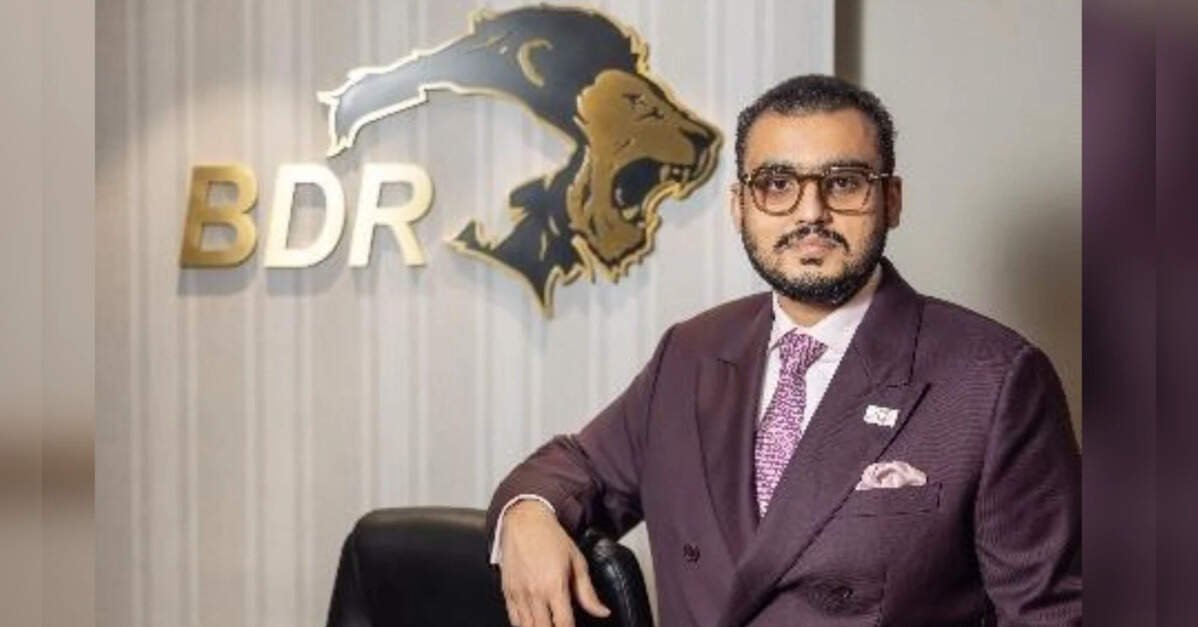
This article is written by Raheel Shah, Director, BDR Pharmaceuticals International Pvt. Ltd.
Disclaimer: The above content is non-editorial, and TIL hereby disclaims any and all warranties, expressed or implied, relating to it, and does not guarantee, vouch for or necessarily endorse any of the content.


