



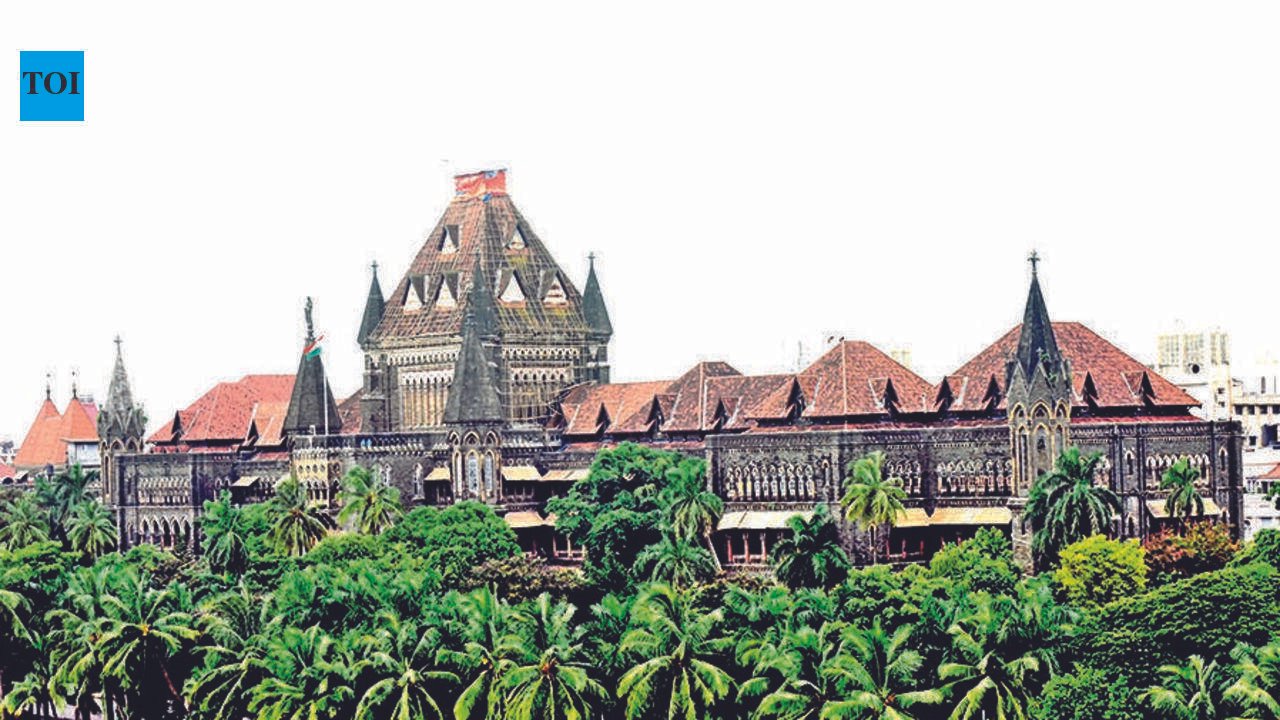
Mumbai: Dismissing an insurer’s appeal against an order of compensation for a mechanic who died during repairs of a tanker at a garage, Bombay High Court has held that a private garage can be considered as ‘public space’ and the vehicle, although stationary, was given for repairs and hence ‘in use’.The insurer argued that since the tanker was stationary in a private garage, it was not in “use” as per the Motor Vehicles Act and the garage was not a “public place”, thus absolving itself of the statutory liability under section 147 of Motor Vehicles Act (MV Act). The section outlines the compulsory requirements and limits of liability for motor vehicle insurance policies.An insurance company had filed an appeal in 2021 against a Motor Accident Claims Tribunal (MACT) order of Aug 2020. MACT had passed an order against the vehicle owner and insurer and directed a payout of over Rs 8 lakh with interest to the kin of the mechanic who died in May 2015 due to a blast while carrying out welding work in a Chembur garage.Justice Jitendra Jain of the HC held that though a “garage may be private property, but because it is accessible to the public it falls within the definition of public space under MV Act.” HC said ‘public’ means a defined group of people, in this case vehicle owners whose entry is not prohibited into a garage.When a third party dies or is injured when a vehicle is in use, the insurer is liable to pay compensation stipulated in section 146 of MV Act.“The phrase ‘use of the motor vehicle’ used in Section 147 cannot be given a restrictive meaning to mean an accident occurring only when the vehicle is moving,” Justice Jain said, adding it would include not just active movement but passive use as well for ‘purposes of its movement.’ HC said repairs of a motor vehicle are “integral aspects of its movement” and hence amount to its “use”.Besides, under the MV Act, insurance covers any person,which would include the worker in the garage who died. The tanker had come in for repairs to the garage. The blast could have been due to residual fuel and by law, it was the duty of the vehicle owner to have informed the garage that it needed to be emptied first, HC observed. The victim’s family had lodged an FIR only against the garage owner.HC ruling delivered on July 28 said the insurer has shown no evidence of negligence of the repairer. It added, “When the owner of a motor vehicle entrusts his vehicle to a repairer to carry out repairs, he is in fact allowing the repairer to use his vehicle” and hence the vehicle is said to be in ‘use’ to attract insurance in case of accident.HC held the tribunal was right in holding the driver and the garage owner responsible and not the victim.


