



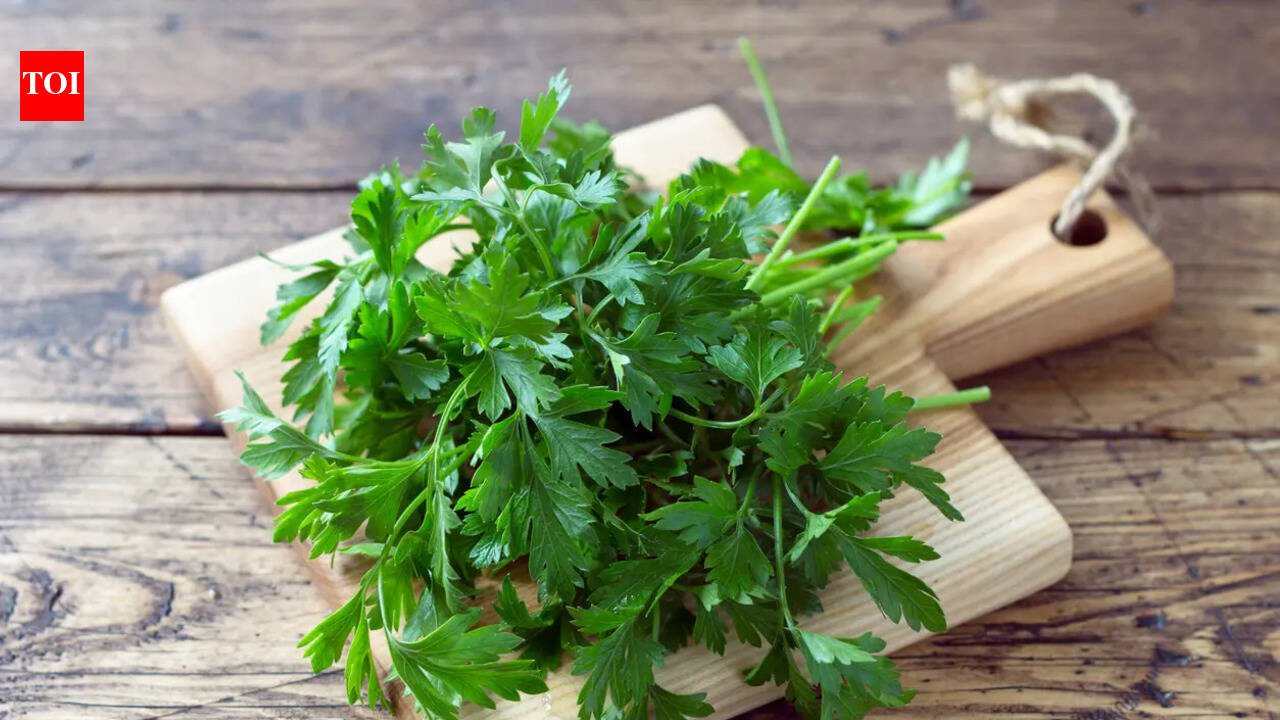
Coriander is one of those kitchen staples that looks effortless until summer arrives. One day the leaves are bright, fragrant and full of life. Two days later, they are limp, yellowing or turning slimy at the edges as if they never stood a chance. For something so common, coriander can be surprisingly fussy, and hot weather exposes every weakness in the way it is stored or handled. The problem is not usually the herb itself. It is the heat, the humidity, the way it is packed, and the fact that coriander is a delicate leafy green with a short natural shelf life. In summer, all of those pressures work against it at once. The good news is that most of the damage is preventable. Scroll down to know more…
Coriander dries out very fast in heat
Coriander leaves are thin, tender and full of moisture. That makes them highly aromatic but also highly vulnerable. When temperatures rise, the leaves lose water quickly. Even a short spell on the counter or in a warm grocery bag can begin the collapse.Unlike sturdier herbs such as rosemary or thyme, coriander wilts fast because it has soft stems and delicate foliage. Once the moisture begins to escape, the leaves lose their structure. They go from crisp to tired to unusable in a matter of hours. This is why coriander often seems fine when you buy it but breaks down almost immediately at home. Summer simply speeds up a process that is already built into the herb.
Heat and trapped moisture are a bad combination
A second reason coriander dies so quickly is that many people store it in a way that traps moisture. If the bunch is washed and then packed away while still wet, the leaves can begin to rot instead of staying fresh. The same happens when coriander is kept in a sealed plastic bag with no airflow. In summer, this becomes worse. Heat encourages both wilting and microbial growth. So the leaves may dry out at the top while turning soggy at the bottom. That is why coriander sometimes looks damaged from two directions at once: it is both dehydrated and decaying.
The roots and stems matter more than you think
Fresh coriander lasts better when its stems are treated properly. The stems draw water into the leaves for a short time, which helps the herb stay alive a little longer. If those stems are bruised, cut too short, or left without moisture, the bunch weakens quickly. Many people chop off too much of the base or leave the bunch lying flat in the fridge. That speeds up spoilage. Coriander behaves more like a living plant than a shelf-stable ingredient. The closer you keep it to that state, the better it survives.
How to make coriander last longer
The first rule is simple: keep it cool and slightly hydrated, not soaked. After buying coriander, sort through it immediately. Remove any yellow, mushy or damaged leaves. If the bunch is dirty, wash it gently and dry it very well. Any extra water left on the leaves becomes trouble later. One of the best methods is to treat coriander like a bouquet. Trim the stem ends slightly and place the bunch upright in a jar with a little water at the bottom. Loosely cover the leaves with a clean bag or container lid, then refrigerate it. This helps keep the stems from drying out while preventing the leaves from getting crushed.
If you prefer wrapping, use a paper towel. Wrap the coriander in a dry paper towel to absorb excess moisture, then place it inside a container or bag in the fridge. This works especially well in humid weather because it reduces sogginess while still protecting the leaves. Another useful habit is to avoid washing the entire bunch too early unless you plan to dry it completely. Coriander that is washed and stored wet almost always fades faster.
Buy smarter, not just fresher
A lot of people blame storage when the real problem starts at the market. Coriander that has already been sitting out in heat for hours may look acceptable but is already half spent. Choose bunches with bright green leaves, firm stems and no dark patches. Avoid coriander that feels damp, crushed or warm to the touch. If possible, buy smaller quantities more often in summer rather than stocking up for the week. Coriander is not a herb that rewards overbuying. It is better to bring home a little at a time and use it quickly.
Use it before it is too late
Even with perfect storage, coriander will not last forever. Summer shortens its life further. The smartest approach is to use it early in the week, not leave it waiting for a “better” meal. Add it to chutney, sprinkle it over dal, stir it into curd, or finish a sabzi with a handful just before serving. That last-minute addition matters. Coriander gives the most flavour when it is fresh, and once it begins to wilt, that bright note disappears too.
The real fix is speed and care
Coriander dies in two days during summer because it is fragile, moisture-sensitive and very exposed to heat. But the solution is not complicated. Keep it cool, keep it dry on the outside and lightly hydrated at the stems, and do not let it sit around in a sealed, sweaty bundle. Handled well, coriander can last longer than most people expect. Treated carelessly, it has no chance at all.


