






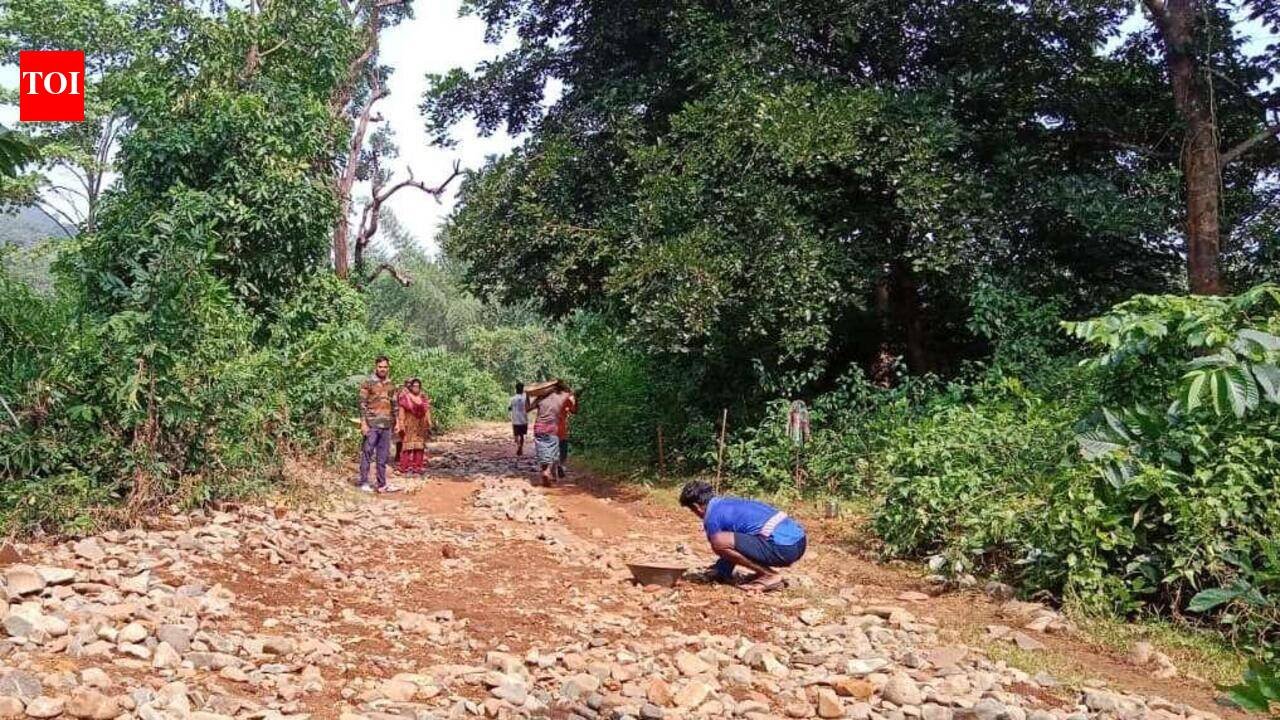
Bhubaneswar: Reopening of Similipal Tiger Reserve for tourists is likely to be delayed as large sections of its internal road network are in poor condition due to extensive damage caused by incessant rain during the monsoon.Wildlife officials said around 150 km of roads, 22 medium-sized culverts and seven bridges, including wooden ones, require urgent restoration before eco-tourism activities can resume.The tiger reserve, spread over 2,750 sq km in Mayurbhanj district, witnessed heavy rainfall over the past two months, severely affecting safari routes and key access roads used by visitors. This year’s damage is more extensive than last year’s, when reopening was also delayed due to weather-related deterioration.Similipal has an internal road network of nearly 1,000 km, of which about 100 km is earmarked for dedicated safari operations. However, tourists are allowed to travel on around 150 km of roads in the reserve. These routes must be restored to motorable condition before tourists can be permitted entry.“We have started the restoration work, which includes stone patching, laying red soil and repairing wooden bridges and culverts. We hope rain will not further disrupt the restoration work,” said Sumit Kar, deputy director of Similipal South division.Forest authorities have initiated a comprehensive assessment of the reserve’s entire road network. Repair and maintenance work would be carried out wherever necessary with special focus on safari routes regularly used by tourist vehicles. “Kucha murrum and soil are being used for repairs. We are reviewing the road condition across the reserve and ensuring safari roads are fit for vehicle movement,” Kar added.The reserve comprises a core area of more than 1,195 sq km and a buffer zone of about 1,550 sq km. Official sources said heavy rainfall was recorded across both regions this season, affecting several stretches of roads and drainage structures. Areas such as Nawana North and Barehipani, known for receiving high rainfall and hosting popular eco-tourism destinations, were among those impacted.Despite the damage, anti-poaching and wildlife protection activities remain unaffected. Authorities said all-terrain vehicles are being used for patrolling, while both vehicular and foot patrols continue across the reserve to ensure wildlife security.


