


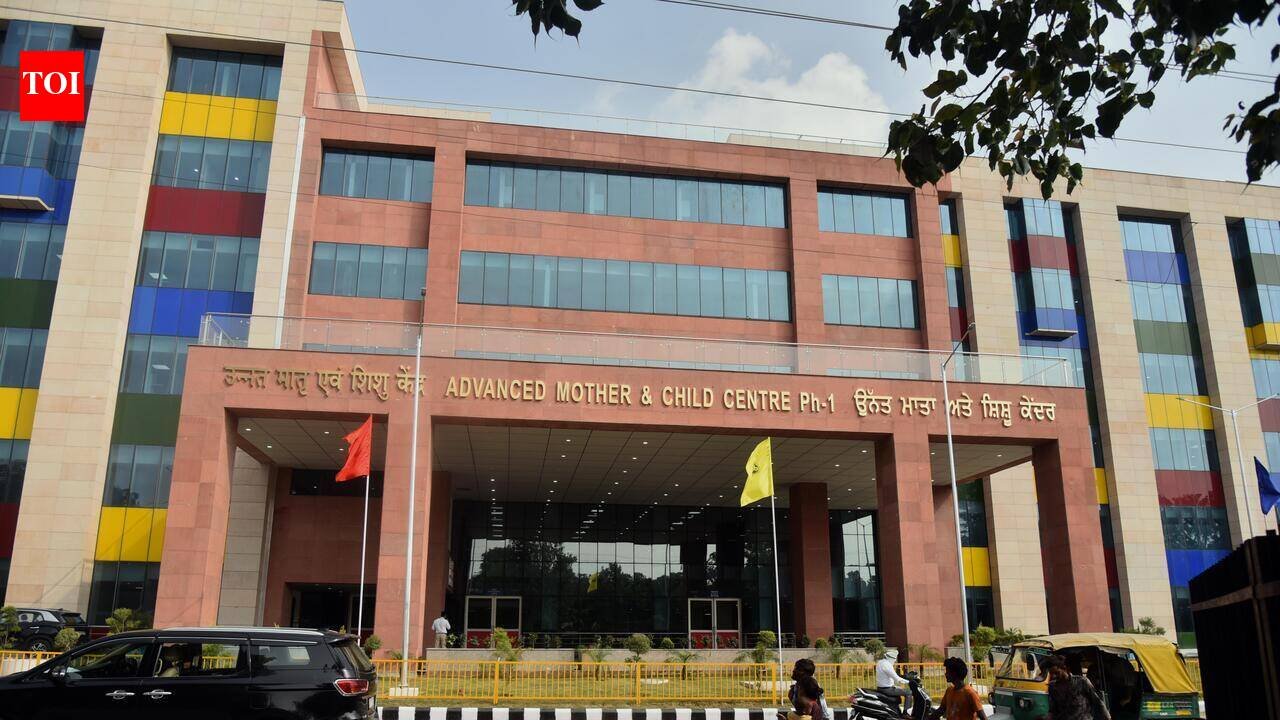
Chandigarh: PGI Chandigarh may publish fewer research papers than AIIMS New Delhi, but its research has a stronger citation impact in several key years, according to a recent study comparing the two premier medical institutions.The study, published in the journal, Information Research Communications, analysed SCOPUS-indexed research produced by the two institutions between 2015 and 2025.It found that AIIMS had a larger overall research output, while PGI recorded a higher long-term growth rate and higher average citations per paper during some years.The study was conducted by Kiran Baidwan and Deepika Tandon of the Tulsi Das Library at PGI.AIIMS published 29,807 papers during the 11-year period, compared with 21,889 by PGI. The researchers attributed AIIMS’s larger output partly to its greater size, wider international funding and multidisciplinary collaborations, including those with technology institutions such as IIT Delhi.PGI, however, recorded a slightly higher compound annual growth rate (CAGR) — the average annual growth rate over a period — at 7.2%, compared with 6.9% for AIIMS.The difference was more pronounced in citation impact during some years. PGI recorded its highest average citation rate in 2017, with 39.2 citations per paper, compared with 31 for AIIMS in the same year.The study also examined the contribution of individual faculty members. PGI’s most prolific researchers included S Grover, with 551 publications, P Malhotra with 546, and R Agarwal with 448. At AIIMS, N Tandon led with 433 papers, followed by R Lodha with 385 and M Tripathi with 396.However, AIIMS researchers recorded higher h-index scores among the leading authors. N Tandon had an h-index of 58, compared with 51 for PGI’s R Agarwal. The h-index is a measure that combines research output with the number of citations received by those publications.PGI also showed stronger growth in research output after the pandemic, recording a 17% increase in 2025, according to the study. AIIMS, meanwhile, saw greater fluctuations in its annual research output.The researchers said the findings reflected different strengths at the two institutions. AIIMS emerged as a larger, multidisciplinary research centre with extensive international networks, while PGI showed greater consistency in research growth and strong citation performance despite having a smaller overall output.The study also found that both institutions derived a significant share of their citation impact from participation in large international research collaborations. Highly cited papers from both institutions were associated with global projects such as the Global Burden of Diseases initiative and appeared in high-impact journals, including The Lancet and the New England Journal of Medicine.This highlighted the role of international scientific networks in boosting the visibility and citation impact of research from both institutions.BOX: PGI vs AIIMS: Research At A GlanceTotal output (2015-2025)AIIMS: 29,807 papersPGI: 21,889 papersLong-term growthPGI CAGR: 7.2%AIIMS CAGR: 6.9%Clinical medicineAIIMS: 85.8% of outputPGI: 88.9%Biochemistry, genetics & molecular biologyAIIMS: 13.7%PGI: 10.7%NeuroscienceAIIMS: 6.7%PGI: 5.5%Immunology & microbiologyPGI: 5.4%AIIMS: 3.6%Pharmacology, toxicology & pharmaceuticsBoth: 3.9%BOX: Who leads on citations?PGI’s strongest year: 2017 — 39.2 citations per paperAIIMS’s strongest year by total citations: 2020 — 31.1 per paperBOX: Funding fuels researchICMR: AIIMS — 1,611 papers; PGI — 796Institutional funding: AIIMS — 1,153 papers; PGI — 441US NIH: AIIMS — 448 papers; PGI — 175UK Medical Research Council: AIIMS — 194 papers
