



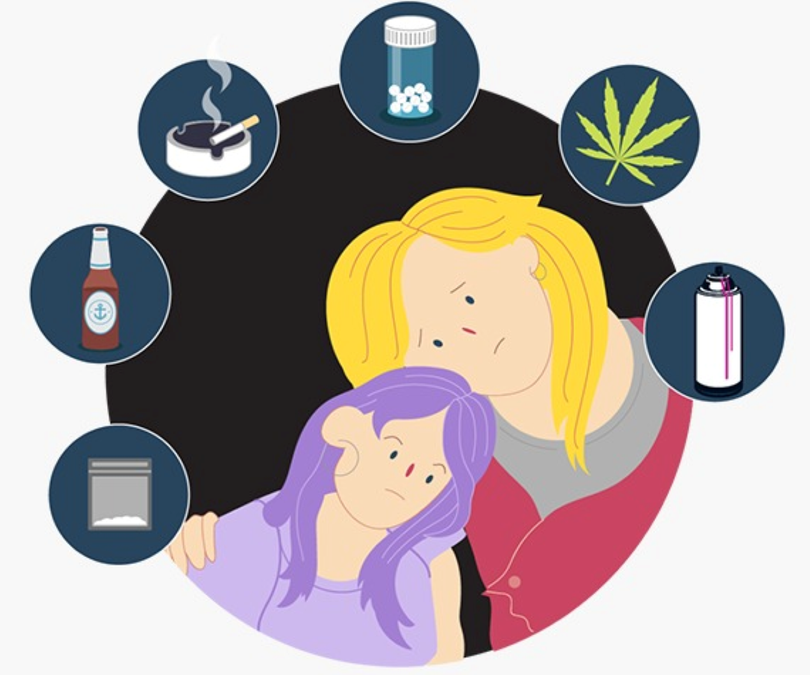
Srinagar, Jun 13: A deeply concerning picture of drug and substance abuse among school students in Srinagar has emerged from an extensive action research project that reveals peer pressure, curiosity and academic stress are increasingly pushing adolescents towards addiction, while awareness about rehabilitation and treatment facilities remains alarmingly low.
The study, titled “Drug and Substance Abuse in Secondary and Hr. Secondary School Students of District Srinagar – An Empirical Study for Prevention and Intervention,” conducted by Dr Sameena Wani, presently principal Government Girls Higher Secondary School Kothibagh, a copy of which is with the Rising Kashmir, was submitted to the Principal, DIET Srinagar and is being seen as an important academic effort to understand the growing drug menace among school-going children in Kashmir.
Based on a large sample of 3,100 students selected from 20 schools across Srinagar, the study paints a disturbing portrait of changing social realities in Kashmir, where narcotics and substance abuse are silently entering classrooms and teenage lives.
The research covered students from classes 9th to 12th from both boys’ and girls’ secondary and higher secondary schools across uptown and downtown Srinagar. Data was collected through detailed questionnaires involving students, teachers and Heads of Institutions and later analysed through the Statistical Package for Social Sciences (SPSS).
One of the most alarming findings of the study is the role of peer pressure as the leading factor behind drug abuse among students. According to the research, 46 per cent of boys in high schools and 68 per cent in higher secondary schools identified peer influence as the primary cause pushing students towards drugs.
Among girls, too, peer pressure emerged as the dominant factor, with 38 per cent of high school students and 43 per cent of higher secondary students acknowledging its impact. Academic pressure also surfaced as a major contributor among female students.
The study found that awareness regarding the causes and consequences of drug abuse remains uneven and inadequate. Less than 50 per cent of girls were aware of drug abuse, while boys showed relatively higher awareness levels.
Area-wise analysis revealed that students from downtown Srinagar displayed greater awareness about drug abuse compared to their uptown counterparts. Science stream students were also found to be more aware of the dangers of substance abuse than students from humanities and commerce backgrounds.
Though only a small percentage of students admitted to personally consuming drugs, a significantly larger number acknowledged knowing classmates or friends who were using narcotics and addictive substances.
As per the study, among boys, tobacco and cigarettes emerged as the most commonly abused substances, followed by morphine, opium and bhang. Similar patterns were observed among girl students, with tobacco ranking as the most abused substance.
Equally worrying is the lack of awareness regarding rehabilitation and treatment facilities. The study found that nearly 69 per cent of boys and 74 per cent of girls were unaware of any organisations or agencies dealing with the treatment and rehabilitation of drug addicts.
Dr Wani, through her research, has strongly advocated for urgent school-level intervention programmes and integration of anti-drug awareness into the regular curriculum.
The study recommends strengthening counselling systems in schools, involving parents and teachers more actively, and creating preventive mechanisms that can identify vulnerable students at an early stage.
The findings come at a time when Kashmir is witnessing increasing concern over drug addiction among youth, with educators, parents, religious leaders and civil society repeatedly warning that substance abuse is emerging as one of the most dangerous social challenges confronting the Valley.
The research underscores the urgent need for coordinated intervention, awareness campaigns and stronger institutional support to prevent an entire generation from falling prey to addiction.


