



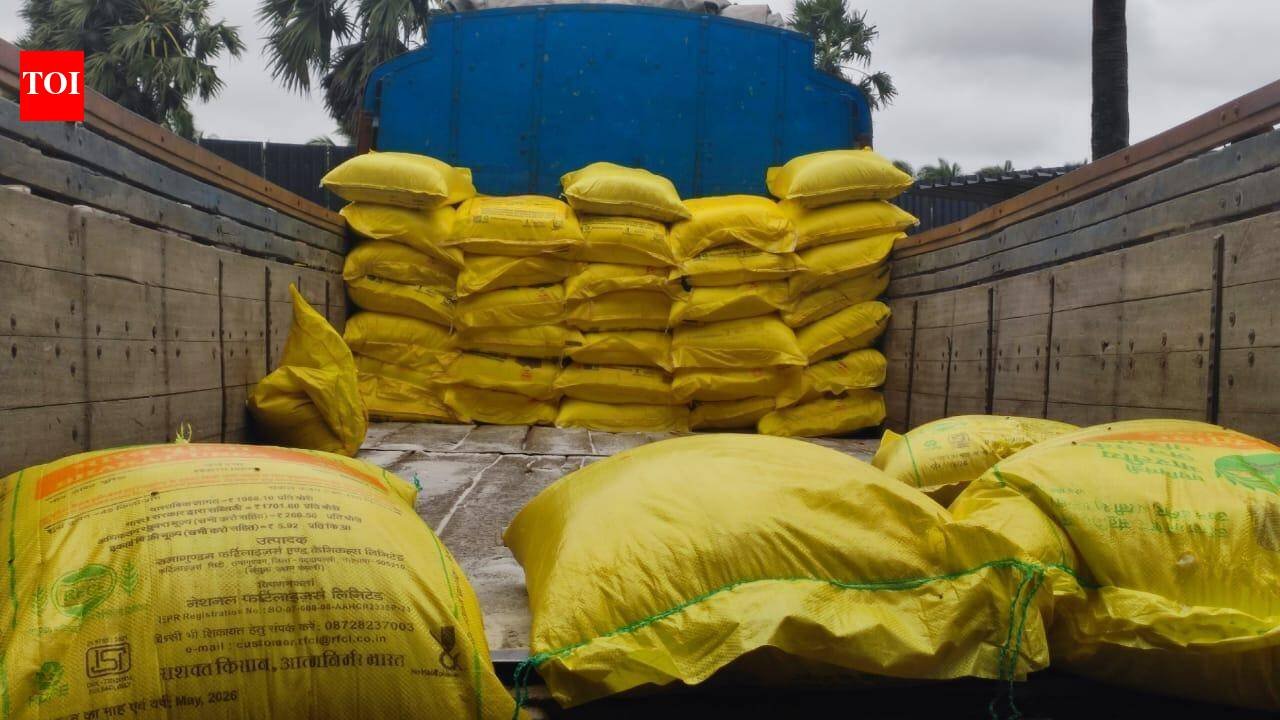
Chandigarh: A parliamentary standing committee has flagged diversion of subsidised neem-coated urea meant for farmers to industrial units in Punjab, calling it a serious violation involving misuse of subsidised fertiliser and fraudulent withdrawal of public subsidy. It has recommended dedicated monitoring, mandatory registration of industrial users and data-driven surveillance to curb the practice.The observations are part of the standing committee on Chemicals and Fertilizers’ 2025-26 report on implementation of the Fertilizer (Movement Control) Order, 1973, tabled in both Houses of Parliament.The committee said subsidised neem-coated urea (NCU), supplied to farmers at govt-regulated prices, was being diverted to plywood and resin manufacturing, diesel exhaust fluid (DEF) production and cattle feed units. Punjab, Rajasthan, Uttar Pradesh, Gujarat and Karnataka were among states where such diversion had been reported.In Punjab, Hoshiarpur, a major plywood manufacturing hub, was identified as a key destination for diverted agricultural-grade urea. Rajasthan had identified DEF units and resin factories as major users, while Uttar Pradesh was conducting regular raids on industrial units using NCU.The committee termed the diversion particularly serious, saying it involved “two simultaneous violations” — unlawful diversion of subsidised fertiliser from agricultural use and fraudulent withdrawal of fertiliser subsidy from the public exchequer.It also said mandatory neem coating, introduced to prevent industrial diversion, had failed to provide an adequate safeguard, with industrial users apparently adapting manufacturing processes or finding ways to circumvent the restriction.The panel recommended that the Department of Fertilizers, in coordination with state govts, establish a robust monitoring mechanism with real-time inputs to detect diversion. It also sought periodic analysis of Integrated Fertilizer Management System (iFMS) data to identify abnormal urea offtake in districts with plywood, resin, DEF and other urea-consuming industries.It further recommended mandatory registration of industrial urea users, with quantity limits linked to verified production requirements, to distinguish legitimate industrial consumption from diversion and enable action against violators.LACK OF UNIFORM SOPThe report also flagged the absence of a dedicated standard operating procedure (SOP) for enforcement under the Fertilizer (Movement Control) Order, 1973. While Clause 4 empowers authorised officers to act against suspected unauthorised movement, the committee said enforcement varied across states because no centralised SOP had been prescribed.


