



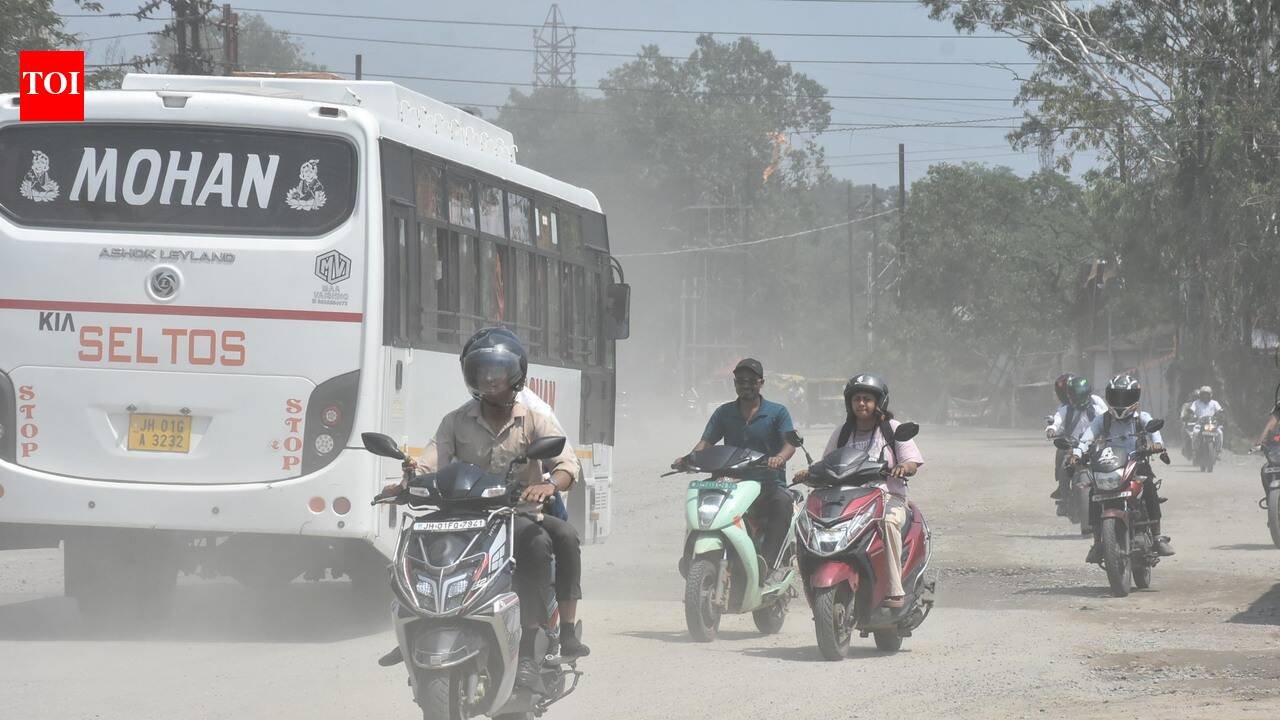
Ranchi: A limited air quality monitoring network in Ranchi, comprising just two stations located at traffic-heavy junctions, may have contributed to the city’s relatively poor showing in Swachh Vayu Survekshan 2026, pollution control board officials said.The city ranked 27th in the national clean air survey, improving three places from its 30th position in 2025. However, it remained below Delhi, which was placed 21st, prompting environmentalists to question the assessment framework.Jharkhand State Pollution Control Board officials said Ranchi’s air quality is currently recorded at monitoring stations at Albert Ekka Chowk and Birsa Chowk. Since both locations witness heavy traffic and congestion, the readings tend to reflect higher pollution levels and may not present a representative picture of air quality across the city, they said.The board plans to install additional monitoring devices across wider zones. Officials said a broader network would provide more balanced data and could moderate the city’s average pollution readings in future assessments.Environmentalist Nitish Priyadarshi said the rankings warranted closer scrutiny. “Ranchi was historically known for its pristine air. Urban expansion, deforestation, industrial emissions, construction and traffic have degraded its air quality, but it is difficult to accept that Ranchi fares worse than Delhi and several other major cities,” he said.Ranchi Municipal Corporation (RMC), meanwhile, attributed the three-rank improvement to targeted anti-pollution measures undertaken over the past year. These included identifying and clearing open garbage vulnerable points, tightening dust control norms during waste transportation, monitoring mechanical road sweepers, carrying out anti-smog mist spraying and expanding urban afforestation.RMC commissioner Sushant Gaurav said compactors were being used during transportation of waste to the Jhiri dumping yard to ensure that refuse remained covered. The corporation is also procuring more compactors and mist-spraying vehicles and expanding green belts.Under RMC’s ongoing Sakhua Mahotsav, more than one lakh sal saplings are proposed to be planted across Ranchi to help improve ambient air quality.“While the jump reflects progress, we still have 26 positions to climb to reach the top. Substantial effort lies ahead,” Gaurav said.Separately, the pollution control board has directed local industries to undertake teak plantations near their units to aid carbon sequestration and generate long-term economic returns.
