



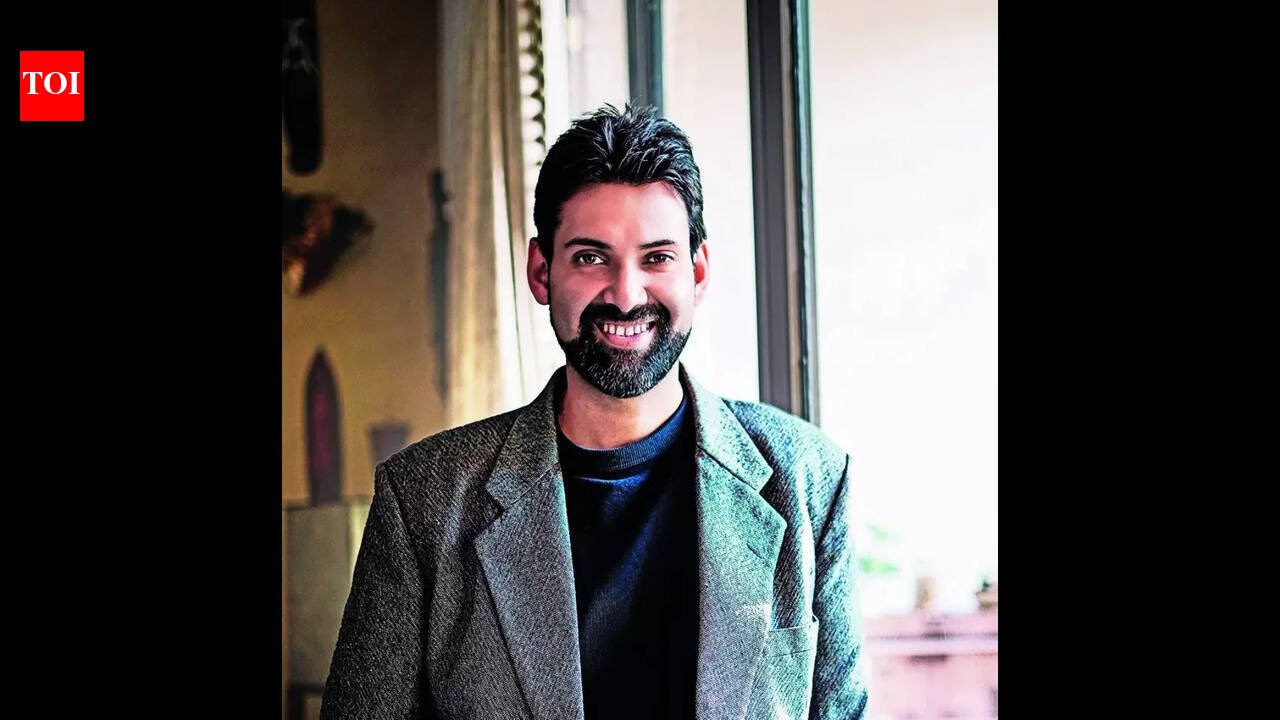
Even before the Ministry of Information and Broadcasting had mandated accessibility in films as a regulatory requirement starting March, Chandigarh’s Ojaswwee Sharma had stepped ahead of the curve. His film Rabb Di Awaaz (2023) had become the first multi-inclusive feature film in India. National award-winning director, Ojaswwee secured censor certification for the film across multiple accessible formats—standard, audio-described, and sign language. “When we took the film for certification in 2023, CBFC didn’t have any process, in terms of experts in the field, for multiple certifications and we were called back in February 2024 for the certification,” says Ojaswwee, adding, “In March 2024, when the govt rolled out info on accessibility, our film had already been awarded three censor certificates.” However, for the filmmaker, this wasn’t about breaking new ground. “We did this as moral responsibility. I see people as people, not as numbers. I travel 200 kms wherever my film is screened to meet my audiences – we cannot discrimination between who is able and who is not. We had to enable accessibility while for other filmmakers now it has become binding,” he says. “I found a problem gap wherein no deaf or blind person can enjoy any form of AV visual, and creators never cared for that cross section of population,” he adds.
Rabb Di Awaaz has travelled for over 275 free screenings across India and international festivals including educational institutions and inspired policy-level discussions, with Sharma later being invited by the CBFC to guide filmmakers on accessibility. The film has also received commendation from UN in India and UNESCO . Going beyond accessibility, Ojaswwee says the film is also truly inclusive. “The new policy doesn’t vouch for inclusion in cinema, it only mandates accessibility. Whereas, the lead protagonist in our film, Shiv is blind in real and portraying that on screen. Even Admitted (which won him the National Film Award), had a trans person playing their own roles,” he says.
However, the filmmaker says the govt policy is just the starting point for accessibility and the road ahead is not easy. He says, “Distributors will face major challenges in implementing this policy as theatres are not ready with infrastructure. Costing will be the biggest challenge. Second, marketing films by spreading awareness in the community that film is also for them, will make the real difference. And lastly, AI will come into play in a scramble to show compliance for the policy.” He signs off, “We want to send the message to all viewers irrespective of their ability or background, that they are valued as an audience.”


