



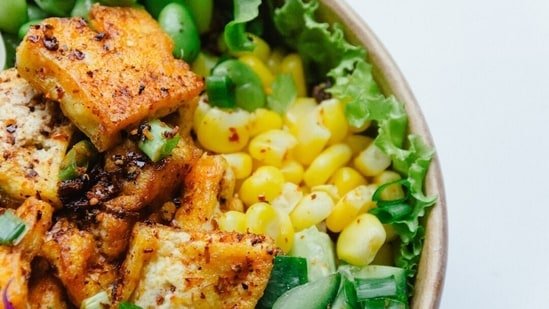
Vegetarian diets are often criticised for lacking adequate protein, leaving many people to rely heavily on familiar options like paneer and dal. While these foods do offer protein, depending on them alone may not be enough to meet your body’s needs. Contrary to the common belief that vegetarian food falls short on protein, there is actually a wide range of plant-based sources that are rich in protein and provide a diverse profile of essential amino acids. The key lies in knowing what to include – and building variety into your meals rather than sticking to just a few staples.
Khushi Chhabra, a holistic health nutritionist and wellness content creator, has highlighted a range of vegetarian protein sources beyond paneer that you can include in your diet. In an Instagram video shared on March 29, she addresses the common “protein dilemma” in vegetarian diets – pointing out that while many believe options are limited, there are actually several high-protein plant-based foods that often go overlooked.
Thinking beyond paneer
While paneer is a healthy option, Khushi points out that it’s far from the only high-protein vegetarian food available. Many vegetarians tend to rely heavily on paneer and dal to meet their protein needs, but a well-balanced diet should include a variety of sources to ensure a broader range of essential amino acids.
She explains, “Paneer is healthy. But paneer is not the only high-protein vegetarian food. Many people trying to increase their protein intake rely only on paneer and dal. But a well-balanced vegetarian diet includes multiple protein sources that provide better amino acid diversity, nutrient density, and metabolic support.”
Some high-protein vegetarian sources
Khushi highlights several protein-rich vegetarian foods that you can easily incorporate into your daily diet.
- Tofu – Derived from soy, this is rich in plant protein and calcium.
- Tempeh – This is fermented soy protein that supports gut health.
- Edamame – Edamame is a complete plant protein, providing all nine amino acids, and keeps you satiated for longer.
- Greek yoghurt or hung curd – These are rich probiotic sources and also high in protein.
- Quinoa – This is a complete protein grain with all essential amino acids, as well as complex carbs.
- Amaranth (Rajgira) – Amaranth is a protein-rich ancient grain with iron and fibre.
- Hemp seeds – Dense in protein, omega-3 fats, and minerals, hemp seeds also have high satiety value.
- Milk and dairy proteins – These are natural sources of whey and casein proteins.
The nutritionist emphasises that good nutrition isn’t about relying on a single protein source, but about building diversity across your meals. Including a variety of protein-rich foods can support better muscle recovery, aid fat loss, improve metabolic health, and enhance satiety – especially for those following a vegetarian diet.
Note to readers: This article is for informational purposes only and not a substitute for professional medical advice. It is based on user-generated content from social media. HT.com has not independently verified the claims and does not endorse them.


