






Healthcare has traditionally been designed around a simple sequence: symptoms appear, a patient seeks care, investigations follow, and treatment begins. NURA is approaching the equation differently. Its premise is rooted in what happens before symptoms become the starting point.
Founded with a focus on preventive healthcare, NURA, the AI Health Screening Centre, is building a model where advanced imaging, artificial intelligence and physician expertise come together to identify potential health risks earlier and make screening a more integrated experience.
NURA is designed around the concept of detecting potential health risks before a symptom appears, taking action before pain sets in and encouraging behavioural changes that can help prevent minor concerns from becoming serious health issues.
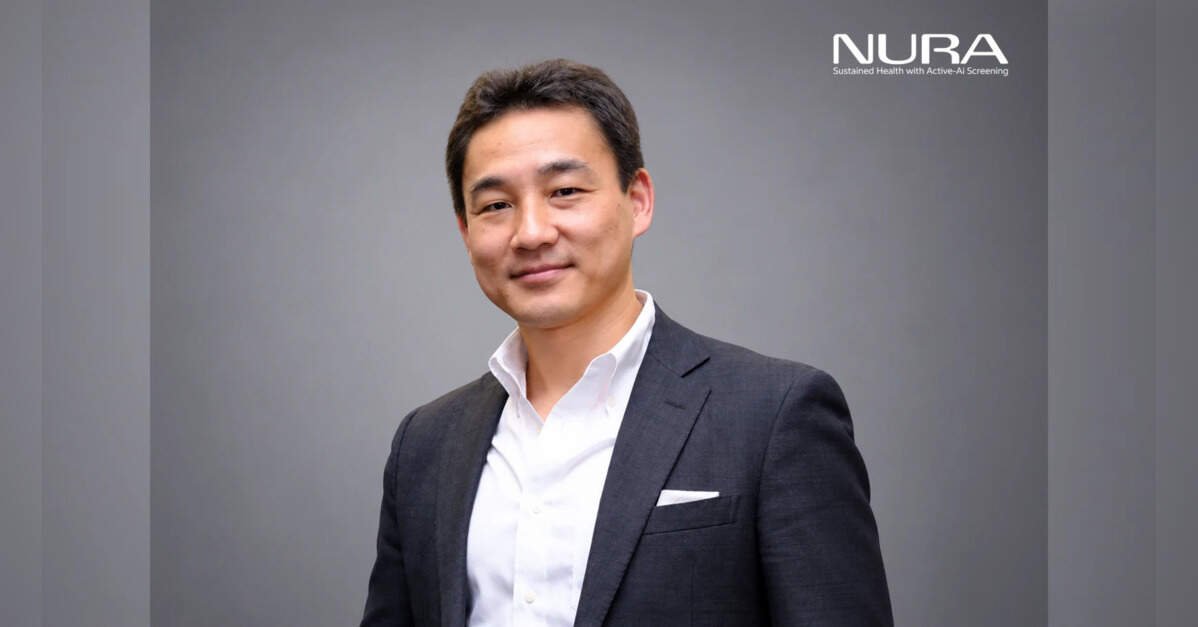
This approach has now received recognition at the ET Healthcare Awards 2026, where NURA was recognised across two categories: AI-Led Diagnostics Excellence and Best Use of AI in Hospital Operations. For Masaharu Morita, Founder and Program Director, the significance lies in the fact that the two recognitions represent complementary sides of the same vision.
At NURA, AI is not positioned as a standalone diagnostic tool. It is embedded within a broader preventive healthcare ecosystem. On the clinical side, it supports image reconstruction, analysis and the identification of early risk indicators. On the operational side, it connects screening, reporting and clinical workflows more efficiently. Yet, at the centre of this technology-led model remains a distinctly human principle: AI augments clinical expertise rather than replacing it.
From Screening to Earlier Signals
One of the fundamental challenges in preventive healthcare is that several health risks can develop silently, without obvious symptoms. NURA addresses this gap by bringing together AI-assisted imaging, ultra-low-dose CT, laboratory investigations and physician expertise within a single screening journey.
The approach that enables NURA to do more is the use of AI. If there were 100 people in front of us, perhaps only 2–3 would be sick. Hospitals are organisations designed to treat those 2–3% of the population, rather than accommodate the 98% who are healthy. This is precisely why screening centres are now necessary. The same applies to healthcare professionals; they simply do not have the manpower to screen 98% healthy people. AI can help bridge that gap, enabling healthcare professionals to process more information and support more people without compromising the role of human expertise.
Its technology can assist in enhancing image quality and identifying or quantifying indicators across areas including coronary artery calcium, visceral fat, fatty liver, pulmonary abnormalities, vascular calcification and bone density. These insights give physicians a broader set of information to evaluate and help draw attention to findings that may warrant closer clinical assessment.
The objective is not simply to produce more data. It is to create the possibility of recognising risk earlier, before symptoms become the trigger for action.
Engineering a Two-Hour Healthcare Experience
Technology alone, however, does not create a meaningful healthcare experience. NURA has therefore redesigned the screening journey itself.Registration, laboratory investigations, imaging, AI-assisted analysis, reporting and physician consultation are coordinated as an integrated workflow rather than a series of disconnected appointments. Different processes can progress efficiently without every stage having to wait for the previous one to conclude.
AI supports image reconstruction, image analysis and structured reporting, while standardised protocols help maintain consistency. The result is a screening experience that can typically be completed within 120 minutes, with the guest receiving a physician consultation and digital report during the same visit.
Behind that speed is not an attempt to remove clinical oversight, but to remove unnecessary friction from the process.
Keeping the Physician at the Centre
The human-AI relationship is particularly important when technology enters clinical decision-making.
Once an image is captured, Fujifilm’s AI technologies assist with image processing and highlight patterns or areas that may require closer attention. These findings are considered alongside laboratory results and other screening information. Qualified doctors then validate and interpret the findings within the appropriate clinical context.
The final interaction remains physician-led. The doctor explains the results, answers questions and guides the guest on appropriate next steps.
This distinction is central to NURA’s philosophy: automation can accelerate the process, but clinical judgement remains human.
What Real-World Data Is Revealing
As NURA’s screening model has expanded, it has also created a growing real-world base of clinical and operational insights. The organisation has now completed more than 82,000 screenings and identified over 27,000 critical findings.
That experience has reinforced the value of integrating AI into the wider clinical workflow rather than treating it as an isolated technology. AI can help physicians process large volumes of imaging information, identify patterns and standardise measurements, while also supporting more efficient reporting.
NURA tracks impact through measures including turnaround times, reporting consistency, workflow efficiency and utilisation of clinical resources, alongside the identification of early risk indicators and findings requiring further medical attention.
Operationally, AI also helps reduce repetitive manual processes and supports the movement of information across different stages of screening. Combined with standardised clinical protocols, structured workflows and quality assurance mechanisms, this becomes increasingly important as the organisation expands across centres.
The Next Chapter of Preventive Healthcare
NURA’s next phase is centred on expanding access while deepening the role of AI in preventive healthcare. Areas of focus include AI-assisted image reconstruction, biomarker analysis, predictive diagnostics, structured reporting and digital health platforms.
Perhaps the larger opportunity lies in moving from one-time screening towards longitudinal preventive care, where individuals can use digital insights and follow-up to understand how their health changes over time.
The organisation plans to continue expanding across India while exploring international opportunities. Corporate wellness and partnerships with healthcare providers and insurers are also emerging as important areas of growth.
The larger story is therefore not simply about bringing AI into a screening centre. It is about changing the moment at which healthcare begins. By combining advanced technology with structured workflows and physician-led interpretation, NURA is working towards a model where healthcare can become more proactive, more informed and increasingly focused on identifying risk before it becomes a clinical crisis.
This article is authored by Masaharu Morita, Founder and Program Director, NURA- AI Health Screening Centre.
Disclaimer: The above content is non-editorial, and TIL hereby disclaims any and all warranties, expressed or implied, relating to it, and does not guarantee, vouch for or necessarily endorse any of the content.


