



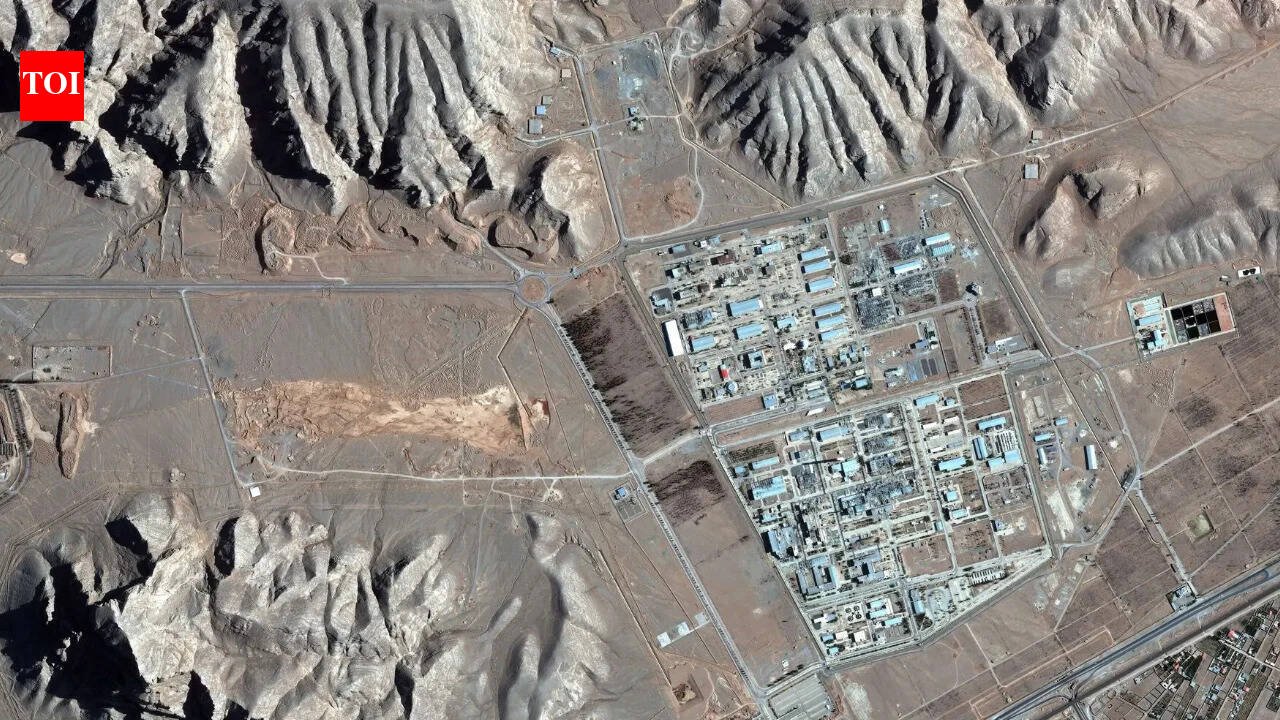
Iran appears to have begun repairing and rebuilding parts of its nuclear infrastructure weeks after the US-Israel strikes, according to newly available satellite imagery. This can be a development that raises fresh questions over whether Tehran is complying with the memorandum of understanding (MoU) it signed with the United States in late June.An investigation conducted by CNN in collaboration points to activity at key nuclear and missile-related sites, even as other major nuclear facilities remain largely untouched.According to the report, one of the most significant developments has been observed at the Parchin military complex, a site that Western intelligence agencies have long linked to research involving high explosives with potential applications in nuclear weapons development. Satellite imagery indicates that Iran has begun repair work at parts of the site damaged during the US-Israeli bombing campaign earlier this year. Experts cited by CNN said the activity appears consistent with efforts to seal strike craters inflicted by US strikes on the nuclear sites in June 2025.The report also highlights renewed activity at an underground facility within the Parchin complex, where vehicles have reportedly been seen entering and exiting tunnel systems in recent weeks.According to the report, any work aimed at advancing or restoring nuclear-related infrastructure at the site could be inconsistent with the commitments Iran made under the MoU with Washington.The agreement, signed in late June following weeks of military escalation, was intended to freeze Iran’s nuclear activities and prevent further advancement of its programme. It required Iran not to procure or develop nuclear weapons and to maintain the status quo on its nuclear programme, while opening the door for de-escalation between the two countries.However, the future of that understanding has become increasingly uncertain after US President Donald Trump authorised fresh military strikes on Iranian targets, signalling that the diplomatic arrangement may have effectively collapsed.While activity has been detected at Parchin, the satellite imagery suggests that several of Iran’s better-known nuclear facilities have not undergone significant visible changes. The report says there has been little evidence of reconstruction or major work at the Isfahan nuclear complex, the underground enrichment facility at Fordow, or the Natanz enrichment site, all of which were among the locations targeted during the conflict.The imagery instead indicates that Iran appears to be prioritising selective restoration efforts. Apart from nuclear-related locations, repair work has also reportedly begun at several missile bases, including sites near Tabriz and Kermanshah, where infrastructure linked to storage tunnels is being cleared and restored.Some airbase facilities have also shown signs of repairs following strike damage.The findings come after weeks during which access to commercial satellite imagery over parts of Iran was restricted, limiting independent assessments of damage and reconstruction efforts. As newer imagery has become available, analysts say it offers one of the clearest indications yet of how Tehran is choosing to restore critical military and strategic facilities following the conflict.


