



Dementia is a progressive and irreversible neurological condition that causes severe cognitive decline. It is infamous for being incurable to date, even though there are existing management strategies.
Also Read | Fitness coach shares 5 worst foods for people over 40: ‘Your biology is changing’
However, prevention is always better than cure, especially in the case of such a disorder. And to help with that, Dr Rupa Juthani, a US-based neurosurgeon specialising in pituitary and skull base tumour surgery as well as Gamma Knife radiosurgery, took to Instagram on March 22 and explained why one should consider wearing earplugs while attending concerts or places with loud noise.
In her own words, “Hearing loss is the number one modifiable risk factor for dementia. Even short exposure to high volumes can lead to permanent hearing damage. Wearing simple earplugs at a concert can reduce exposure to safe levels.”
How concerts damage the ear
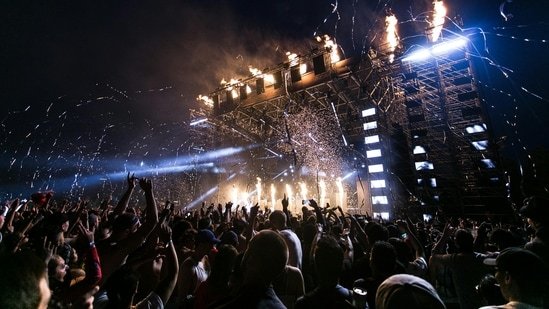
After getting out of a concert arena, one often experiences a ringing sensation in their ears, and all sounds appear muffled. While it is usually considered to be a temporary annoyance, according to Dr Juthani, it is a sign of nerve damage.
She explained what happens inside the ear at a concert, saying, “When sound exceeds approximately 85 dB, it starts mechanically stressing the hair cells in your cochlea. The first response is a Temporary Threshold Shift, which means hearing dims, tinnitus (ringing) kicks in, and it typically clears within 16 to 48 hours.”
However, even short exposures such as this can lead to permanent hearing loss, she warned. “All it takes is minutes in a loud environment to trigger this event.”
Dr Juthani cited a 2009 study published in the Journal of Neuroscience to state that even “recoverable” exposures to loud noise can cause permanent and rapid loss of hearing nerve function, which leads to hidden hearing loss. Repeated exposures make the temporary shifts permanent. Hair cells die, and they cannot regrow.
How does hearing loss affect the brain?
Dr Juthani revealed that the hearing loss has been identified at “the single largest modifiable dementia risk factor from midlife” by the Lancet Commission on Dementia (2020 and 2024).
“A meta-analysis of 1.5 million people found dementia risk rises 16 percent for every 10 dB of hearing loss,” she elaborated. “Concerts routinely hit 100 to 110dB.”
Simple foam earplugs are inexpensive yet effective in protecting the ear against damage. “Fashion-conscious wearers can invest in decorative ones. Musicians use earplugs that preserve sound quality while cutting the damage,” she shared.
“Protecting hearing is protecting your brain,” insisted the neurosurgeon.
Note to readers: This article is for informational purposes only and not a substitute for professional medical advice. Always seek the advice of your doctor with any questions about a medical condition.
This report is based on user-generated content from social media. HT.com has not independently verified the claims and does not endorse them.


