





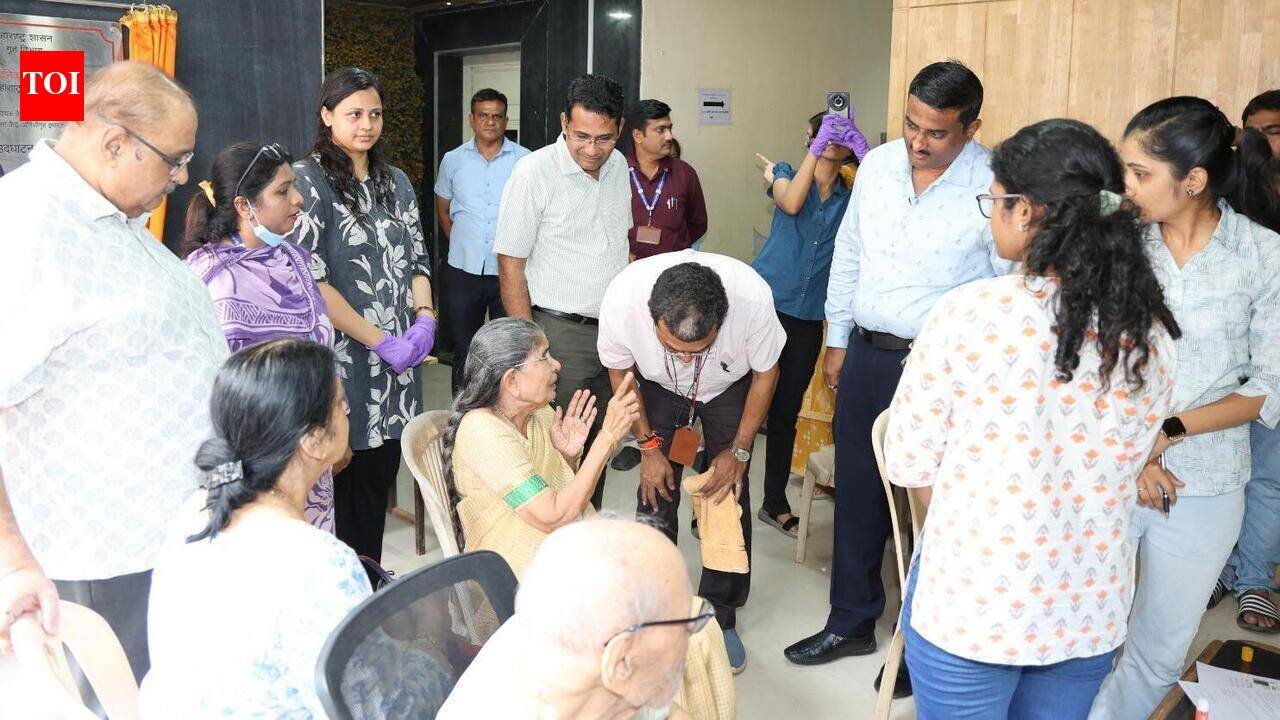
Nagpur: Maharashtra’s Forensic Science Laboratory completed DNA profiling of 65 samples collected from relatives in 72 hours, giving the reference maps needed to identify bodies recovered after the devastating flash flood of Aug 26 in Nepal.Thousands are still missing. Most of the missing persons from Maharashtra are from Mumbai, said a source. DNA profiling began after the state received a list of 62 Maharashtra residents missing after the tragedy from the disaster management task force. Relatives of 43 people on the list came forward and gave 57 samples at Kalina laboratory.Four more families, whose names were not on the list, provided eight samples, taking the total to 65, said the sources.Many recovered bodies are mutilated or already decaying. Faces or clothes could not be used for identification. “Only a DNA match with a parent, child or sibling can confirm identity of the victims and ensure the families are handed over remains of their kin,” said a senior official. “The families which arrived for submitting samples were already in shock, and the window was tighter. Completing 65 profiles in 72 hours will hold greater significance when the bodies finally come home,” the official added.An earlier plan to send relatives to the nearest govt hospital caused panic and long queues, sources said. The directorate then asked the families to come directly to Kalina laboratory. Sources said some relatives travelled overnight from places like Pune and Nashik, while some also brought elderly parents.Doctors from Nair Hospital, Mumbai, and govt hospitals in Pune and Nashik joined forensic staff on campus, collected the blood and handed over the tubes for analysis.Sources stated that staff under director of Forensic Science Laboratories, Vijay Thakare, began work for sampling, collecting, analysing and assessing on Thursday. “Extraction, profiling, checking and reporting continued through Friday, Saturday night and Sunday morning. The reports were ready by Sunday evening,” said an official, adding, “Staff kept the counters open, explained the process once and moved samples without a pause. There was no backlog.”The outcomes of the DNA sampling of the relatives would be sent on mail to concerned forensic agency of the govt of India. Later, the result would be forwarded to the Indian and Nepal embassies.A 19-member Indian team, from National Forensic Sciences University, Directorate of Forensic Science Services and Central Forensic Science Laboratory, are working with Nepal Police at two laboratories in Kathmandu Valley. They are taking samples from the bodies. They will now compare those traces with the 65 samples profiled in Mumbai.Maharashtra FSL had earlier handled identification of victims in blasts at explosives manufacturing units near Nagpur and Samruddhi expressway accidents.


