



The first major retreat came in 2015 when the government sought to amend the land acquisition law to make it easier to acquire land for infrastructure and industrial projects.
The move triggered widespread opposition from farmer organisations, opposition parties and several NDA allies, who argued that the changes diluted existing safeguards and were anti-people. The government eventually allowed the proposal to lapse. Modi announced that the existing law would remain unchanged.
Three years later came the first ministerial resignation under public pressure.
In October 2018, then minister of state for external affairs M J Akbar resigned during the Me Too movement after several women accused him of sexual harassment during his days as an editor. Akbar denied the allegations but stepped down.
The government’s biggest policy reversal came in November 2021 when Modi announced the repeal of the three farm laws.
The laws triggered a yearlong agitation, with thousands of farmers camping at Delhi’s borders demanding their withdrawal. Although the government consistently defended the reforms, it eventually gave in, with Parliament passing the repeal legislation.In August 2024, the Centre withdrew a UPSC advertisement for lateral recruitment to senior civil services after objections from opposition parties and NDA ally Lok Janshakti Party (Ram Vilas) over the absence of reservation provisions.
Another retreat followed in November 2025 when the government decided against introducing the Constitution (131st Amendment) Bill after facing strong political opposition, particularly from parties in Punjab, which argued that the proposal would dilute the state’s political representation.
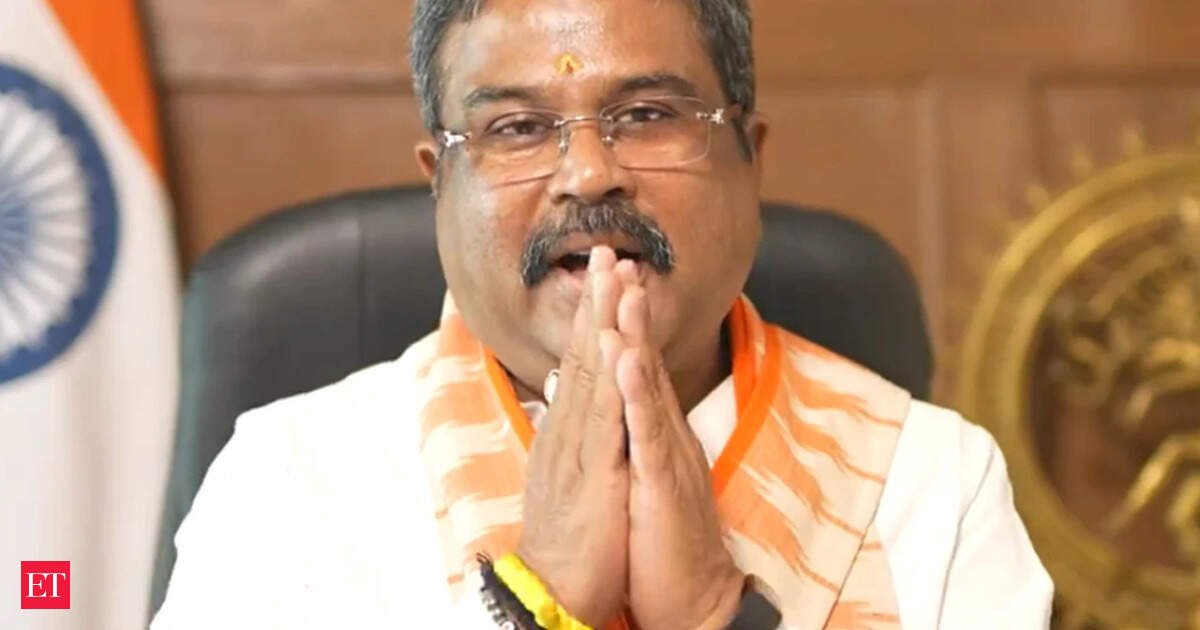
Pradhan’s resignation on Saturday marks the latest instance of the government conceding to pressure.
The resignation came after weeks of protests over the leak of the NEET question paper and several suicides that came in its wake.
The Cockroach Janata Party (CJP)-led agitation had made Pradhan’s resignation its principal demand, and after multiple rounds of talks with the protesters and a series of policy announcements, the Centre accepted it.


