






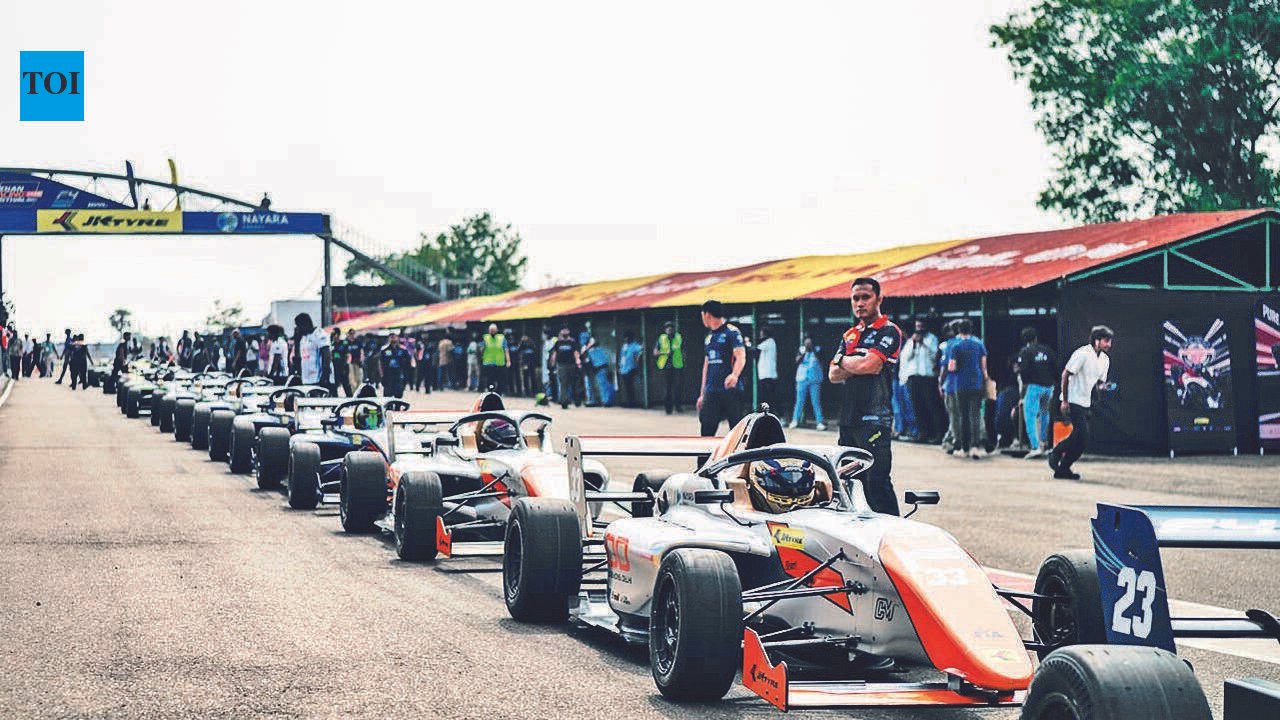
Motorsport is having a moment in the state. Chennai and Coimbatore, the key corridors, are seeing a wave of interest in racing academies and institutes, with participation rising among both professional aspirants and amateurs who simply want track time.It is creating demand for track infrastructure, rider management firms and marketing, along with custom manufacturing, specialised engineering talent and technical support roles. Govt interest in hosting world championships has added to the conditions. Tamil Nadu govt recently announced plans to build motorsport infra and develop talent, while the union govt has constituted a task force to bring Formula 1 races to the country. Industry representatives believe the interest has reached a tipping point and is turning into an organic cultural phenomenon.Rajini Krishnan, nine-time national champion who runs RACR academy, said the growth is driven by social media. “Professionals at different age groups, enthusiastic about racing come to fulfill dreams or experience circuits. Enthusiasts buying superbikes are enrolling in the academy’s courses to gain track skills and ride more maturely on roads. Kids starting from ages 12 and 13 and young adults join academies for structured training to transition into national-level racing.”Competitive pathways are emerging for children as young as four, he said, with OEMs such as TVS and academies starting junior programmes. This aims to bridge the six-to-eight-year gap against international practice from Asia to Spain, and will allow India to produce globally competitive talent, he said.Nagarajan Thangaraj, chief event manager at Madras Motor Sports Club (MMSC) at Irungattukottai, India’s oldest track and one of three certified tracks in the country, said entries have risen sharply. “Entry numbers have jumped 30% to 40% compared to previous years, with a spike in participant entries across both car and bike categories. Existing teams run training sessions nationwide, bringing in competitors from across India.” MMSC is to open a CIK-certified karting track for two-wheeler training for kids from age eight in partnership with TVS., structured as a domestic feeder pipeline aligning Indian youth with platforms like the MiniGP World Series. On the govt move, he said, “Hosting international events will help the domestic ecosystem and expansion of the overall market will be a boost for the ecosystem.”There has been a shift over the last decade, with more people willing to spend time and money experiencing motorsport rather than just watching it, says Narain Karthikeyan, India’s first F1 driver, who is involved in OEM testing and driver development. “We see more karting tracks, racing schools, championships and arrival-and-drive programmes, while social media and digital broadcasting have made the sport more visible. We must convert this interest into a structured pathway, from recreational karting, to competitive karting, to cars and eventually international racing.”TN has been central to Indian motorsport, with two of the country’s Formula One drivers, Karthikeyan and Karun Chandhok, hailing from the state. “There are OEMs, component manufacturers, engineering companies, testing facilities and a large pool of technically skilled people in the region. That creates an ecosystem around motorsport because racing itself is not only about the driver; it involves engineers, fabricators, machinists, electronics specialists, tyre specialists, logistics and many other disciplines. Coimbatore is also a good example. Its motorsport culture developed alongside its engineering and automotive ecosystem, and that environment played an important role in my own development as a driver,” he said. The opportunity now is to connect the automotive industry more closely with motorsport as a platform for engineering development, skills and employment, he added.Tharunkumar S, executive director of Kari Motor Speedway, the internationally certified circuit in Coimbatore, said tracks operate near capacity, with weekday OEM and EV startup testing accounting for up to 60% of utilisation. Manufacturers, particularly new-age startups, rely on circuits for vehicle dynamics, battery performance and component R&D such as suspension. “The track business models have expanded from racing events into open track, arrive-and-drive days for enthusiasts, and corporate brand events such as smartphone launches featuring drift shows. OEM weekday revenue subsidises academy track costs,” he said.Tharunkumar is also involved in making custom go-karts, pocket bikes and racing kit bikes for younger children, and says demand is palpable. Technical and R&D consultancies for OEMs, trained test riders and data-logging can offer additional revenue streams for stakeholders, he added.The size of the industry is not known, but a KPMG report pegs emerging sports such as motorsport, table tennis, tennis, rugby and chess as a collective $500 million opportunity. It also notes the pull of street circuit events and motorsport having among the top 10 in the country’s social fan base beyond cricket. Despite the momentum, industry insiders believe corporate sponsorship, audience viewership and infrastructure are lacking, and expect more companies to back drivers at the grassroots level.


