



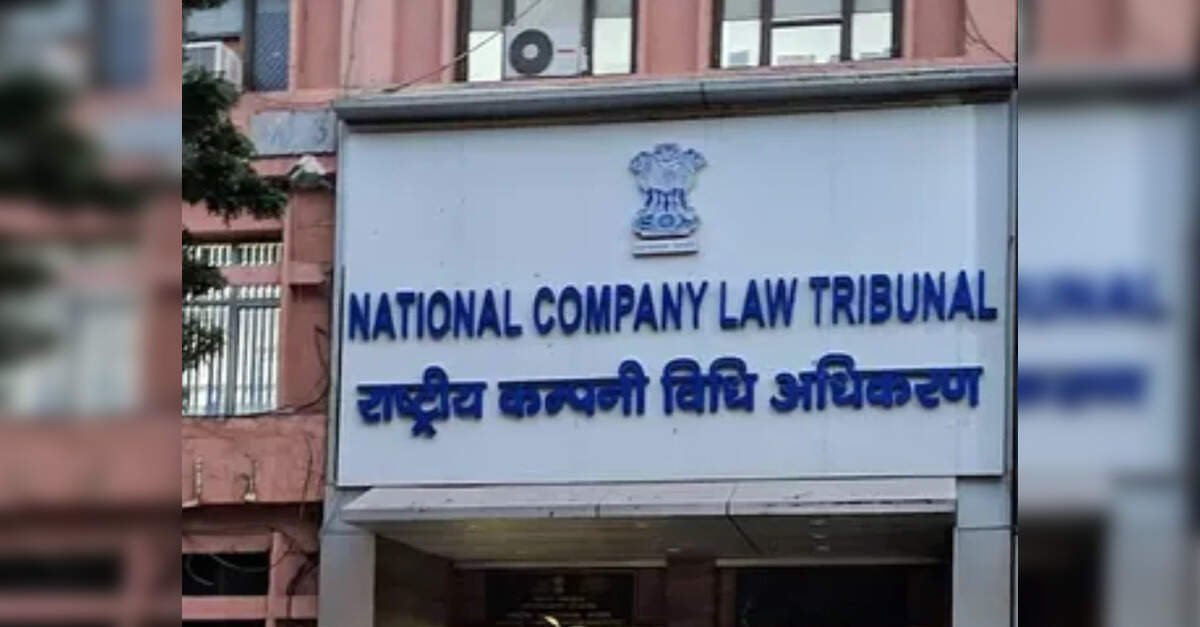
The National Company Law Tribunal (NCLT), New Delhi has made a fresh reference to the president of the tribunal in the insolvency proceedings against Essel Group founder Subhash Chandra after the bench found that no majority view had emerged on the repayment plan proposed for the personal guarantor.
The order was passed on August 31 by a bench comprising member (judicial) Ashok Kumar Bhardwaj and member (technical) Reena Sinha Puri in the insolvency proceedings initiated by Indiabulls Housing Finance against Chandra under Section 95 of the Insolvency and Bankruptcy Code (IBC).
The bench was considering a report submitted under sections 112 and 113 of the IBC concerning the repayment plan.
The matter had earlier resulted in divergent views. The member (judicial), in the original order, had proposed confining the repayment plan to creditors who had voted in favour of it, while giving financial institutions, banks and other dissenting creditors liberty to pursue recovery of their debts outside the plan.
The member (technical) had rejected the repayment plan. Meanwhile, the third member approved the plan but took a different view on its effect, holding that the plan would extinguish the claims of all creditors, including banks and financial institutions.
The present bench noted that the judicial member and the third member had the same understanding of section 79(2)(g) of the IBC but differed on the manner in which section 115(1) should be applied.
According to the order, the judicial member had applied section 115(1) only to creditors who assented to the repayment plan, whereas the third member applied the provision uniformly to all creditors. The NCLT said this distinction had a “vital difference” in the ramifications of the repayment plan.
The bench also highlighted the difference between the two approaches. Under the judicial member’s view, dissenting banks and financial institutions would retain the liberty to pursue recovery of their debts. In contrast, the third member’s view involved approval of the plan while extinguishing the claims of all creditors.
The order further records that the judicial member had taken a narrower view of the adjudicating authority’s jurisdiction, holding that the order was to be passed on the basis of the resolution professional’s report of the creditors’ meetings under section 112, with limited scope to question the report. The third member disagreed with this position as well as the views of the technical member.
The NCLT noted that while the technical member rejected the plan, the judicial member confined it to creditors who had approved it and preserved the recovery rights of dissenting creditors. The third member, on the other hand, approved the plan and extinguished the rights of all creditors by applying Section 115(1) uniformly.
“All said and done, no majority view has emerged in the matter,” the bench observed.
The NCLT said it could not pass an order at this stage and had “no option” but to make a fresh reference to the President under section 419(5) of the IBC.


