



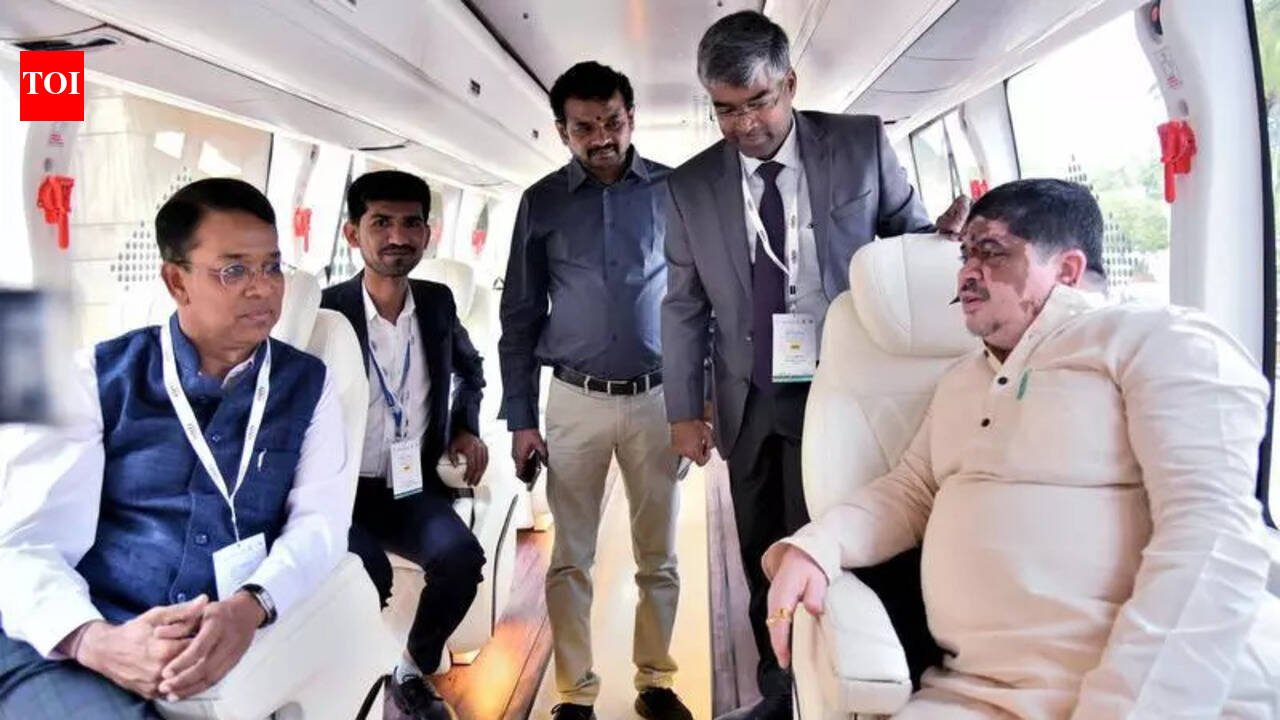
Hyderabad: India’s urban mobility challenges — from last-mile connectivity to clean energy transition — took centre stage at the second National Mobility Summit 2026, with policymakers and industry stakeholders calling for integrated, affordable and technology-driven transport systems to address the issue.The summit, held in Hyderabad on Tuesday, brought together govt officials, transport authorities and private players, focusing on practical solutions to improve accessibility, reduce congestion and accelerate sustainable mobility.“Mobility today is no longer just about moving vehicles and people. It is about enabling economic growth, ensuring public safety, improving quality of life, and building sustainable cities for future generations,” said K Ilambarthi, Telangana’s transport commissioner, while speaking on a panel on last-mile connectivity. “Bridging last-mile connectivity is critical to improving public transport usage. Without reliable feeder systems, even the best metro or bus networks cannot achieve their full potential,” he added.Mansi Tayal from Uber India noted the role of shared mobility and platform-based services in improving last-mile access, particularly in densely populated urban areas. Jeevan Babu, managing director, Hyderabad Unified Metropolitan Transport Authority, highlighted how integrated planning is key to urban mobility. “Cities must move towards unified transport systems where metro, buses and intermediate transport operate as one network,” he said.Another panel focused on digital platforms and their role in enhancing accessibility. Vivek Krishna, vice president (finance), Rapido, said, “Digital platforms are playing a critical role in improving last-mile connectivity, enabling real-time access to transport services, and making mobility more affordable and accessible for users”. He added that Hyderabad has not only embraced innovation but has actively enabled it. Today it proudly stands as Rapido’s largest and one of its most successful markets in India, driven by progressive policymaking, administrative openness, and a shared commitment to addressing urban mobility challenges, he added.Inaugurating the summit, transport minister Ponnam Prabhakar highlighted Telangana’s EV policy and the expansion of electric public transport. He said the state is focusing on cleaner mobility solutions, including electric buses and alternative fuel-based last-mile transport, to reduce pollution and improve urban air quality.“The Telangana govt introduced a progressive EV policy with tax and registration exemptions until 2026, which has already helped drive the sale of around 1.55 lakh EVs in the state. To reduce pollution and promote sustainable mobility, the govt is expanding electric mobility in Hyderabad, including the introduction of electric buses and encouraging cleaner alternatives for auto-rickshaws,” the minister said.


