



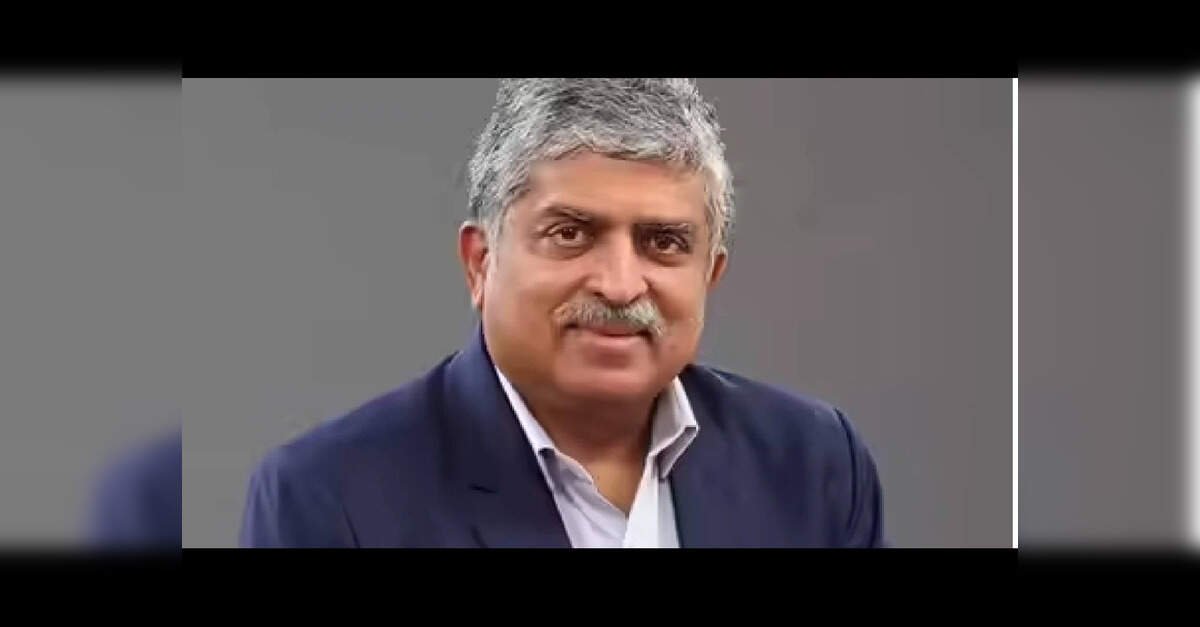
New Delhi: Seeking to restore public confidence in India’s examination system after the NEET crisis, the Centre has constituted a high-powered multidisciplinary task force headed by technology expert Nandan Nilekani to recommend structural and technology-driven reforms for the National Testing Agency (NTA).
The move marks the government’s most significant institutional intervention since the controversy surrounding the NEET examination, signalling a shift towards technology-enabled, transparent and secure conduct of high-stakes entrance tests. The task force is expected to recommend a roadmap for strengthening examination governance, improving operational efficiency and enhancing the integrity of India’s testing ecosystem.
Bringing together expertise from technology, national security, education, science and public administration, the panel comprises Nandan Nilekani, former ISRO Chairman S. Somanath, former Intelligence Bureau Director Tapan Deka, IIT Madras Director V. Kamakoti, former School Education Secretary Anita Karwal, and logistics expert Amrit Lal Meena.
The multidisciplinary group has been tasked with examining both technological interventions and structural reforms to strengthen the NTA’s examination ecosystem. Its recommendations are expected to focus on improving the reliability, transparency, security and governance of examinations conducted by the agency, which administers some of India’s largest entrance tests, including NEET, JEE Main and CUET.
Announcing the initiative, Prime Minister Narendra Modi said India’s examination system must become more reliable, transparent and technology-driven.
“Our test method should be reliable. Our test method should be transparent. Our test method should use the most technology,” the Prime Minister said, adding that the recommendations of the task force would help improve the credibility of future examinations.
Referring to the government’s action against examination malpractices, Modi said those who had “played with the future of students” were in jail, that fast-track courts had been established to deal with such cases, and that the government was moving ahead with stricter legal provisions against examination-related offences.
The constitution of the panel comes amid a wider overhaul of the examination ecosystem. Following the NEET controversy, the Centre has initiated administrative restructuring within the education ministry and the NTA, tightened oversight mechanisms and introduced measures aimed at improving the credibility of high-stakes examinations.
Education experts say the composition of the panel reflects a multidisciplinary approach, combining expertise in digital public infrastructure, cybersecurity, intelligence, scientific research, school education and large-scale public administration. The government’s emphasis on technology is expected to shape the next generation of examination reforms, with a focus on preventing malpractice, strengthening system resilience and rebuilding public trust in national entrance examinations.


