



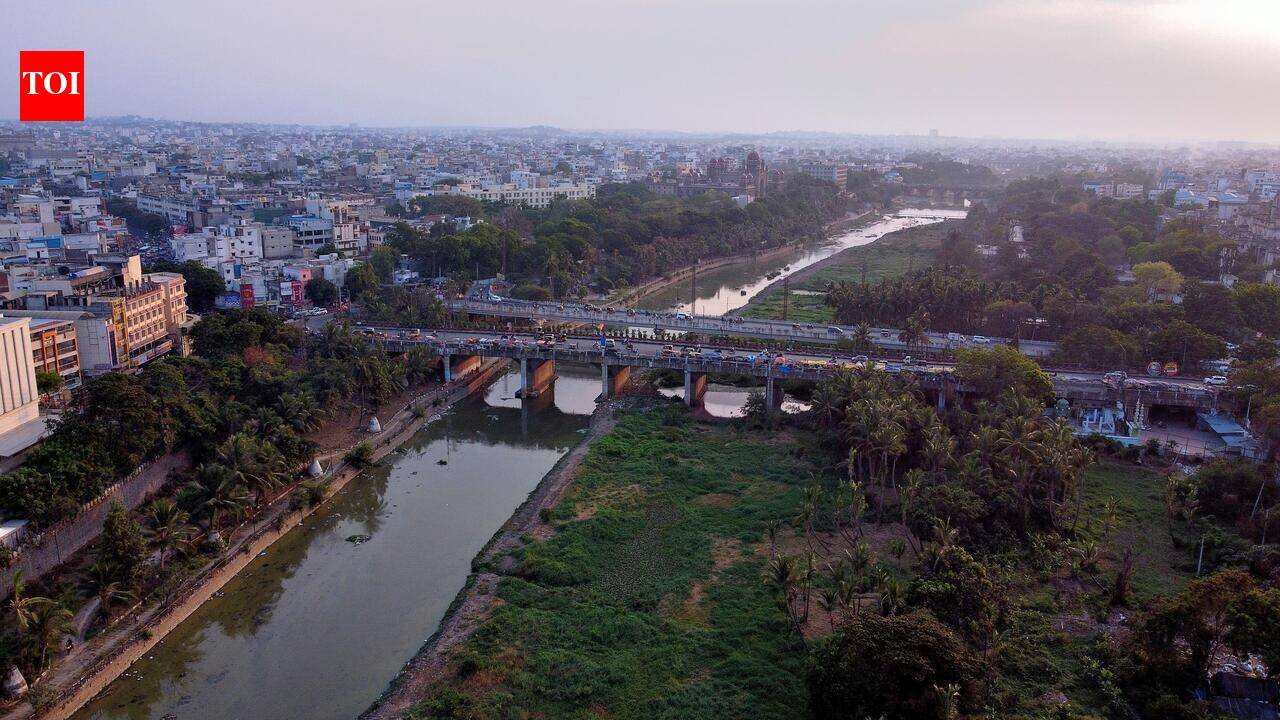
Hyderabad: A citizens’ group opposing the Musi riverfront development project has urged the State-Level Expert Appraisal Committee (SEAC) to reject environmental clearance for phase 1A and phase 1B, alleging that the project has drifted away from ecological restoration and become heavily focused on road and infrastructure development while overlooking key environmental and social concerns.In a representation submitted to the SEAC, Musi Jan Andolan (MJA) claimed that the project’s scope had undergone substantial changes between the grant of the fresh terms of reference (TOR) and the submission of the Environmental Impact Assessment (EIA) report.According to MJA, the area earmarked for roads increased from 17.85 hectares at the TOR stage to 64.37 hectares in the EIA report, accounting for nearly one-third of the project area. It also alleged that the proposed green space was reduced from 109.41 hectares to 55.65 hectares.The organisation further claimed that ₹1,836.42 crore, or 36.07% of the project cost, has been allocated for roads and bridges, while the EIA does not provide a detailed breakup of expenditure on engineering works such as toe walls, revetments and retaining walls, estimated at ₹1,887.39 crore.MJA also questioned the project’s displacement estimates. It said the common application form submitted by the Musi Riverfront Development Corporation Limited for the fresh TOR stated that 12,204 families would be displaced and 15,255 affected. However, the EIA report mentions only about 639 permanent and temporary structures, without explaining the discrepancy, it alleged.The group further contended that the EIA failed to comply with several TOR conditions, including groundwater monitoring at the prescribed number of locations and assessment of pharmaceutical pollutants in the river system.Reiterating its objections, MJA said the project was exempted from a Social Impact Assessment, leaving the effects on displaced families and livelihoods unaddressed. It argued that the Musi’s revival should focus on improving sewerage and stormwater infrastructure without disrupting the river’s natural ecosystem or displacing long-standing settlements and urged the SEAC to reject the proposal.It also questioned the project’s employment projections, stating that an estimated 400 long-term jobs in a project valued at about ₹7,000 crore would not offset the impact of displacement affecting thousands of families.


