



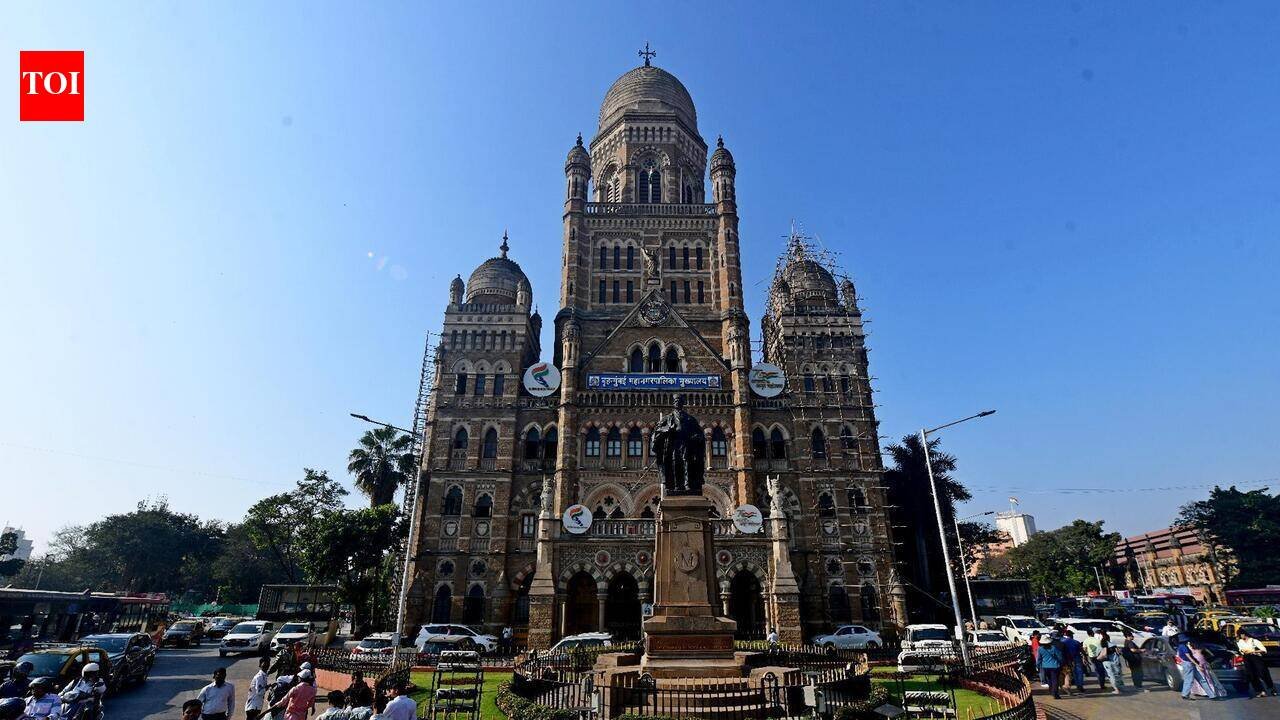
Mumbai: Citizens’ complaints to the BMC have surged by nearly 60% over the past decade, with pollution-related grievances registering a major 531% increase, even as the civic body’s complaint redressal mechanism has become significantly faster, according to Praja Foundation’s latest assessment of Mumbai’s civic services.The report, titled ‘Status of Civic Services, Environmental and Climate Issues in Mumbai 2026’, released on Tuesday in collaboration with the BMC, found that civic complaints increased from 81,555 in 2016 to over 1.3 lakh in 2025. Besides pollution, complaints related to solid waste management rose by 281%, while those concerning water supply and storm-water drainage increased by 96% and 88%, respectively.The report attributes the rise partly to growing public awareness and increased use of digital grievance platforms, but states that it also reflects persistent shortcomings in the civic service delivery.Despite the surge in complaints, the BMC has become quicker at resolving them. The average complaint resolution time dropped from 48 days in 2021 to 30 days in 2025, while the complaint closure rate improved from 86% in 2023 to 92% in 2025. In the solid waste management department, the average resolution time fell sharply from 40 days to just eight days during the same period.The report, however, says the city’s environmental performance continues to lag behind. Mumbai still sends around 6,300 metric tonnes of waste to landfills every day, despite its waste reduction goals. Decentralised waste processing remains weak, with only 347 of the city’s 2,749 bulk-waste generator housing societies — just 13% — processing waste at source. The remaining 87% are non-compliant.The report also notes that despite applying for a three-star Garbage-Free City certification under Swachh Survekshan 2024-25, Mumbai failed to secure even a one-star rating. It achieved only 40% of the benchmark for door-to-door waste collection, 31% for source segregation, 62% for wet waste processing, and just 16% for legacy dumpsite remediation.Environmental indicators remain equally worrying. The report found Mithi River’s average Biological Oxygen Demand (BOD) at 17 mg/litre, nearly six times the prescribed limit of below 3 mg/litre. Faecal coliform levels stood at 9,200 MPN per 100 ml against the permissible limit of below 100 MPN, indicating severe sewage contamination.Praja Foundation also flagged gaps in Mumbai’s climate governance, citing inadequate monitoring of climate action indicators, poor compliance of several sewage treatment plants with pollution norms, and the absence of annual public reporting on climate targets. It recommended integrating climate indicators into the BMC’s statutory Environment Status Report to improve transparency and accountability. “The next stage of Mumbai’s development requires credible evidence in the hands of citizens, elected representatives, and administrators so that decisions are guided by facts rather than assumptions,” said Nitai Mehta, founder of Praja Foundation.The report assumes significance as Mumbai has an elected municipal corporation again after nearly four years of administrator rule. Praja Foundation said the return of elected corporators presents an opportunity to strengthen accountability and improve citizen-centric governance. “Civic participation should not end with voting. It should continue through reporting local issues, engaging with ward representatives and using public data to hold institutions accountable,” said Milind Mhaske, CEO, Praja Foundation.Key Findings of the Praja Foundation Report* Citizen complaints up 59%: 81,555 in 2016 ➜ 1,30,066 in 2025* Biggest rise in complaints: Pollution: 531%; Solid Waste Management: 281%, Water Supply: 96%, Storm Water Drainage: 88%* BMC’s average complaint resolution time: 48 days in 2021 ➜ 30 days 2025* Complaint closure rate: 86% in 2023 ➜ 92% in 2025* Average resolution time in SWM complaints: 40 days in 2023 ➜ 8 days in 2025* Waste management concerns: 6,300 MT of waste still sent to landfills daily; only 13% of bulk-waste generator housing societies process waste at source, 87% remain non-compliant* Garbage-free City: Despite applying for a 3-Star certification, Mumbai failed to secure even a 1-Star rating* Mithi River remains polluted: BOD: 17 mg/litre (Norm: <3 mg/litre); Faecal coliform: 9,200 MPN/100 ml (Norm: <100 MPN/100 ml)* Climate governance gaps: Poor monitoring of climate targets; several STPs fail pollution norms; no annual public reporting on climate goals(Source: Praja Foundation – Status of Civic Services, Environmental and Climate Issues in Mumbai 2026)


