






Does your Mumbai flat not have an Occupation Certificate (OC)? Here’s what homeowners should know

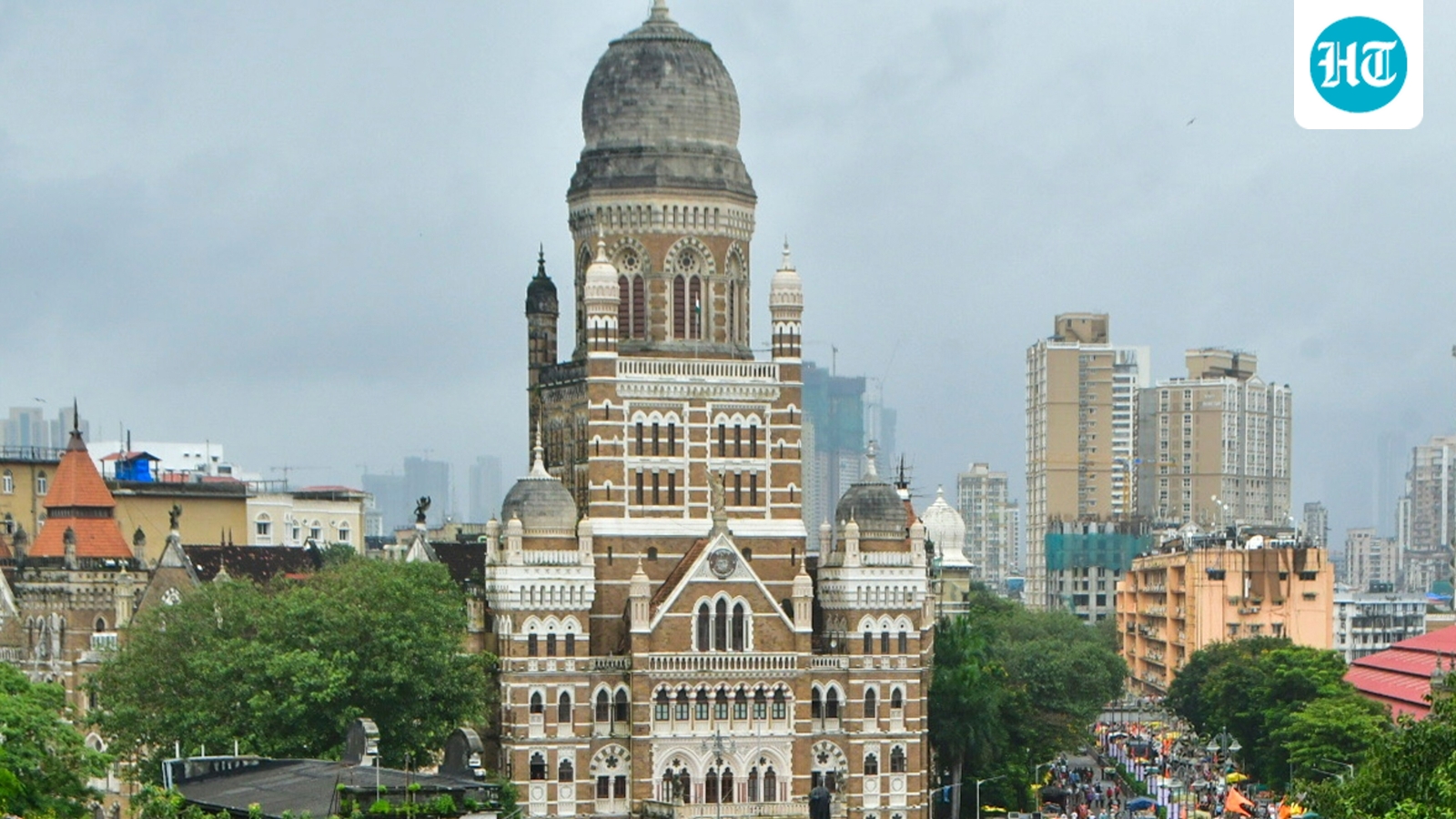
The Mumbai civic body, Brihanmumbai Municipal Corporation (BMC), is set to implement an amnesty scheme to help eligible housing societies obtain long-pending Occupation Certificates (OCs). The scheme received final approval from the BMC House on August 18, and civic officials are expected to begin its implementation in the coming days.
What is BMC’s amnesty scheme for OCs?
The proposed amnesty scheme aims to provide relief to thousands of housing societies in Mumbai that lack a valid Occupation Certificate (OC). Under the BMC proposal, eligible housing societies can obtain an OC by paying prescribed charges, with the amount determined by factors such as the building’s type and size and the nature and extent of approvals or violations.
The scheme is expected to benefit thousands of housing societies across Mumbai. Currently, around 12 lakh homeowners living in nearly 25,000 residential buildings in the city lack an OC.
Here are five things homeowners living in housing societies without an OC should know:
1) Cut off date
The first important condition is the cut-off date. The proposed scheme will apply only to buildings occupied before November 17, 2016. Housing societies will have to provide documents such as property tax receipts or electricity bills to establish that the building was occupied before the cut-off date.
2) The building must have an IOD and CC
Under the proposed amnesty scheme, only buildings with a valid Intimation of Disapproval (IOD) and a Commencement Certificate (CC) will be eligible to apply.
3) Apartments above 861 sq ft are not eligible for an OC
The approved proposal limits the size of residential units eligible for the scheme. Residential units with an area of more than 80 sq metres (around 861 sq ft) will not be eligible for benefits under the proposed amnesty scheme. The BMC has proposed that an OC may be granted either for the entire building or in part, subject to the eligibility conditions.
4) Can non-residential buildings apply for an OC?
Under the BMC’s draft amnesty scheme, predominantly residential buildings will be eligible to apply for an Occupation Certificate (OC). The proposal also covers hospitals and schools.
Commercial units within predominantly residential buildings may also be granted an OC, but such units will not be eligible for financial benefits under the scheme. To qualify, a building must have more than 50% of its units designated for residential use.
5) NOC from the developer
According to the BMC, a No Objection Certificate (NOC) from the original construction applicant or the holder of development rights will be required. This could include the property owner or developer. If the NOC is not submitted, the BMC may issue a notice to the developer, owner or original applicant.
Also Read: Delhi Master Plan 2047: 40 lakh homes planned, focus on affordable housing and vertical growth
The civic body has clarified that the proposed amnesty scheme is only for obtaining an Occupation Certificate (OC) and cannot be used to regularise illegal construction or other violations in a housing society.


