



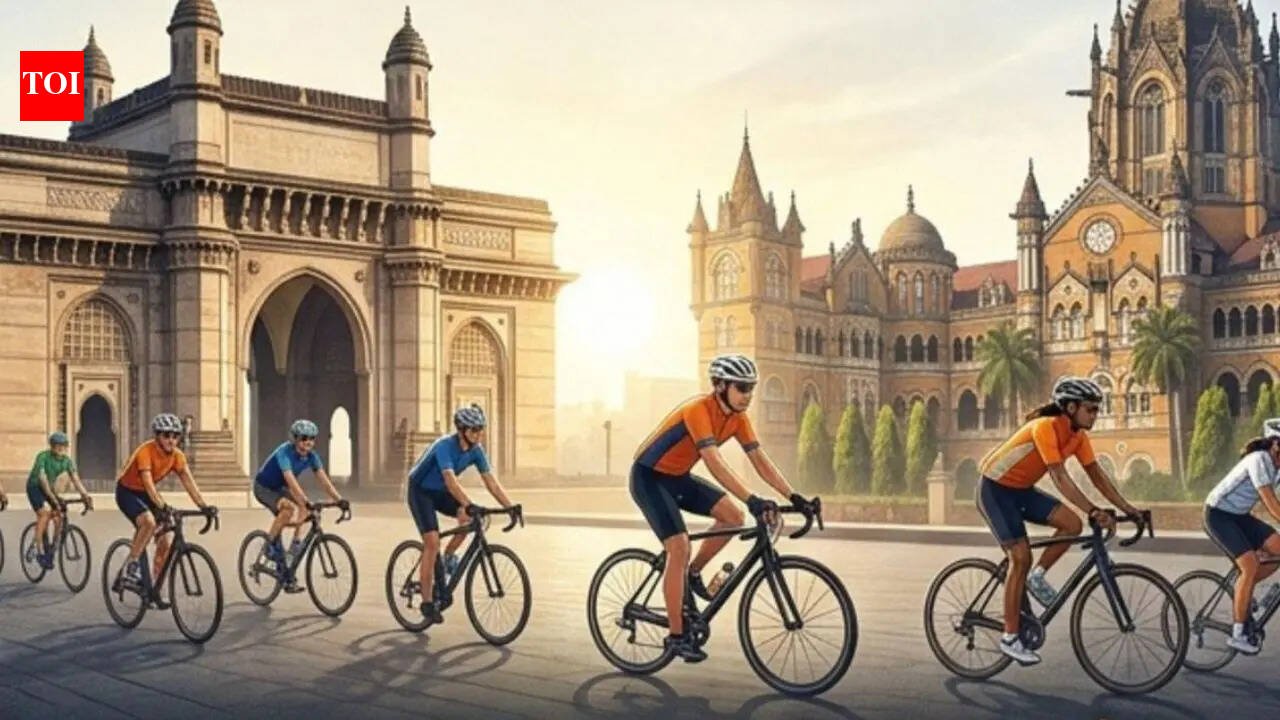
MUMBAI: The city will host the Netherlands-Europe-India Urban Mobility Conference on April 16 and 17 at the Bal Gandharva Rang Mandir, Bandra bringing together policymakers, industry leaders, urban practitioners and international experts from Europe and India to deliberate on sustainable transport solutions.The invite-only summit, is being organised with support from the Netherlands Enterprise Agency and EIT Urban Mobility, and aims to accelerate partnerships and enable the adoption of sustainable mobility solutions, with a particular focus on active mobility such as cycling and walking.The initiative has been spearheaded by international mobility expert Geert Kloppenburg and cycling advocate Vijay Malhotra, with support from YES Securities. It is envisioned as a bottom-up platform to foster long-term collaboration between stakeholders across government, private sector and academia.With cities grappling with congestion, air pollution, road safety concerns and inefficient transport systems, the conference seeks to bridge European expertise with the realities of rapidly growing Indian cities, translating global knowledge into local, scalable solutions.Highlighting the growing cooperation, Marisa Gerards, Ambassador of the Kingdom of the Netherlands to India, Nepal and Bhutan, said the event marks a significant step in strengthening ties on sustainable urban mobility, particularly in areas such as cycling infrastructure, walkability and integrated transport planning.“The Netherlands and India share a long-standing partnership across sectors. There is a growing alignment in advancing sustainable urban mobility, and this conference represents an important step in deepening collaboration,” she said.A key feature of the summit will be curated film screenings showcasing global best practices in urban mobility and logistics. A documentary on Dutch cycling culture is also on the agenda, offering insights into long-term planning and policy frameworks, while underscoring the gaps that cities like Mumbai need to address.Malhotra said the objective is to trigger a shift in how cities approach mobility. “With rising noise, air pollution and vehicular stress, cycling can no longer remain a fringe activity,” he said.


