





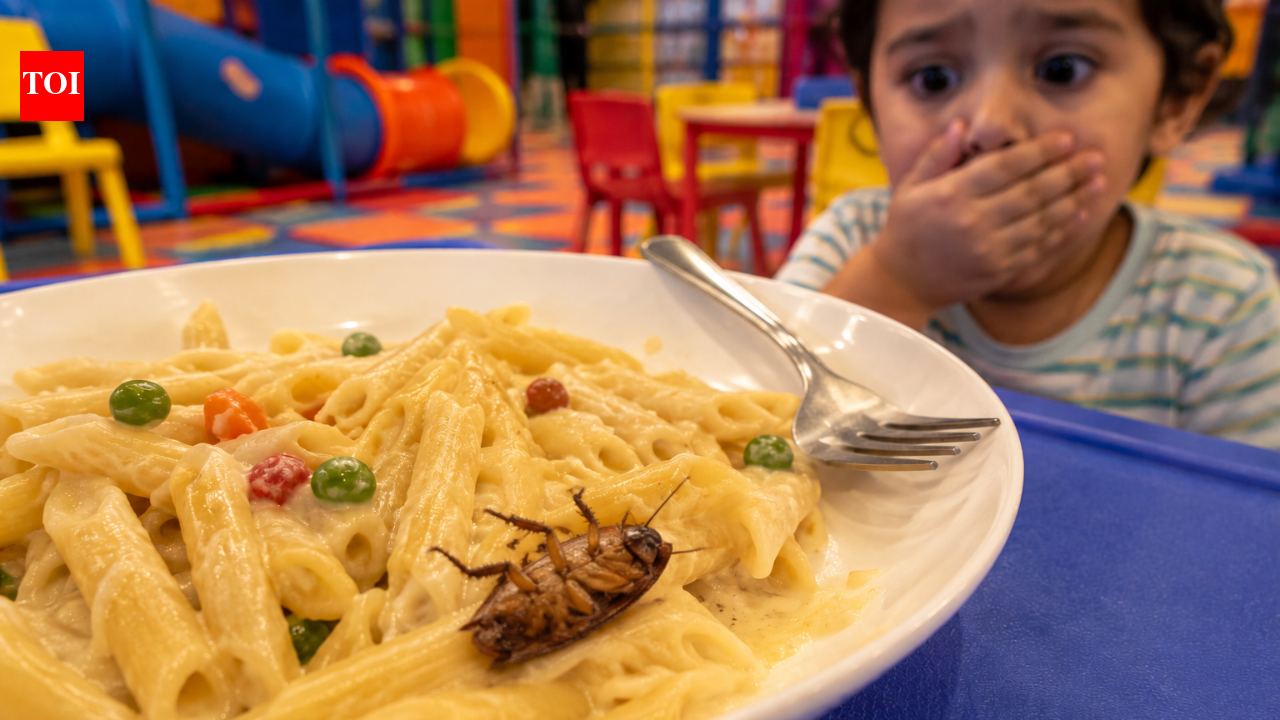
No parent expects lunchtime with their child to turn into a lesson on food safety. But that is exactly what happened after a parent took to X to share photos and videos alleging that a cockroach was found in a plate of pasta served at a children’s indoor play centre in Mumbai’s Lower Parel. What was supposed to be a fun day turned out to be a disturbing discovery.The post quickly gained attention online, with many social media users expressing concern and discussing hygiene standards at family-friendly eateries.
28 Jul 2026 | 16:22
How do you teach children about money and financial responsibility?
Meanwhile, it has also become an opportunity for parents to initiate an important conversation with children- Food safety. Children don’t understand food safety instantly. They can gradually learn simple habits that help them recognize when something isn’t right and feel confident enough to speak up.
How common are food borne diseases
Unsafe food is not just an inconvenience, in fact, it’s a major global health challenge. According to the World Health Organization (WHO) data, an estimated 866 million – almost 1 in 9 people in the world – fall ill after eating contaminated food and 1.52 million die every year.Children are at a bigger threat here, and the reason is biological. Young children’s immune systems are still developing, making it harder for them to fight infections caused by bacteria, viruses and parasites. They also lose fluids much faster than adults during vomiting or diarrhoea, increasing the risk of dehydration.
Why parents should teach children “food literacy”
When we hear the term “literacy,” we often think of reading and writing. Increasingly, nutrition and public health experts are using another phrase: food literacy. It is the knowledge, skills and behaviors that help people make safe,healthy and informed food choices.Children don’t become food literate overnight. It begins with simple conversations at home. Instead of repeatedly asking children to finish their food, parents can ask them whether they think that the food is fresh or why do we wash fruits before eating them?
Teach children to trust their instincts and speak up
Many children hesitate to speak up even when they notice something unusual in their food. However, parents can change this. They must reassure children that if they notice something odd in their food or the food smells unusual one should stop eating and inform a trusted adult. This isn’t about encouraging suspicion. It’s about teaching children that speaking up is responsible, not rude.
Image: Canva
The bigger parenting lesson
The Mumbai parent’s social media post has understandably raised questions about hygiene and accountability. Those questions are important, and food businesses have a responsibility to maintain rigorous safety standards. But for parents, the incident offers another reminder. Teaching children about food safety doesn’t mean making them fearful of eating out. It means helping them understand simple habits that protect their health- washing hands, recognising when food may not be safe, knowing that invisible germs exist, and feeling confident enough to tell an adult if something seems wrong.


