



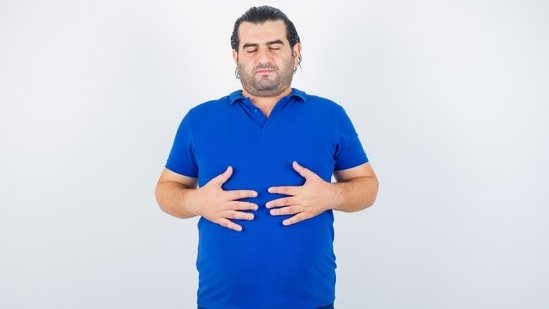
Modern lifestyles have paved the way for a silent crisis within the digestive tract. From the speed at which we chew to the timing of our final meal, doctors warn that common daily routines are fundamentally altering our internal biology. Also read | Gurugram gastroenterologist answers Indians’ 10 burning questions on bloating, ghee, rajma, chai, acidity and more
In an interview with HT Lifestyle, Dr Hozefa Runderawala, consultant gastroenterologist at Saifee Hospital, Mumbai, highlighted the growing disconnect between modern living and biological needs.
The battle of the microbiota
The foundation of gut health lies in a delicate internal ecosystem – and according to Dr Runderawala, maintaining the ‘good’ versus ‘bad’ bacteria balance is critical for overall survival. He said, “There are trillions of bacteria in the human gut… collectively referred to as the gut microbiota. These bacteria are vital for digestion, immunity, metabolism and health.”
He added, “When people do not eat a balanced diet, it can throw this balance out of whack, a condition called dysbiosis in which the good bacteria are outnumbered by bad bacteria.”
The danger of ‘fast food’
It’s not just what you eat, but how you eat it. Dr Runderawala identified ‘eating too quickly‘ as one of the most prevalent unhealthy habits today, leading to a condition known as aerophagia: “People who eat too quickly may swallow too much air with their food… This trapped air may contribute to abdominal discomfort, bloating and excessive belching. Some people tend to feel full after eating little food, since the stomach fills with air they swallow, not from the food itself.”
The late-night snacking trap
The digestive system operates on a natural clock that is easily disrupted by midnight trips to the pantry. Dr Runderawala noted that ‘food digests best when consumed at the same time’ and warns against the habit of lying down immediately after a meal: “Eating extremely late at night or lying down right after eating can disrupt the normal function of the stomach and intestines.”
The consequences? “This can make digestion more difficult, cause acidity, bloating, heaviness and reflux,” he said. The solution? “Staying upright for two hours after eating to help digestion,” he added.
Irregular fasting and caffeine overload
While intermittent fasting is becoming a popular trend, Dr Runderawala cautioned that irregular eating patterns can interfere with the body’s natural ‘rhythmic pattern’. “The intestines and colon have a rhythmic pattern all day long and irregular eating interferes with this rhythm,” he explained, adding, “Food intervals can affect gut motility and healthy gut bacteria, potentially leading to gut discomfort and irregular bowel movements.”
The ‘leaky gut’ connection
Caffeine, while beneficial in small doses, can become a gut irritant when consumed in excess. “Ingesting more than [moderate amounts] regularly can make the gut more permeable, also known as ‘leaky gut’… This can cause diarrhoea, gurgling in the abdomen, bloating and abdominal discomfort,” Dr Runderawala shared.
Despite the complexities of the digestive system, the path to recovery is straightforward, as Dr Runderawala maintained that ‘diet rules are simple but very important’.
To restore gut health, the doctor recommended a return to foundational habits:
⦿ Eat at regular times to support natural rhythms.
⦿ Take time to chew your food to avoid swallowing air.
⦿ Avoid late-night meals to prevent acid reflux.
⦿ Limit caffeine intake to protect the gut lining.
“Our lifestyle and eating habits have dramatically altered; people are unaware of how their daily activities can impact gut health,” Dr Runderawala concluded, highlighting that by refining these daily choices, patients can avoid a ‘variety of uncomfortable digestive issues.
Note to readers: This article is for informational purposes only and not a substitute for professional medical advice. Always seek the advice of your doctor with any questions about a medical condition.


