



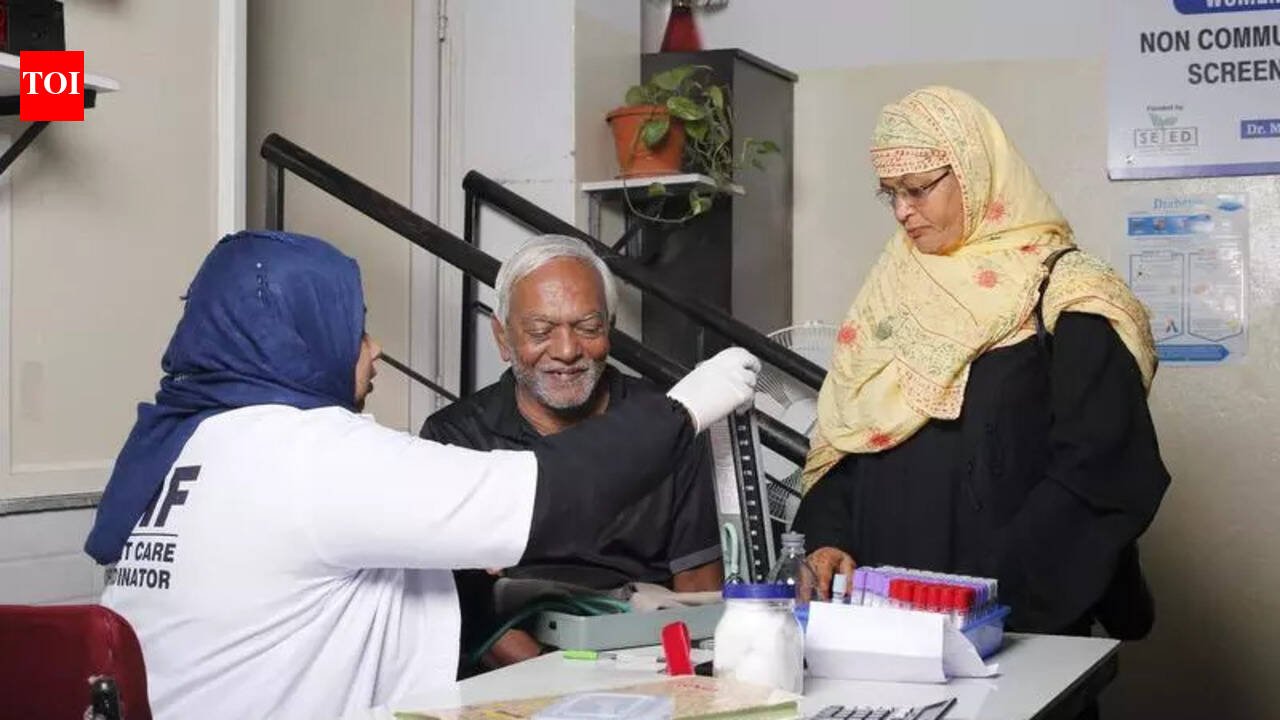
doneHyderabad: This Ramzan, many mosques in Hyderabad have redefined their priorities, striking a balance between spirituality and everyday affairs. At the top of the agenda was raising awareness about the impending special intensive revision (SIR) of the voters’ list, and the documents required to ensure one’s inclusion in the electoral rolls. Some mosques hosted coaching classes for school and college students, preparing them for annual and competitive examinations, while others focused on youth empowerment and skill development. A few even provided interest-free gold loans through mutually aided cooperative credit societies.The movement began around five years ago, with a few mosques in the city looking beyond spirituality and religious rituals by opening their vacant spaces for clinics, gyms, and hospitals equipped with laboratories and mini operation theatres. They also played a key role during vaccination drives in parts of old Hyderabad, particularly when many parents resisted having their children immunised against infectious diseases. Soon, more mosques joined the initiative, with some opening libraries for students, launching coaching centres for competitive examinations, and quite a few others organising interfaith dialogues to foster communal harmony and national integration.This Ramzan, however, witnessed an even greater number of mosques taking up social service activities. The Royal Mosque in the Public Gardens opened counters to help voters locate their names in the 2002 SIR list, which serves as the base for the impending SIR 2026 in Telangana and Andhra Pradesh. Masjid-e-Azizia in Humayunagar held special sessions to raise awareness about the documents required for SIR 2026 if one’s or their parents’ names are missing from the SIR 2002 list. Masjid-e-Baqi in Banjara Hills has set up a mutually aided cooperative credit society to grant interest-free gold loans. Another half-dozen mosques are also running similar cooperative credit societies.“A mosque plays a significant role among Muslims. It is not just a place for religious congregations and prayers. In the early Islamic period, mosques played an important role in social, cultural, and educational awareness. In modern times, they have become largely religious spaces. But of late, mosques are increasingly hosting secular activities to create awareness among the poorer sections of the principal minority community here,” said Zakir Hussain, educationist and former member of the Salarjung Museum Board. He added that many mosques are fostering dialogue, promoting communal understanding, and supporting community welfare.Community leaders such as Syed Mohsin Ali, Raza Mohammed, Syed Munawwar Hussain, Khaleel, and Abdul Samad have gone a step further by introducing sessions to raise awareness about civic responsibility among Muslim youth. The Chowk-ki-Masjid runs a large library catering to the needs of students and research scholars. “Recently, deputy chief minister Mallu Bhatti Vikramarka sanctioned financial assistance of 2.28 crore for the renovation of the mosque. We have also set up a reading room,” said Munawar Hussain.Mohammed Abdul Lateef, who is involved in educational and cultural activities, said mosques are now playing a larger social role, with some even conducting classes for NEET and EAMCET aspirants. Mouzam Hussain of MS Education Academy added that a few mosques are also providing guidance and support for candidates appearing for civil services examinations. Regular lectures are conducted by prominent doctors on health and medical care.The Salarjung Colony Mosque at Toli Chowki conducted electoral awareness programmes, encouraging voter registration. Dr Maulana Hafiz Abdul Rahman Al Hamoomi has been managing alternative dispute resolution mechanisms under the legal services authority at the Royal Mosque in the Public Gardens.


