



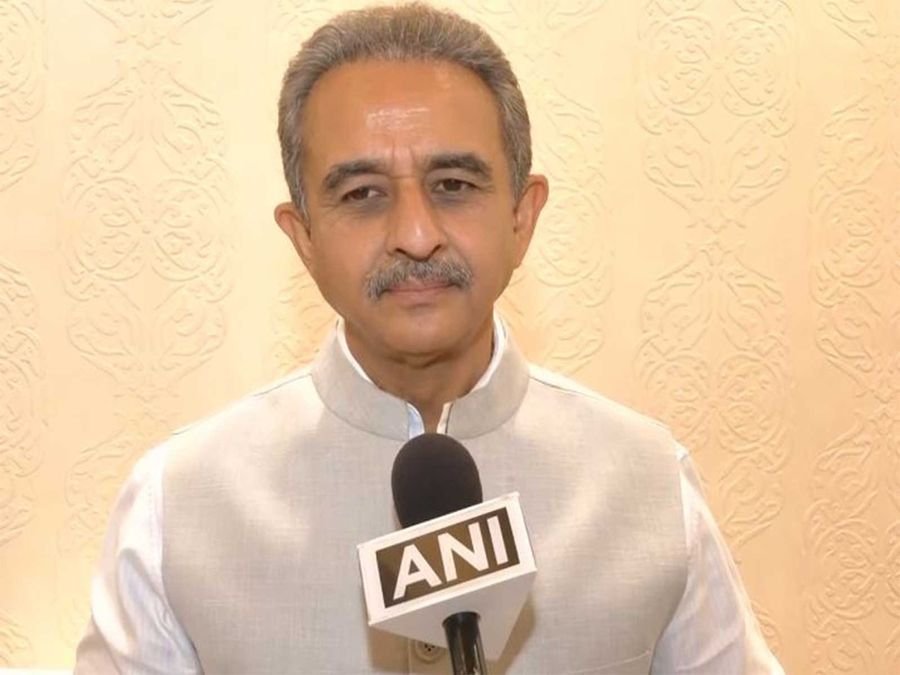
Lucknow , September 19 : Union Minister of State for External Affairs Kirti Vardhan Singh on Saturday stressed that India will pursue an independent foreign policy and take decisions based on the country’s interests, while responding to US President Donald Trump’s signing of the “Lindsey O. Graham Sanctioning Russia and Iran Act of 2026” into law.
Speaking to ANI, Singh said India’s priority remains the country’s people and that the government will take steps necessary to ensure their convenience, as well as the strength and stability of the country.
“The priority of the country of India and our government is our people, our people of 140 crores. We will take every step which is necessary for the convenience of our people. We will take every strong step for the strength and stability of our country, our population of 140 crores. We have our own independent foreign policy. We will not follow any country based on what our country is doing. We will do whatever is good for our country,” Singh said.
The remarks came after Trump signed the “Lindsey O. Graham Sanctioning Russia and Iran Act of 2026” into law on Friday, expanding statutory sanctions, tariffs and prohibitions targeting Russia and extending existing sanctions on Iran.
The legislation gives the US President authority to impose tariffs of up to 100 per cent on goods from countries that meet specified criteria linked to purchases of Russian crude oil or natural gas and sanctions evasion. However, the measure does not automatically impose a 100 per cent tariff on any specific country.
Addressing the issue of tariffs, Singh said India considers the duties being imposed to be unfair and maintained that New Delhi is not acting under pressure from any country.
“We always say that these tariffs that are being imposed are very unfair. And we are not under the pressure of any country. Energy is a very primary concern of ours. And wherever we find commercially viable, economical energy sources for our country and our people, we will take energy from there,” Singh said.
The new US legislation also targets Russian officials, financial institutions, defence-related networks and the country’s so-called “shadow fleet” of vessels used to transport energy while circumventing Western restrictions. It further extends the Iran Sanctions Act for five years.
The bill passed the US Senate by 86-11 in August before clearing the House of Representatives by 262-159 earlier this week. It was named after the late Republican Senator Lindsey Graham, who was a leading supporter of the legislation.
A key provision of the law allows the US President to impose targeted duties of up to 100 per cent on the five largest importers of Russian crude oil or natural gas, as well as countries facilitating Russian oil sanctions evasion.
The legislation has particular significance for India and China, which remain among the major buyers of Russian crude. It creates a statutory pathway for potential tariffs on imports from countries that continue specified purchases of Russian energy.
The law also provides the President with waiver authority under specified conditions, including certification to Congress that a waiver is in the national interest.
Supporters of the measure have said it is intended to increase economic pressure on Moscow and reduce revenues supporting Russia’s war in Ukraine.
The legislation has also drawn criticism from some US lawmakers over the broad tariff powers granted to the President and concerns about their potential economic consequences. (ANI)
