



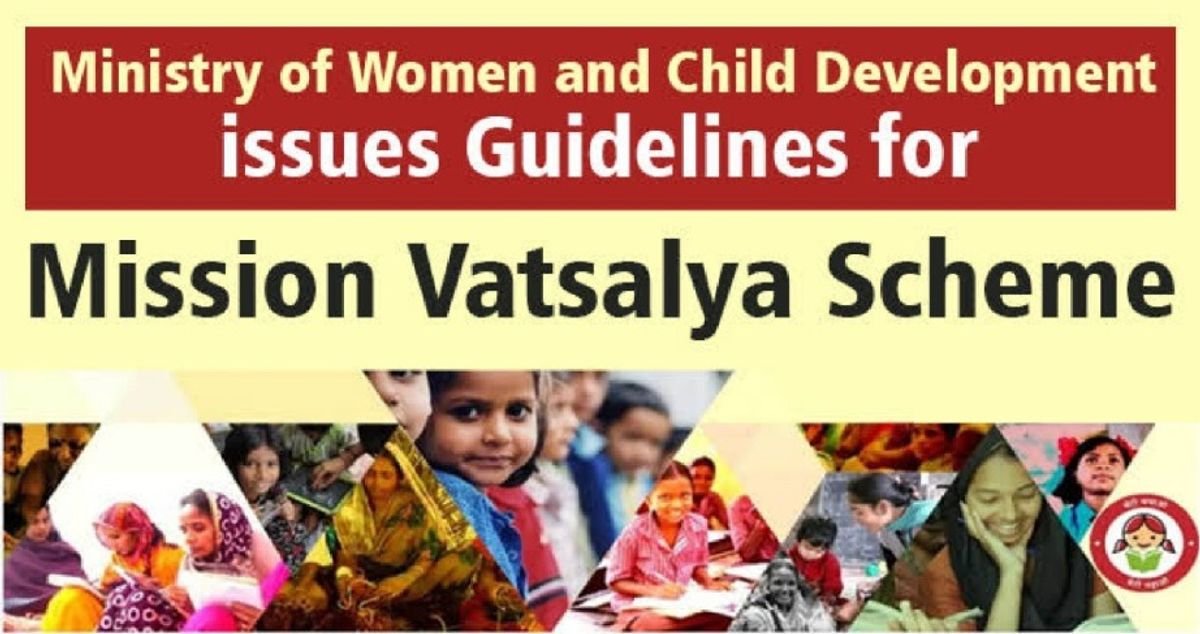
Srinagar: Jammu and Kashmir supported 6,962 children under the Centre’s Mission Vatsalya during 2025-26, with 1,870 children receiving institutional care and 5,092 benefiting from non-institutional care, according to data shared by the Union Ministry of Women and Child Development.
The information was provided by Minister of State for Women and Child Development, Savitri Thakur, in Rajya sabha
The Ministry also informed that 338 Anganwadi Centres in Jammu and Kashmir have been approved for upgradation into Saksham Anganwadis during the 15th Finance Commission period. Of these, 86 centres were sanctioned in 2022-23, 50 in 2023-24, and 202 in 2024-25.
In Ladakh, 14 Anganwadi Centres have been approved for upgradation under the same programme. The Union Territory supported 578 children under Mission Vatsalya during 2025-26, including 96 children under institutional care and 482 under non-institutional care.
According to the Ministry, the 5,092 children covered under non-institutional care in Jammu and Kashmir received support through sponsorship, foster care and after-care services, while 1,870 children were provided institutional care through Child Care Institutions (CCIs).
The Ministry of Women and Child Development is the nodal agency responsible for implementing the Juvenile Justice (Care and Protection of Children) Act, 2015, which serves as the primary legal framework for ensuring the safety, security, dignity and well-being of children across the country.
Under the Act, statutory child protection mechanisms have been established at the State and district levels, including State Child Protection Societies, Child Welfare Committees, Juvenile Justice Boards (JJBs), District Child Protection Units, and Child Care Institutions.
Mission Vatsalya, a Centrally Sponsored Scheme implemented across all States and Union Territories on a cost-sharing basis between the Centre and State governments, aims to provide comprehensive support to children in difficult circumstances through both institutional and family-based care.
The Ministry said Child Care Institutions supported under the scheme provide age-appropriate education, healthcare, counselling, recreation and vocational training. Non-institutional services include sponsorship, foster care and after-care assistance to facilitate children’s rehabilitation and integration into society.
The scheme also provides 24×7 emergency outreach services through Child Helpline 1098, which has been integrated with the Emergency Response Support System (ERSS-112) of the Ministry of Home Affairs to ensure timely assistance to children in distress.


