






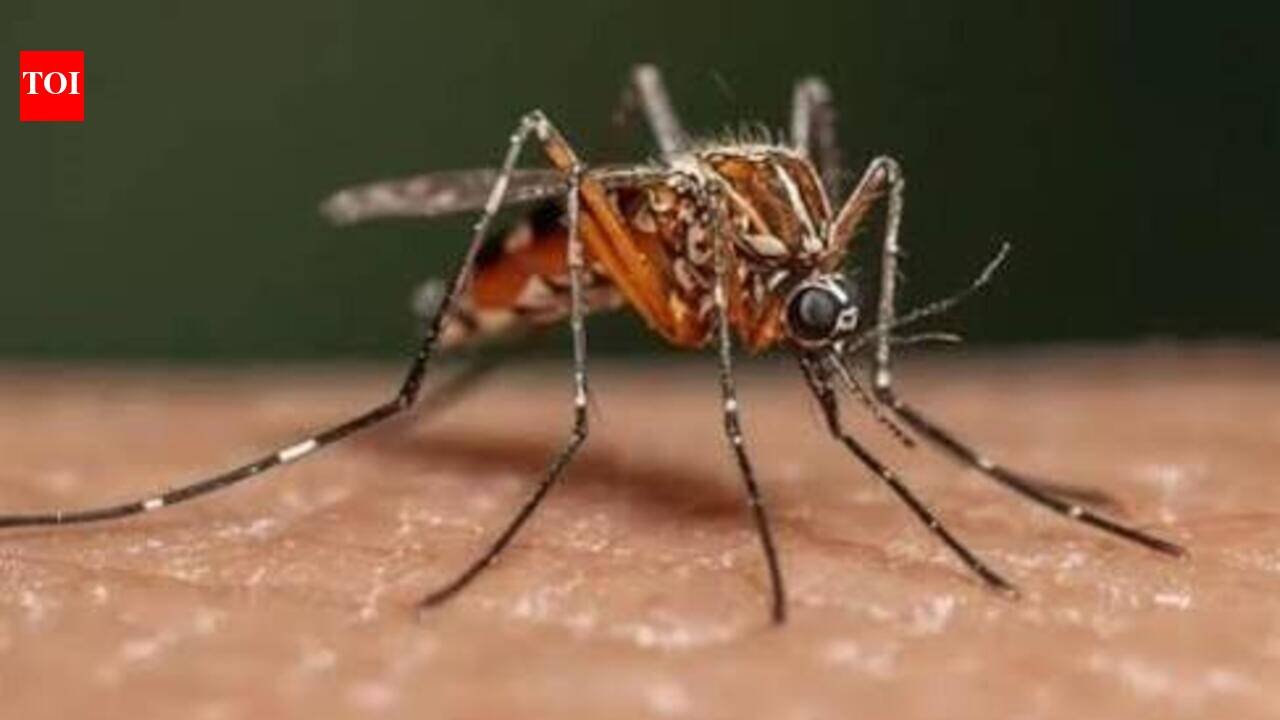
Thiruvananthapuram: Health minister K Muraleedharan has urged the public to remain vigilant against dengue, chikungunya and zika as intermittent rains increase the possibility of stagnant water and mosquito breeding.He said comprehensive preventive measures were essential to contain the spread of vector-borne diseases and urged the public to follow the health department’s guidelines.High fever, severe headache, body ache, skin rashes, vomiting and abdominal pain are among the symptoms of dengue. Those developing symptoms should seek medical attention immediately and avoid self-medication. Doctors have advised patients to take adequate rest and drink plenty of fluids.The minister said Aedes mosquitoes were likely to breed rapidly during intermittent rainfall. He called for “dry days” to be observed on Fridays at educational institutions, Saturdays at workplaces and Sundays at homes by eliminating potential mosquito-breeding sources.People should ensure that water doesn’t stagnate in refrigerator trays, containers kept under flower pots, vessels for growing ornamental plants in water and unused toilets.Discarded containers, coconut shells, bottles, tyres, grinding stones, mortars, toilets and washbasins shouldn’t be left exposed to rainwater. Terraces, sunshades and roof gutters should also be free of stagnant water. Tanks and water storage containers should be properly covered, he said.He advised people to take precautions against mosquito bites while carrying out source elimination activities. Wearing light-coloured clothes covering the body, applying mosquito repellents and using mosquito nets while sleeping were among the recommended measures.Muraleedharan said there would be no disruption in the supply of medicines to patients at govt hospitals. He said pharmaceutical companies were asked to expedite supplies and instructions were issued to heads of all govt institutions to procure medicines locally through the Karunya scheme if any particular medicine was in short supply.“There won’t be a situation where patients are denied medicines,” he said.He attributed the current shortage of some medicines to delays in placing purchase orders due to the elections and the impact of the war in the Middle East. Kerala Medical Services Corporation Ltd (KMSCL) normally completes its procurement procedures in April and places purchase orders by May. However, purchase orders couldn’t be issued in April due to the election model code of conduct. The process was completed only after the new govt assumed office, he said.Meanwhile, several companies that had secured tenders withdrew, citing difficulties in supplying medicines due to the Middle East conflict. Of the 855 medicines on the essential medicines list, purchase orders have been placed for 664 items, while 530 medicines have reached the state, said Muraleedharan. Most remaining medicines are expected to arrive by Sept-end, he added.Fresh tenders have been invited for the remaining 191 items and the procurement process is at various stages.


