Srinagar, Mar 18: Tucked away in the rugged hills of Boniyar tehsil in north Kashmir’s Baramulla district, the remote village of Dudran, popularly known as the ‘Milk Village’, offers a glimpse into a centuries-old way of life where nature itself serves as a refrigerator.
Located around 14 kilometres from Boniyar, the journey to Dudran winds through dense forests, gushing streams and pristine mountain slopes, transporting visitors into a landscape seemingly untouched by modernity. Amid this scenic setting, nearly 70 to 80 families continue to rely on an indigenous system of milk preservation using traditional structures, which is locally called Dadore.
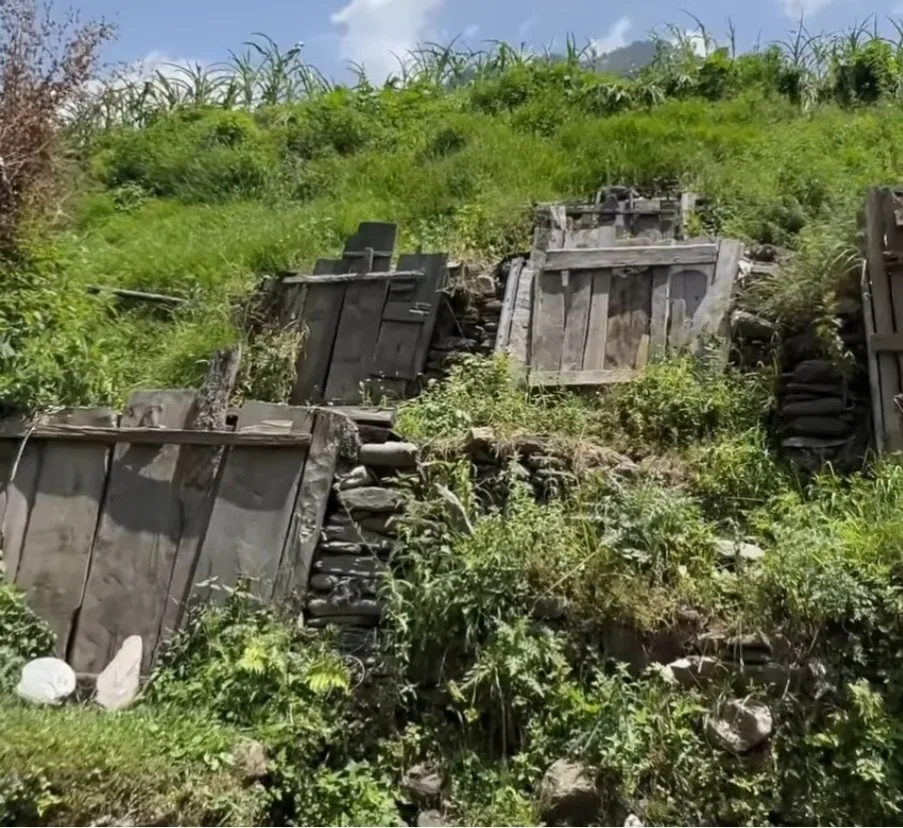
These small, cave-like wooden and stone structures are built strategically near natural cold springs. The continuous flow of icy water and cool air within these enclosures helps maintain low temperatures, allowing villagers to store fresh milk for several days without electricity.
The houses in Dudran, constructed from locally available stone, wood and mud, blend seamlessly into the surrounding environment, reflecting a sustainable lifestyle deeply rooted in nature. The Dadore, with their wooden roofs and stone walls, are further secured with wooden planks to protect stored dairy products from animals.
“This is the way our ancestors lived, and we are proud to continue it,” said village sarpanch Abdul Razzaq Sheikh. “The Dadore are not just structures, they are part of our identity. Without spending a single rupee on electricity, we can preserve milk and earn our livelihood.”
Locals say the system is not only cost-effective but also environmentally sustainable, especially in a region where electricity supply can be erratic.
Nadeem Sheikh, a resident of the village, explained how the process works. “We collect fresh milk and store it in Dadore for a few days. The natural cold keeps it fresh. Later, we convert it into curd, butter and traditional cheese. This method has been passed down through generations,” he said.
The practice, villagers say, is a perfect example of climate-resilient living, offering lessons in sustainable resource use at a time when modern refrigeration dominates elsewhere.
Qayoom Mir, another local, highlighted the economic importance of the tradition. “Our entire village depends on dairy farming. These natural refrigerators help us avoid losses and make the best use of our produce. Even in peak summers, the milk remains fresh,” he said.
After being stored in the Dadores, the milk is traditionally curdled and processed into various dairy products, ensuring nothing goes to waste. Despite the availability of modern alternatives, the villagers continue to rely on this age-old practice, valuing its efficiency and zero-cost nature.
Surrounded by lush greenery, crystal-clear springs and the quiet rhythm of rural life, Dudran stands as a living example of how traditional knowledge and natural resources can work in harmony, offering a sustainable model that remains relevant even in today’s fast-changing world.