






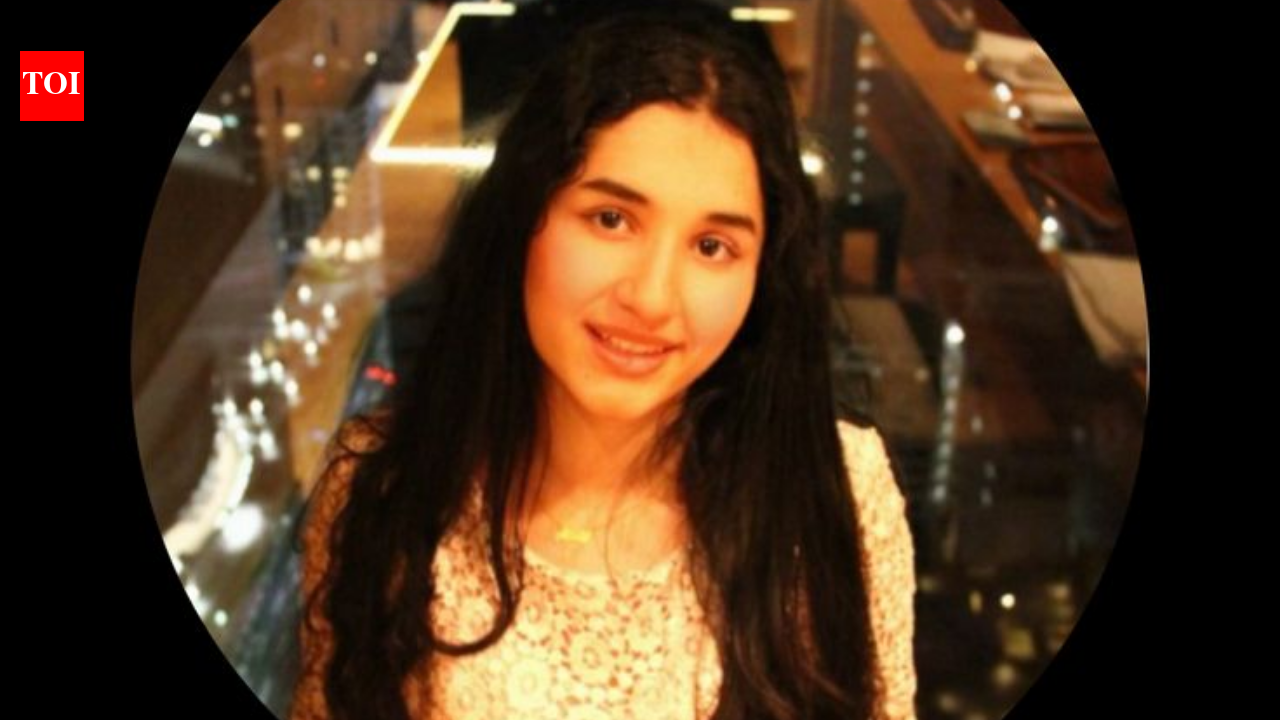
Born in Japan, and raised in Nepal during her early childhood, Aditi Paudel had always shown an affinity towards reading. Her earliest memory of reading is of her grandfather handing her a newspaper filled with intricate Devanagari script when she was still in preschool. But to the surprise of those around her, she was still able to make sense of the text. Over the years, she has only improved and the now 17-year-old high school senior in Tokyo was recently appointed as Japan’s first literacy ambassador, as per a report by The Japan Times.The World Literacy Foundation, a global nonprofit headquartered in Australia is running a program where around 900 young people between the ages of 16 and 25 from 101 countries are participating. While the program has been running for 12 years, this is the first time an ambassador from Japan has been appointed, according to Andrew Kay, CEO and founder of the World Literacy Foundation.The aim of the program is to connect young people around the world and get them “involved and waving the flag for literacy in their community,” Kay said, noting that Paudel was singled out “for her leadership, passion for literacy, and commitment to empowering young people in Japan.” “Her curiosity about English shaped thoughtful advocacy, strengthening the program’s global voice and cultural reach,” he added.Paudel returned to Japan to enter the third grade and along with settling into a new life, she found herself having to learn Japanese once more, which meant turning to the books. Her love for reading came pretty early in her life, nurtured by her father who bought her plenty of books. She developed an early taste for fantasy, and recalled falling in love with Enid Blyton’s “The Wishing-Chair.”Reading Malala Yousafzai‘s autobiography, ‘I Am Malala’, helped her develop significant interests in female empowerment, including ensuring that women across the world have access to education and literacy. Along with working with children with disabilities, she plans to work with the Shanti Volunteer Association to collect and donate books to Asian countries with lower rates of literacy, including Nepal.With enough experience developing her own reading skills, Paudel said that a common view of literacy is how well a person can read or write, but she sees it in broader terms. Essentially, it’s “something that helps you open doors for more opportunities,” she noted.Paudel has experienced the impact of her access to private education firsthand and how it has set her life on a different course. “My parents grew up in a completely opposite environment. They did not have a childhood like this,” she said. “Being literate is so important because even though you have the potential, you can never unlock it if you do not have literacy.”But even those with easy access to books are reading less than they once did. Around half of elementary, junior high and high school age children in Japan do not read books, according to a recent study by Benesse Educational Research & Development Institute and the University of Tokyo.Fewer young people are reading for pleasure and enjoyment, said Kay, and that could cause a significant regressive effect. “As far as embedding themselves in a novel or reading something that really takes a little bit more effort, that is becoming a rarer thing,” he said. Kay also cautions against the impact of artificial intelligence, noting that the latest tech tools provide quick answers, allowing people to skip the process of researching, reading and wrestling with theories and thoughts oneself.“It’s turning our clock back 150 years … where most people couldn’t read or would have limited ability to read,” he said of the absence of reading books as a mainstream pursuit. Those trends only add importance to initiatives like the World Literacy Foundation’s ambassador program.As a teenager, Paudel understands growing up in a world full of distractions, where much of life is on and from social media. “You will always be more inclined to go for your phone rather than a book,” she said, and because of this, making reading a habit is critical. Her advice for developing a love of reading isn’t about ticking classics off a book list, but finding something that resonates, and that, ideally, can broaden the reader’s perspective.


