



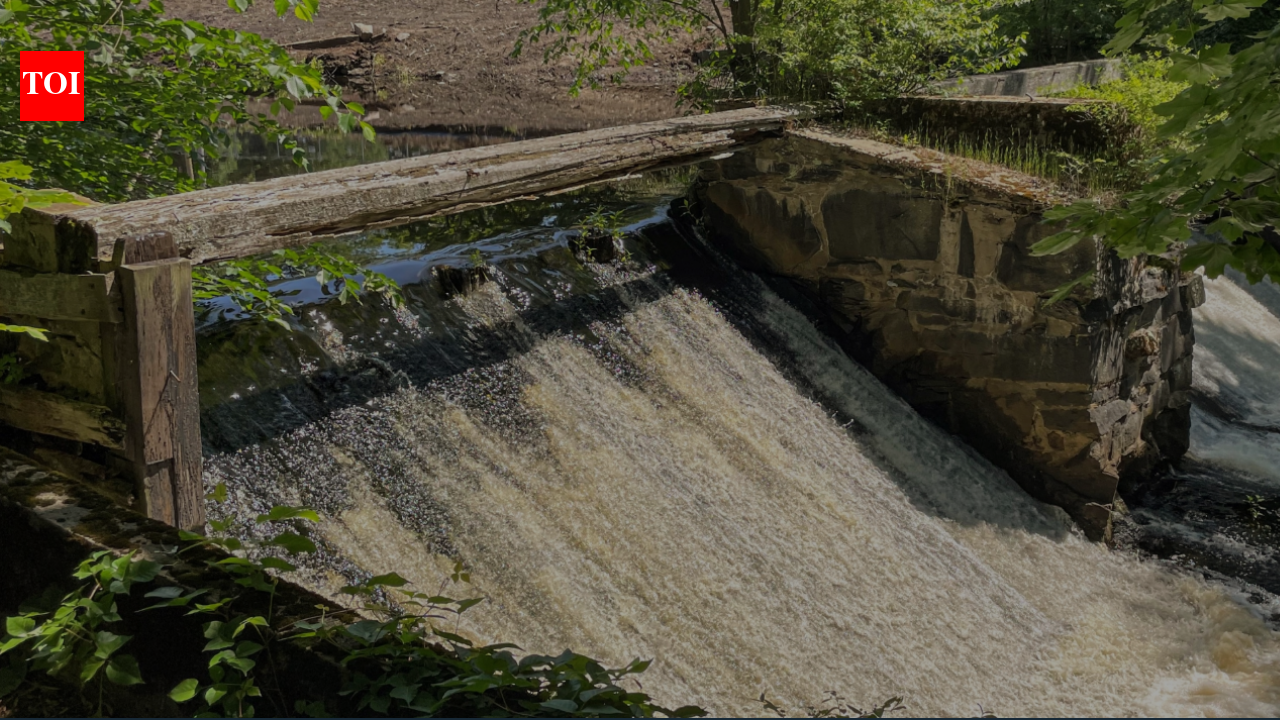
Demolition crews in Bridgewater, Massachusetts, have completed the removal of the High Street Dam, taking down a 12.5-foot-high and 80-foot-wide concrete barrier that had blocked the Town River for more than a century. The removal has reopened 10 miles (16 kilometres) of continuous river channel and restored access to 354 acres of important spawning and rearing habitat at Lake Nippenicket for migratory fish. Official information from the US Fish and Wildlife Service (USFWS) confirms that the dam was the lowest barrier preventing migratory fish from moving inland from Narragansett Bay into the 40-mile National Wild and Scenic Taunton River system.
Dam removal clears major obstacle on Town River
The old dam stood along the Town River tributary in Plymouth County and had badly deteriorated after decades without use. Engineers and environmental experts considered the structure a serious public safety risk as well as a major barrier to fish movement. The dam also disrupted the natural movement of sediment, changed water flow and increased flood risks in the surrounding area. Its removal allows the river to return to a more natural flow. Species such as alewife, blueback herring, American eel, sea lamprey and American shad can now move freely through the river corridor. Alewife are especially dependent on quiet headwater areas such as Lake Nippenicket, where they return each spring to spawn. Records from the Taunton River Stewardship Council show that the dam had broken the river’s natural connection since it was built in the 19th century. Its removal is part of a wider effort to restore rivers and improve natural water flow across southeastern Massachusetts.
Federal funding supports river restoration
The $1.55 million project received major funding through the federal Bipartisan Infrastructure Law and the USFWS National Fish Passage Program. The programme supports projects that remove unnecessary barriers, improve flood protection and restore damaged rivers and freshwater habitats. The project also received state funding from the Massachusetts Executive Office of Energy and Environmental Affairs’ Dam and Seawall Repair or Removal Fund and the Municipal Vulnerability Preparedness Program. The Massachusetts Department of Fish and Game’s Division of Ecological Restoration led the project, working with the Division of Marine Fisheries and conservation group The Nature Conservancy. The USFWS recorded the final stage of the demolition in an official project update with the words: “Going, going — gone.” Chris Hirsch, Dam Removal Program Manager for the Massachusetts Division of Ecological Restoration, said removing old dams across the state can restore river habitats while also removing dangerous structures from communities. Technical plans prepared by SLR International Corporation show that taking out the concrete spillway restores the river’s natural slope and allows water to move at a more natural speed instead of being held back upstream.
New bridge designed for major floods
The dam removal was planned alongside the replacement of the High Street Bridge, located just upstream from the former dam. The existing stone arch bridge was built in 1790 and is one of the oldest standing municipal bridges in Massachusetts. However, its narrow opening created a bottleneck during heavy rain, causing water to back up into nearby roads and residential areas. The replacement will be a modern 55-foot clear-span bridge designed to allow much more water to pass underneath. SLR International Corporation designed the new bridge to handle 500-year storm events and account for projected increases in runoff caused by climate change through 2070. The wider opening beneath the bridge is expected to reduce flood risks for local roads while also allowing fish and other aquatic species to move freely along the river.
Earlier Mill River project offers hope for recovery
The High Street project follows earlier restoration work in the same Taunton River watershed. On the nearby Mill River in Taunton, environmental agencies removed three old dams, Whittenton Mill Pond, Hopewell Mills and West Britannia, and built a fishway at Lake Sabbatia. Monitoring by the Massachusetts Division of Marine Fisheries found strong biological recovery after the Mill River work. The project restored 30 miles of river and reopened 560 acres of habitat. River herring numbers also increased significantly within only a few spawning seasons. Scientists expect a similar response on the Town River as migrating herring follow the river’s natural flow towards Lake Nippenicket. The Taunton River remains the longest undammed coastal river in New England. Removing barriers from its tributaries therefore helps reconnect a much larger coastal watershed and gives migratory fish access to areas that were previously cut off.
New access at Stanley Ironworks Park
The project is also expected to improve public access and safety around the river. The former dam site is next to Stanley Ironworks Park, a historic industrial area in Bridgewater. During the restoration work, crews stabilised the exposed riverbanks using natural methods. Crumbling concrete structures were replaced with native plants, gravel and natural rock to protect the banks from erosion. A new public canoe launch was also installed at Stanley Ironworks Park. Kayakers, canoeists and other recreational users can now enter the Town River and travel through the area where the dam once stood. Taylor DelVecchio, Associate Water Resources Engineer at SLR International Corporation, said combining dam removal with improved public access and a stronger bridge provides a more sustainable approach to managing local waterways. Instead of spending money to maintain old structures that no longer serve an industrial purpose, communities can remove them, restore natural river systems and improve protection against flooding. The High Street project ended with the planting of native vegetation along the riverbanks to help prevent erosion. With the work complete, the Town River is once again flowing freely through an area that had been blocked for more than 100 years.


