






The culvert once drained waste water from King James VI Hospital, which was built around 1749-1750 and was converted into flats in the 1970s.
The drain was discovered during the dig in a grassy open space at the former hospital.
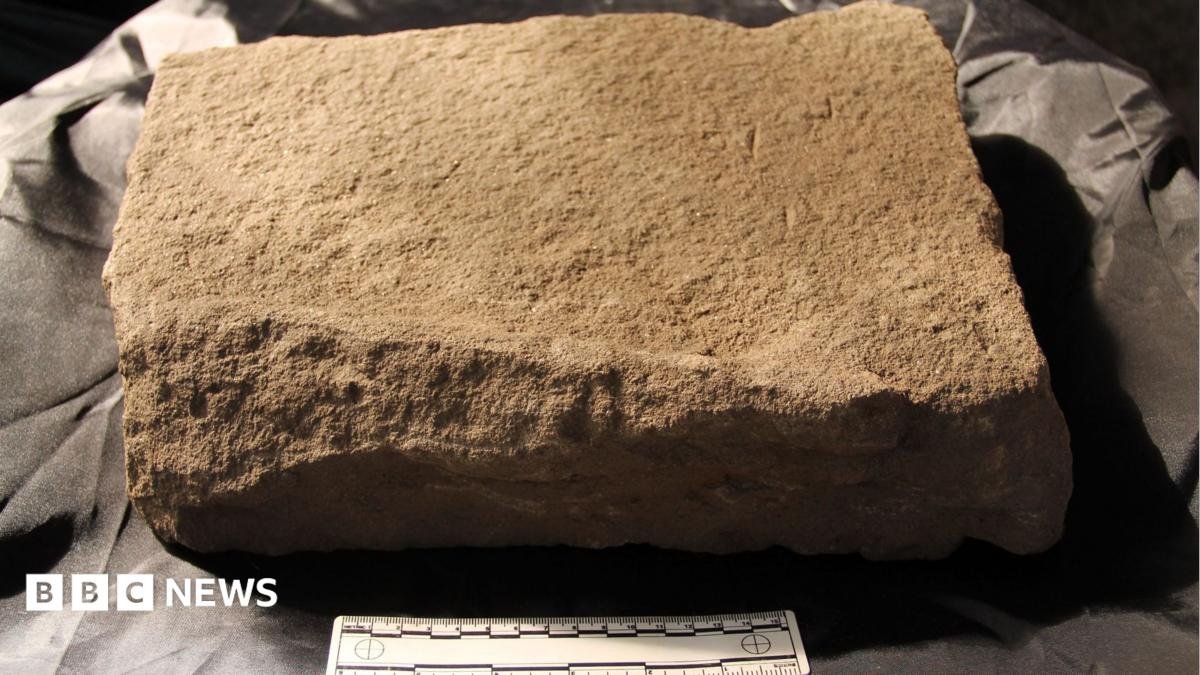
Covering the top of the drain were flat stones, which are believed to be medieval masonry.
Archaeologist Dr Gavin Lindsay told BBC Scotland News: “You can see clear chisel marks from when they had been worked very carefully to create these beautiful smooth sides.
“They are clearly far more elaborate, and far more effort had gone into their production, than you would do for a drain in the 1700s.”
The selection of masonry also include stone floor slabs.
Dr Lindsay said a stone mason who visited the dig suggested the slabs’ smooth surfaces were the result of people walking on them over many years.
“Possibly by many monks’ feet, and to push it a bit further, maybe King James’s feet had been across it,” said the archaeologist.


